
Wedding Photographer in Tuscany on 35mm Film and Digital
Tuscany is extremely generous to photographers. Sometimes a little too generous. Put two people in love beside a cypress tree at sunset, add an old stone villa somewhere in the distance, and half the work appears to have been done for you. The real challenge for a Tuscany wedding photographer, at least as I see it, is not to make Tuscany look beautiful. Tuscany has been managing that perfectly well without us for a few centuries. The challenge is to make the photographs belong unmistakably to the people who were actually there.
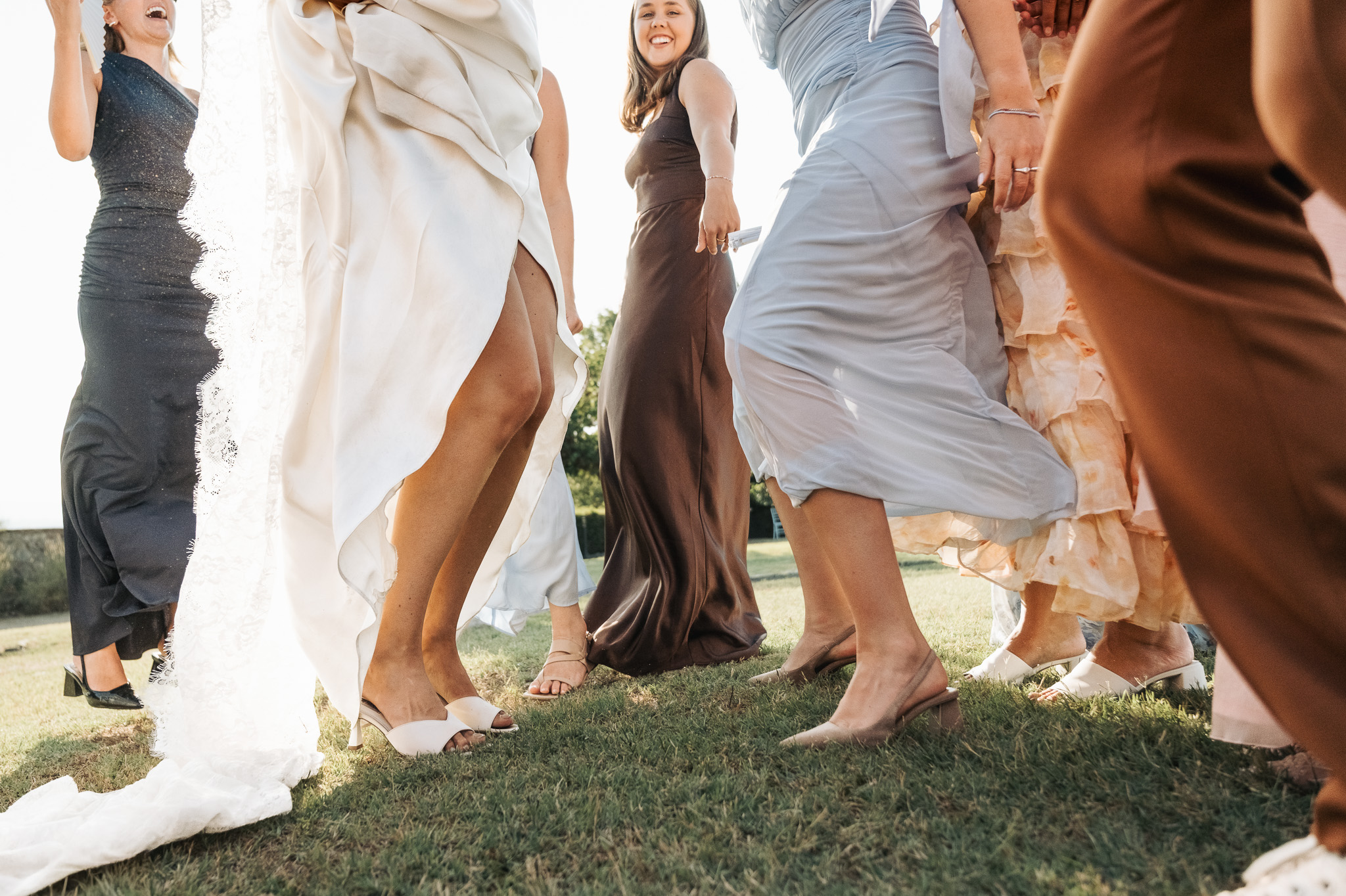
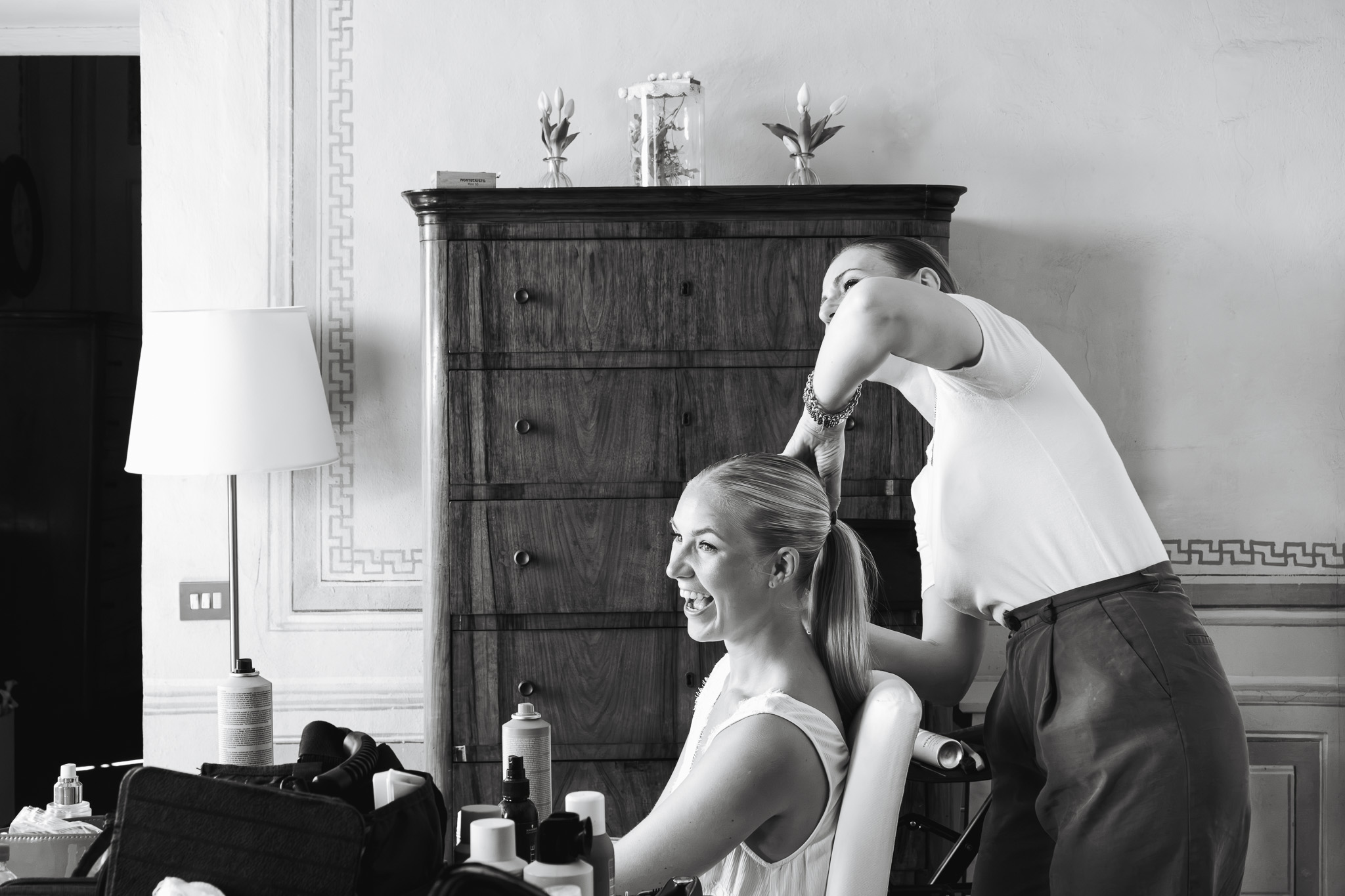
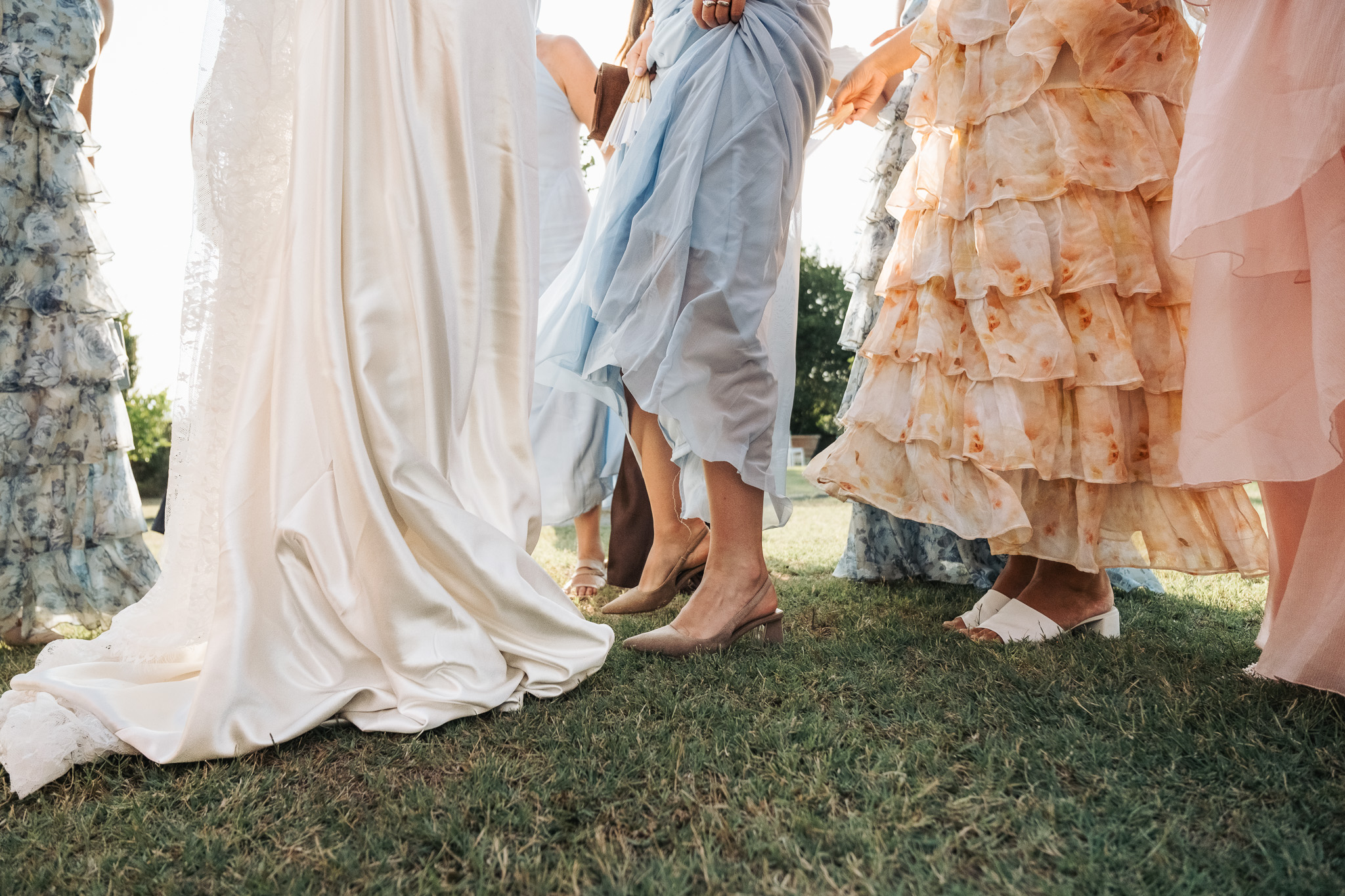
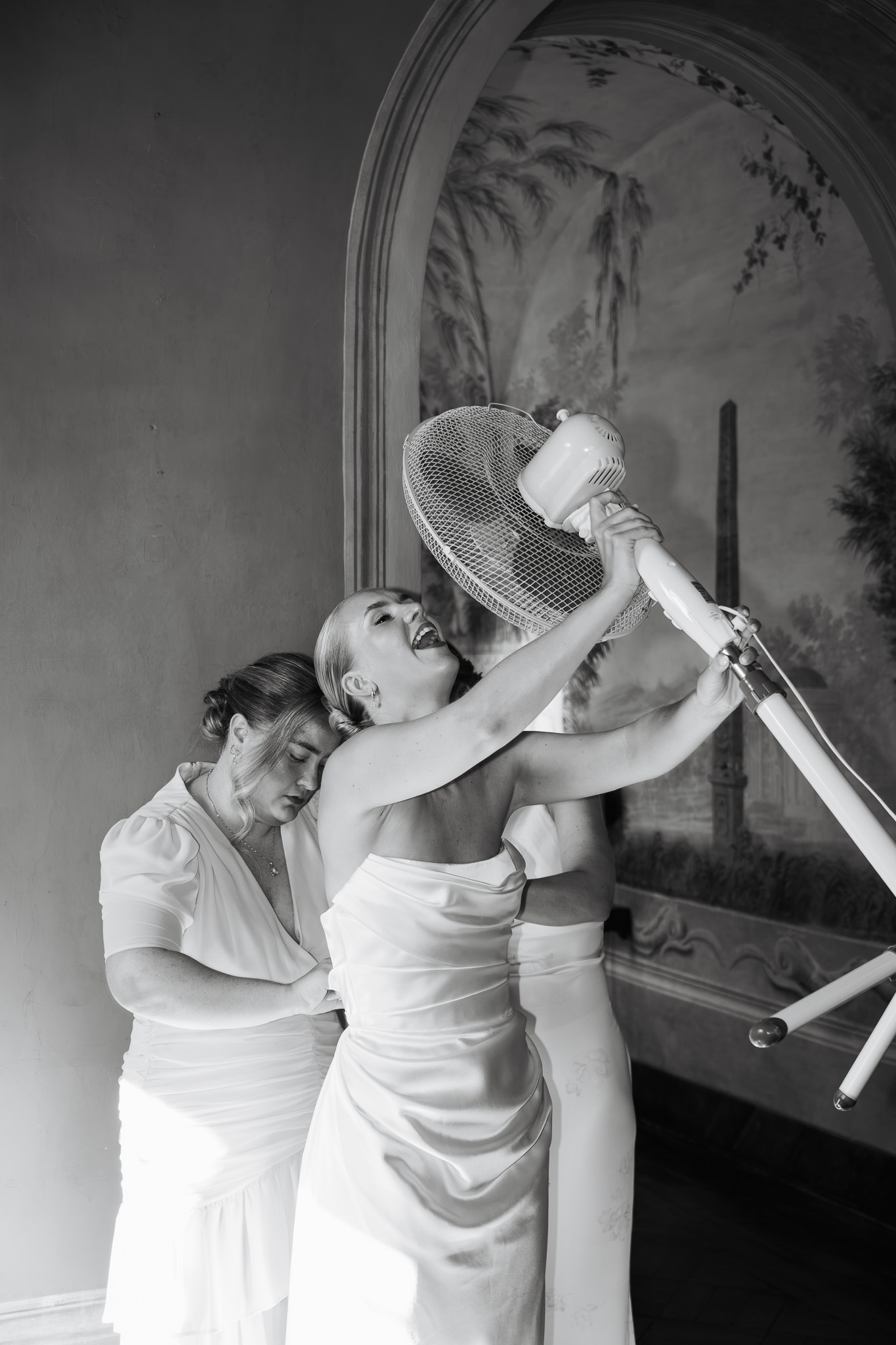
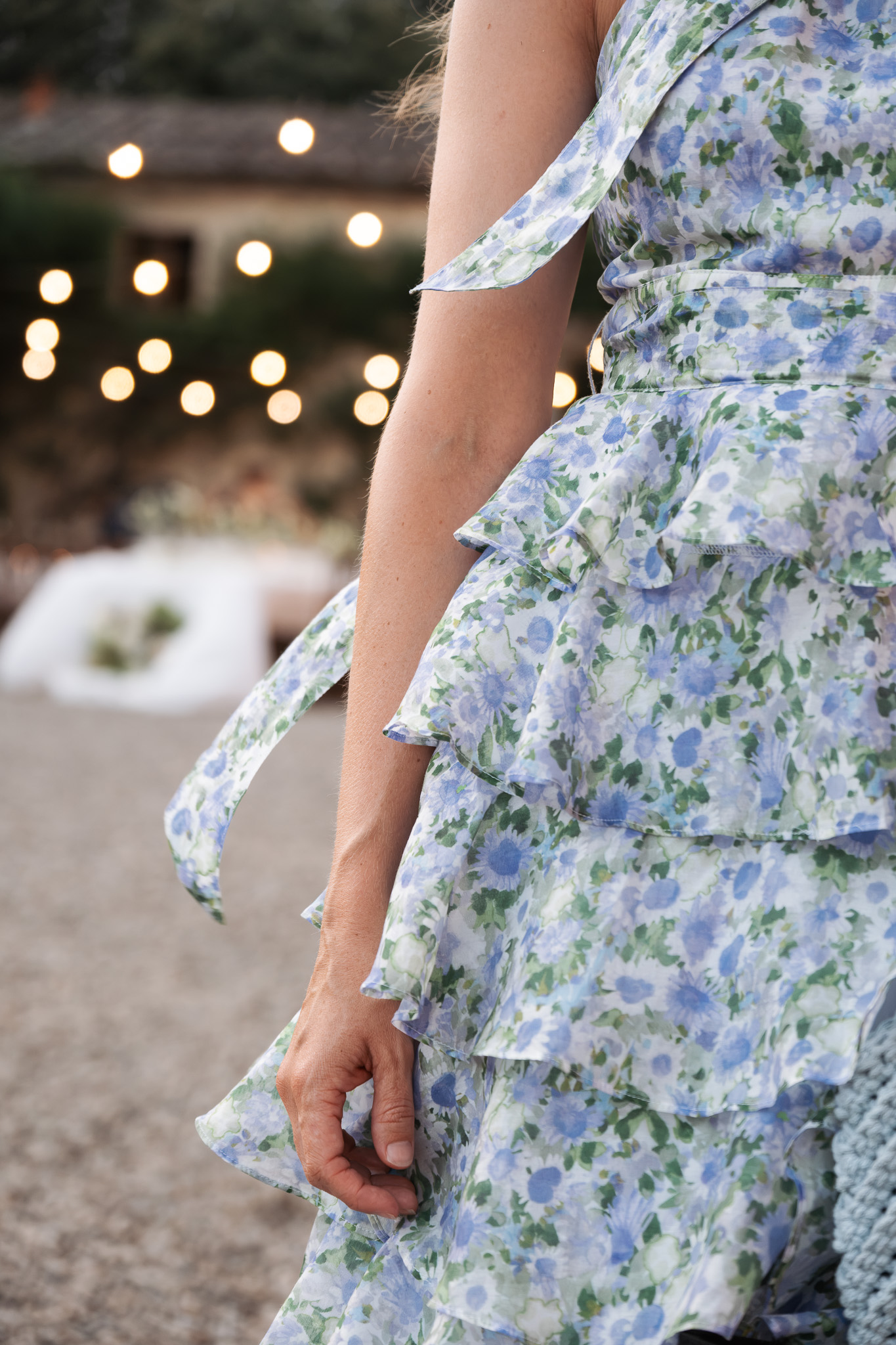
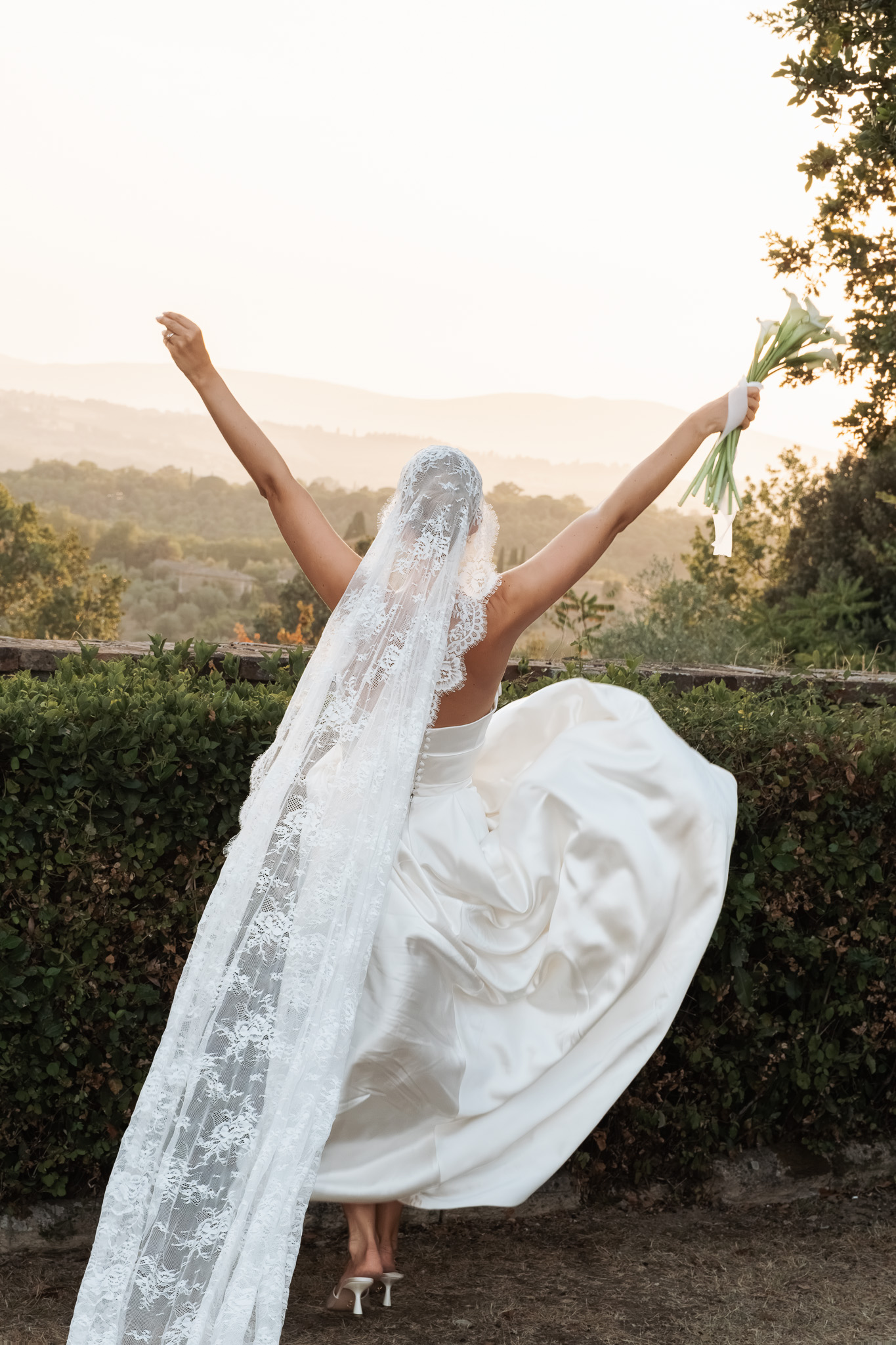
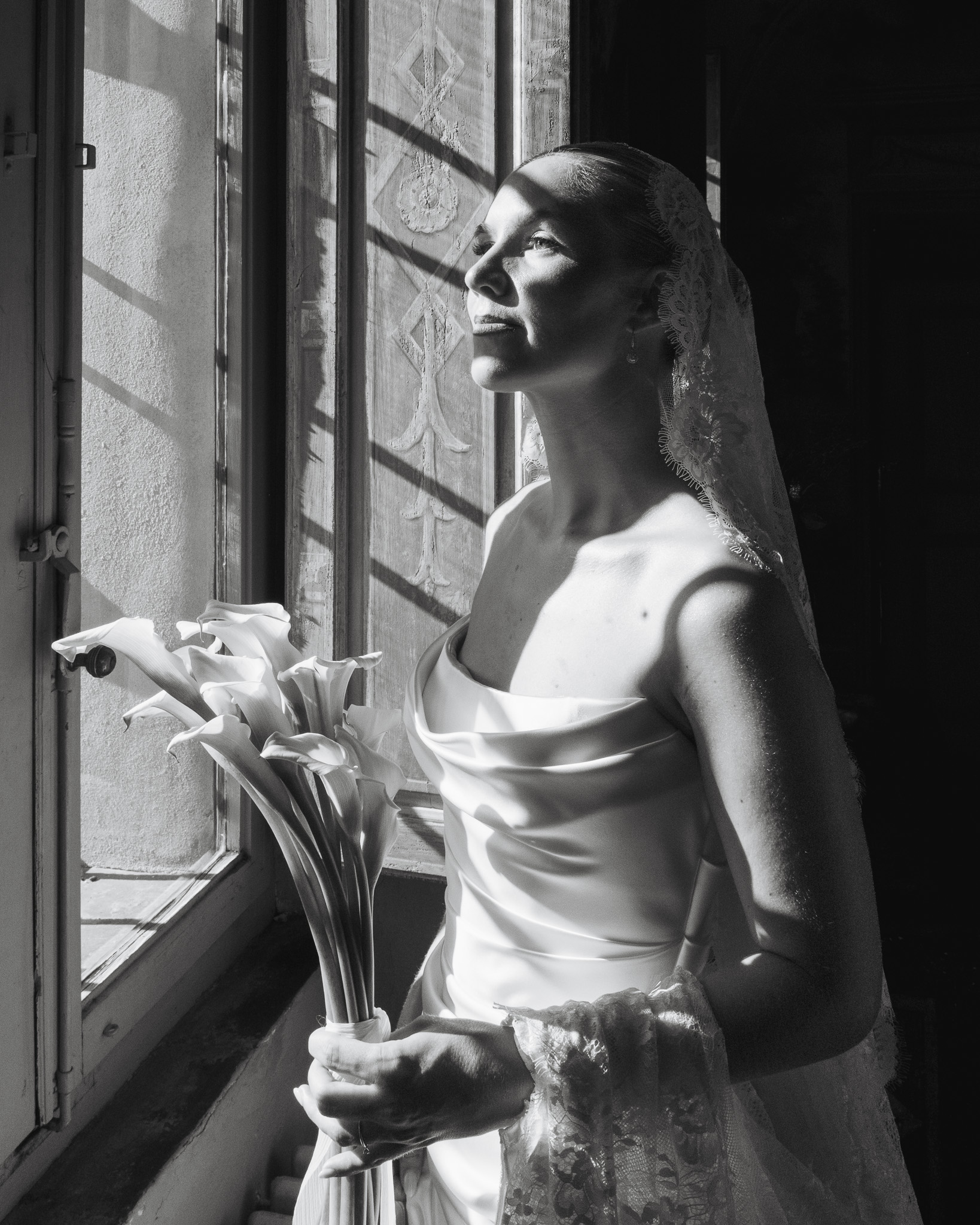
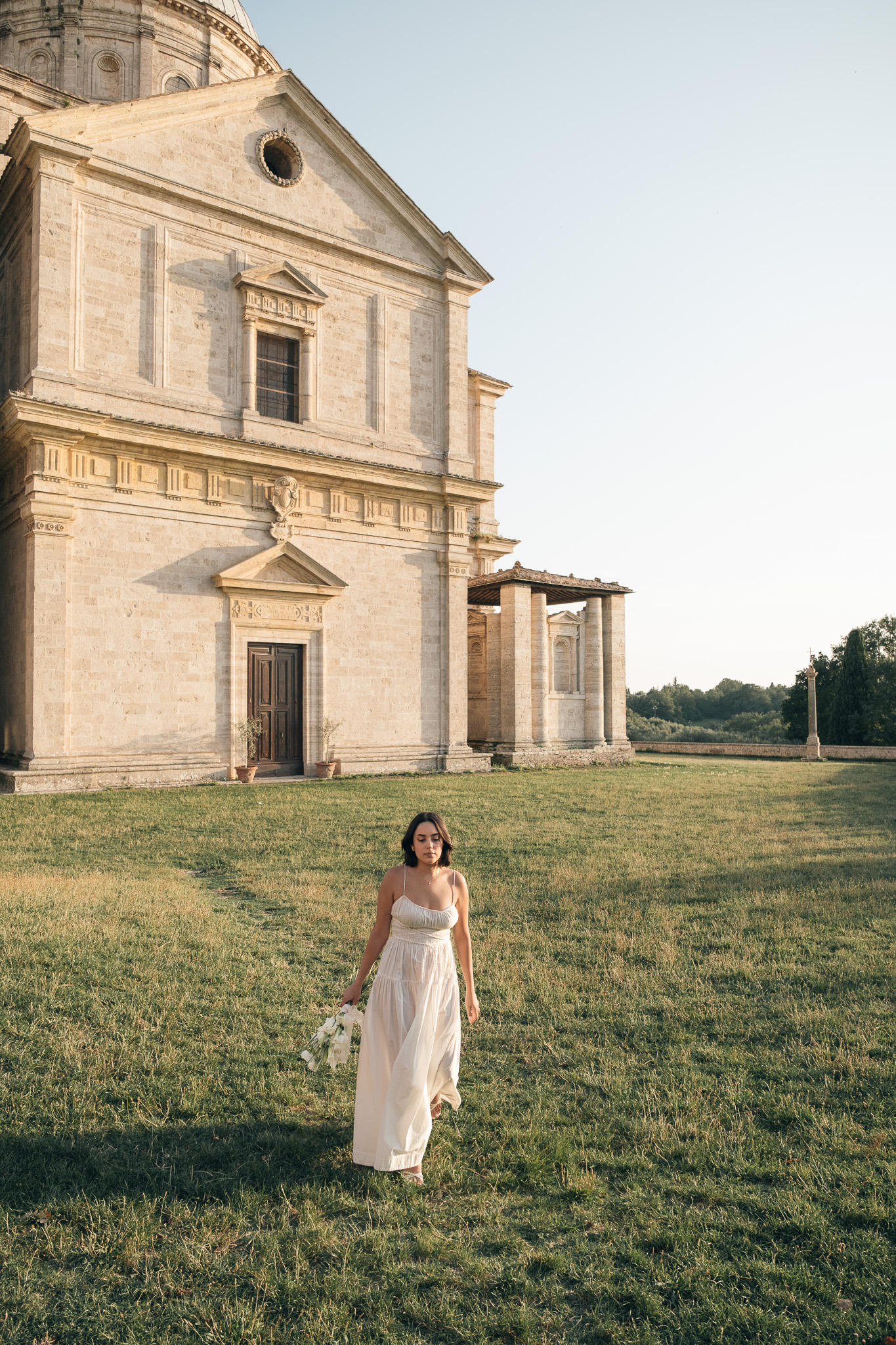
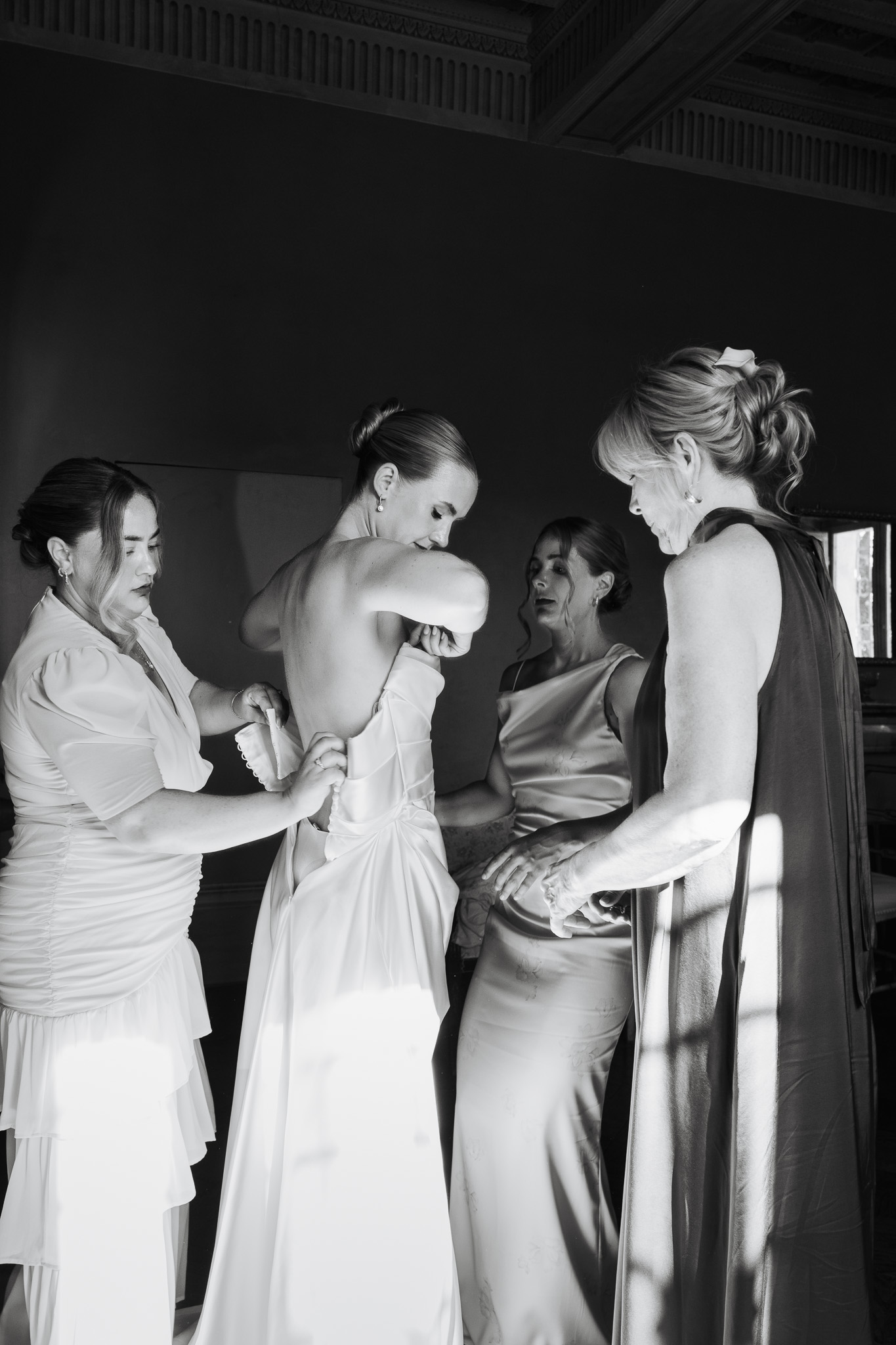
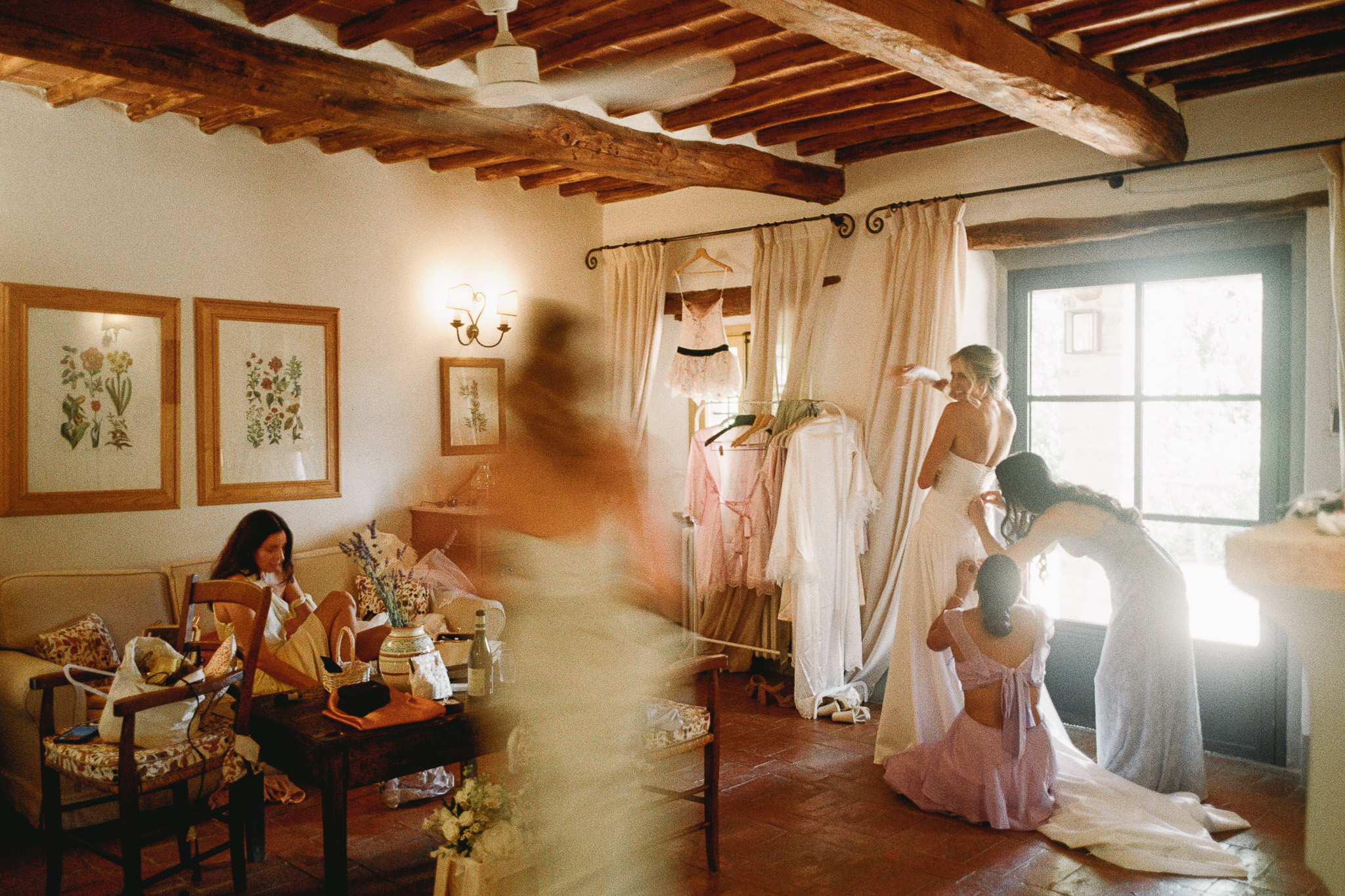
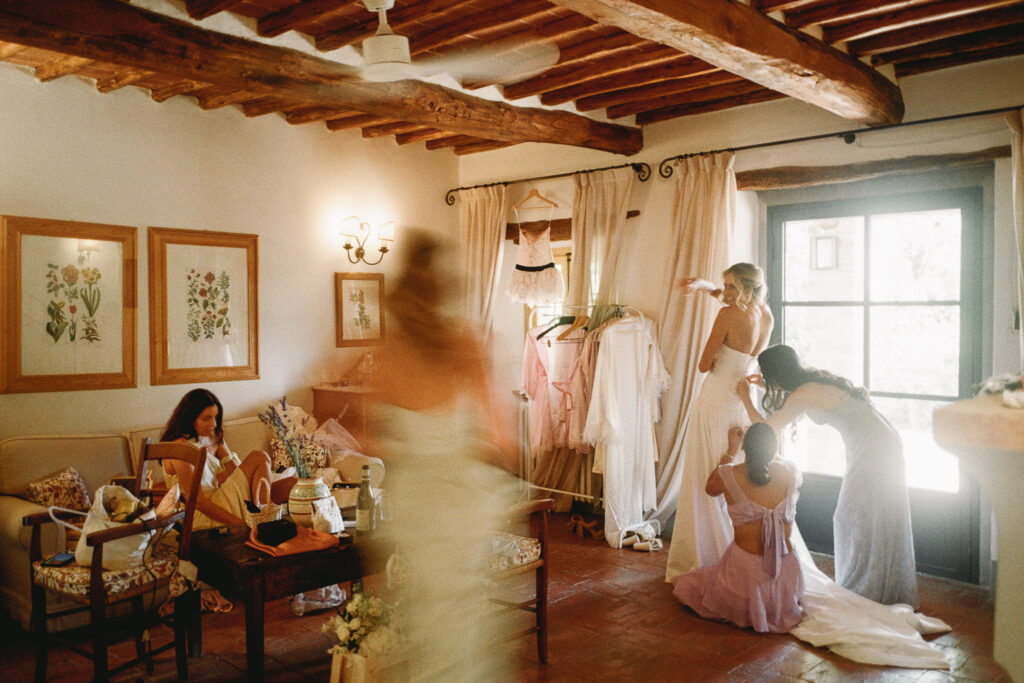
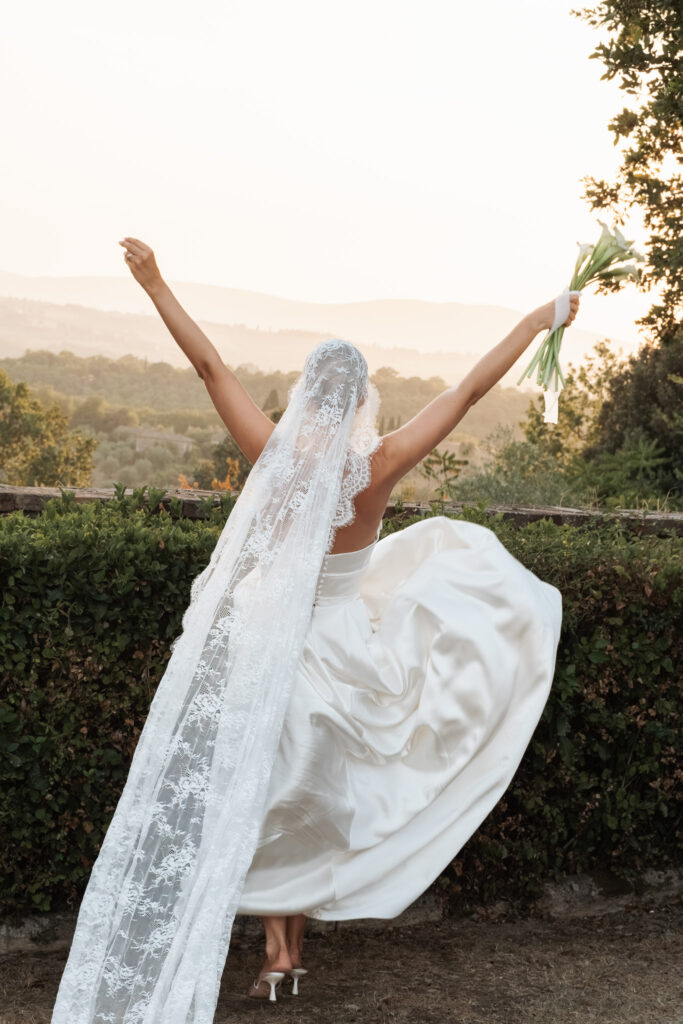
This is why my approach to wedding photography in Tuscany is rooted in documentary and reportage photography rather than turning the day into an extended fashion shoot. I photograph on digital and analogue film, usually moving quietly through what is happening instead of constantly reorganising it. There will be portraits, of course, and occasionally a little direction when it helps, but I am much more interested in a hand under the table, somebody laughing during a speech, a parent watching from the other side of the garden, a dress caught by the wind or the slightly chaotic five minutes before everyone is supposed to be ready. Robert Bresson once wrote: “Make visible what, without you, might perhaps never have been seen.” It is probably as good a description of documentary photography as any I know.
A documentary approach to a Tuscany wedding
“Candid” has become one of those words that appears on almost every wedding photographer’s website, rather like authentic, timeless and, inevitably, dolce vita. I use it too, because it describes part of what I do, but documentary wedding photography is more than simply waiting until nobody is looking at the camera.
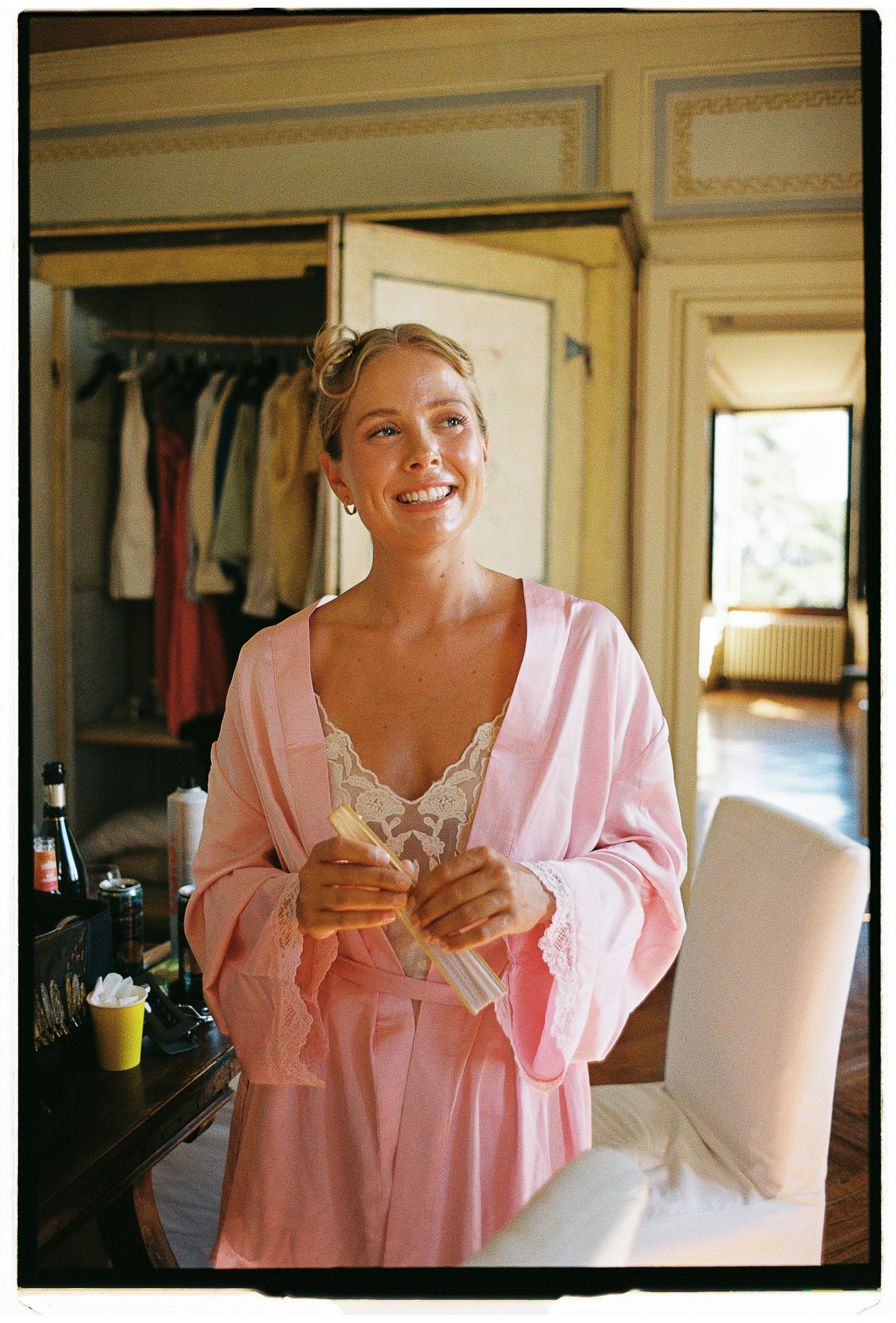
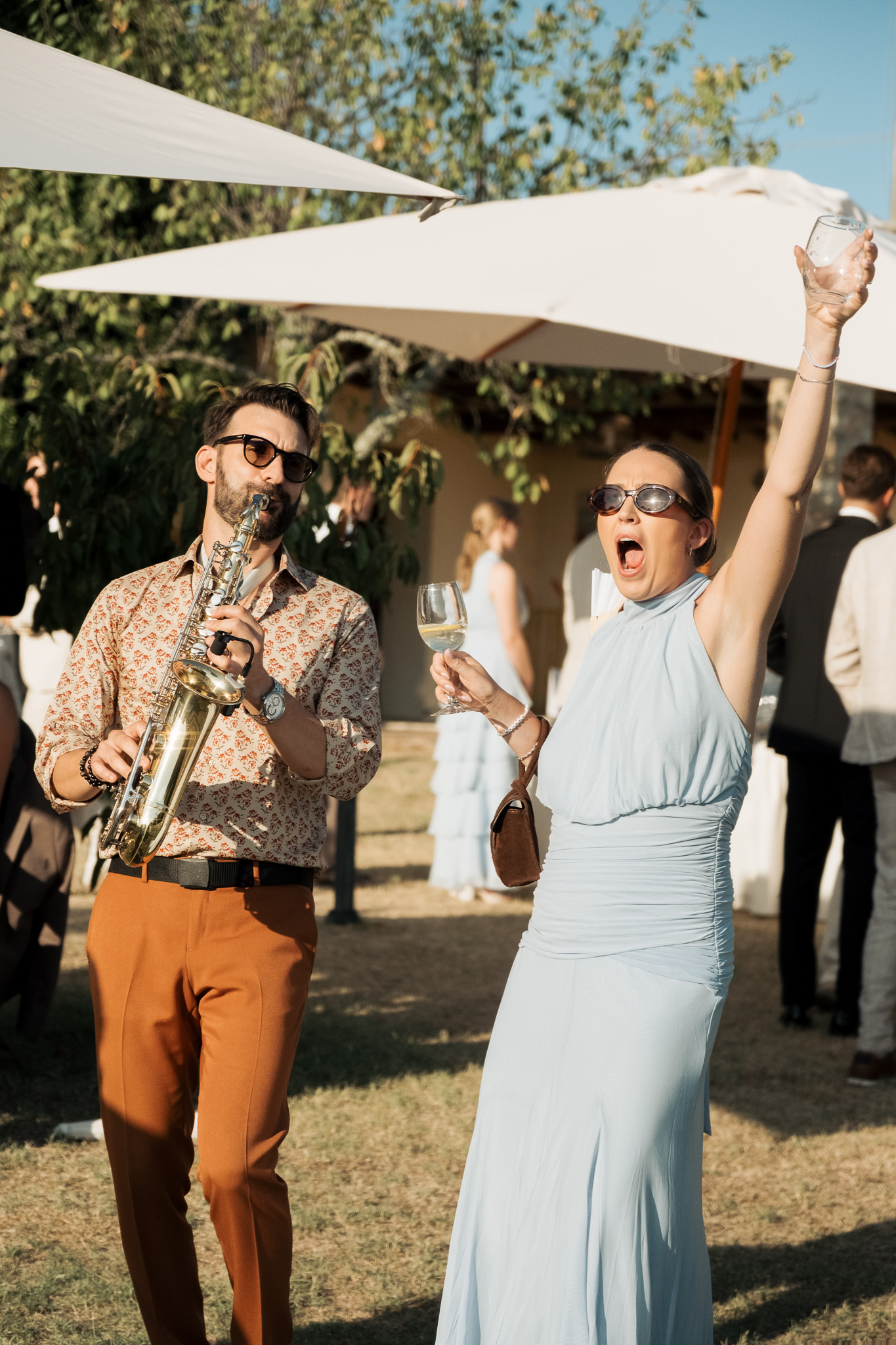
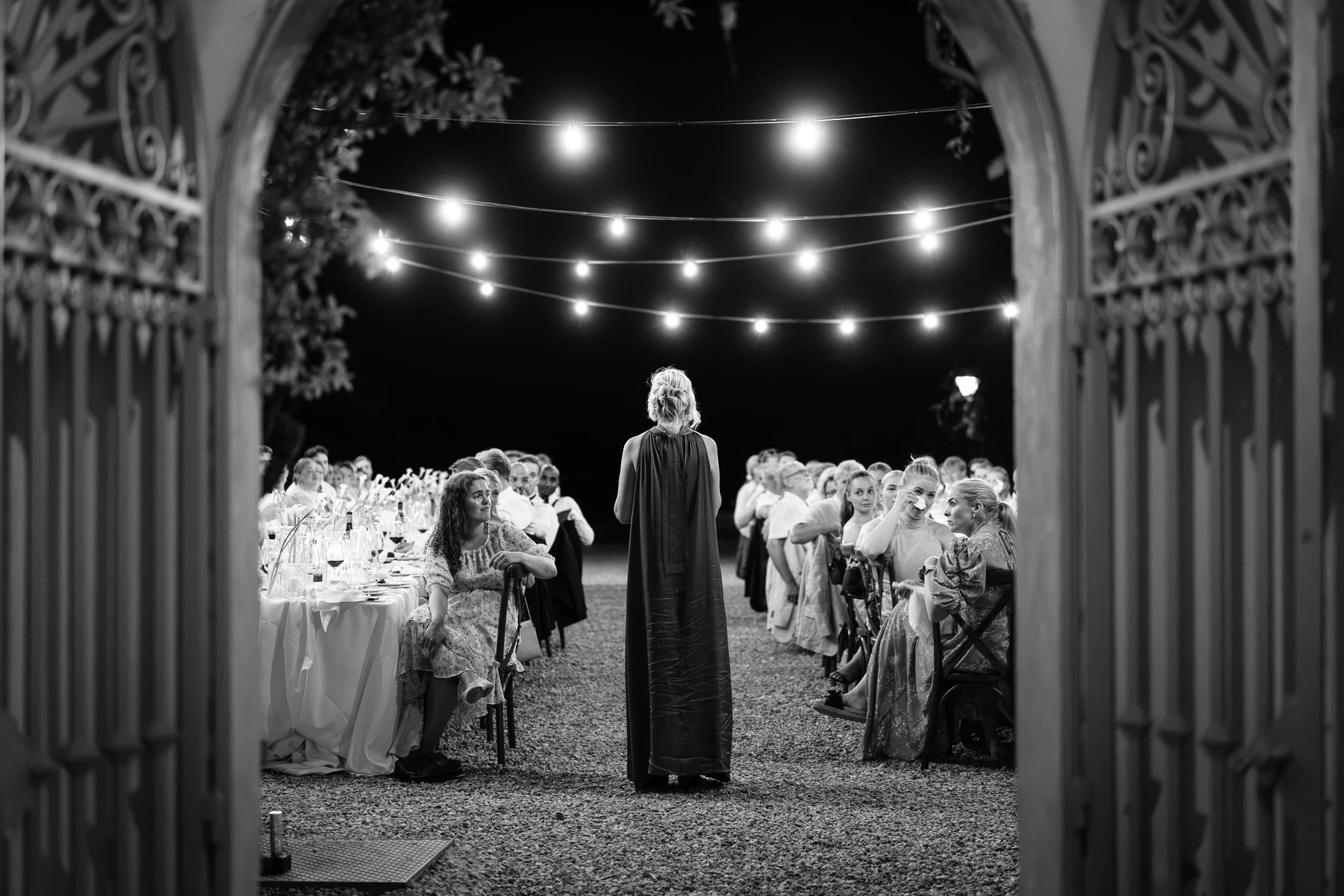
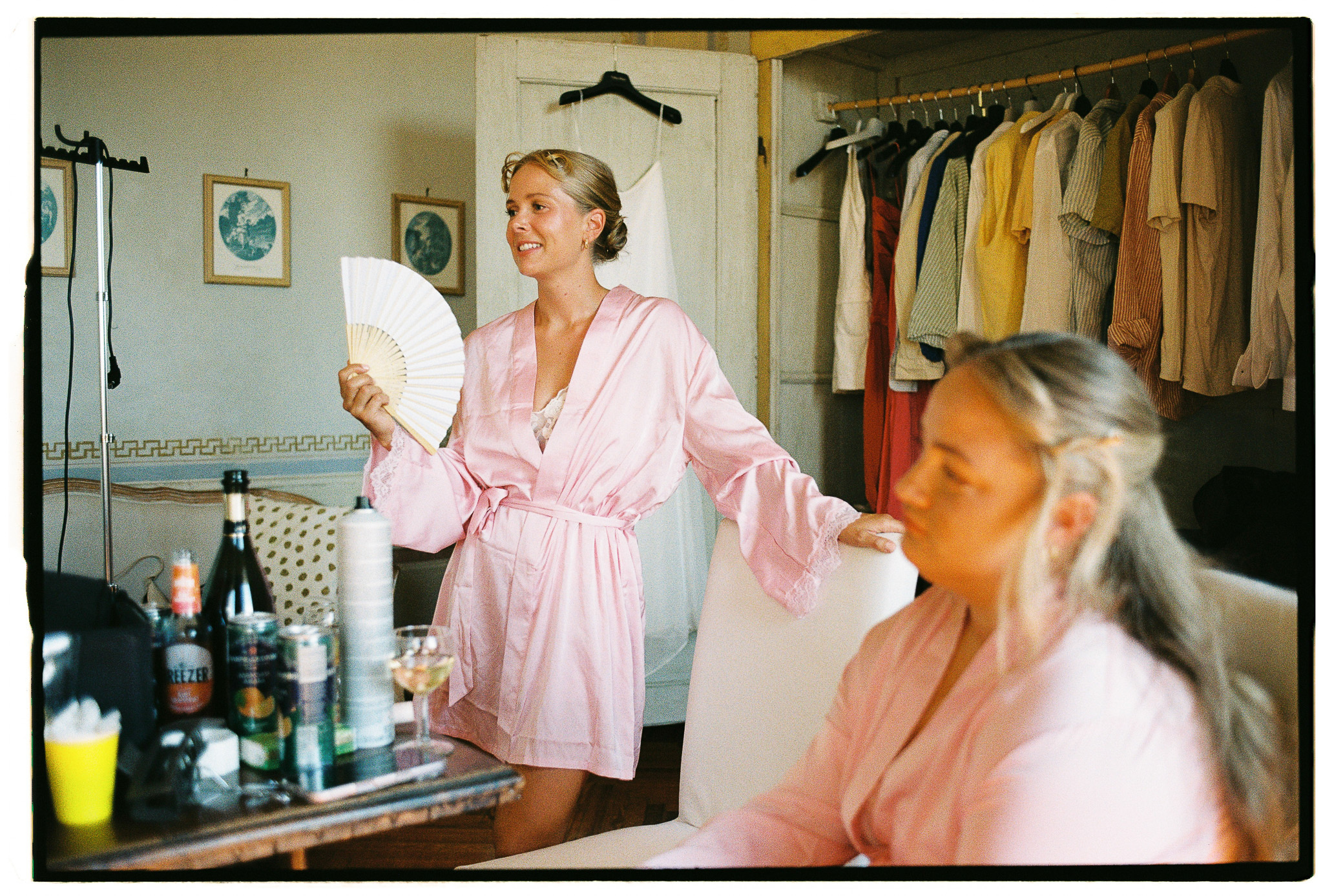
It means paying attention to relationships and anticipating what might happen next. During preparations, I may be photographing the bride while also noticing her father quietly hovering by the door. During aperitivo, the interesting photograph might not be the couple at all, but the three friends laughing behind them. During dinner, I am watching the room rather than manufacturing moments inside it.
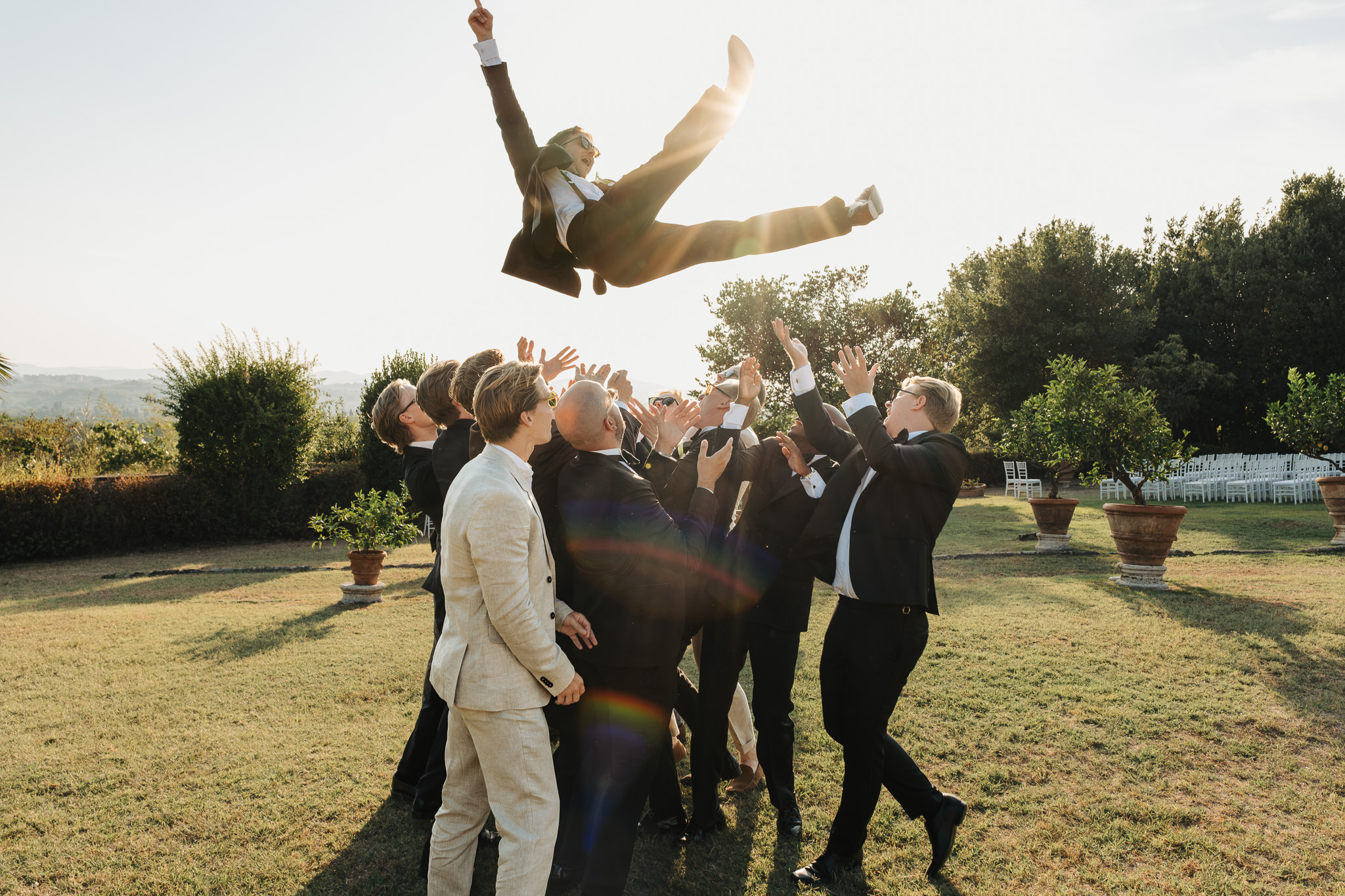
That has been true whether I was photographing a Norwegian wedding at Villa Catignano near Siena, a two-day celebration at Casa Cornacchi, or a much smaller elopement moving through Val d’Orcia. The scale of the wedding changes, the language being spoken around me changes, the landscape changes, but the basic job remains the same: pay attention.
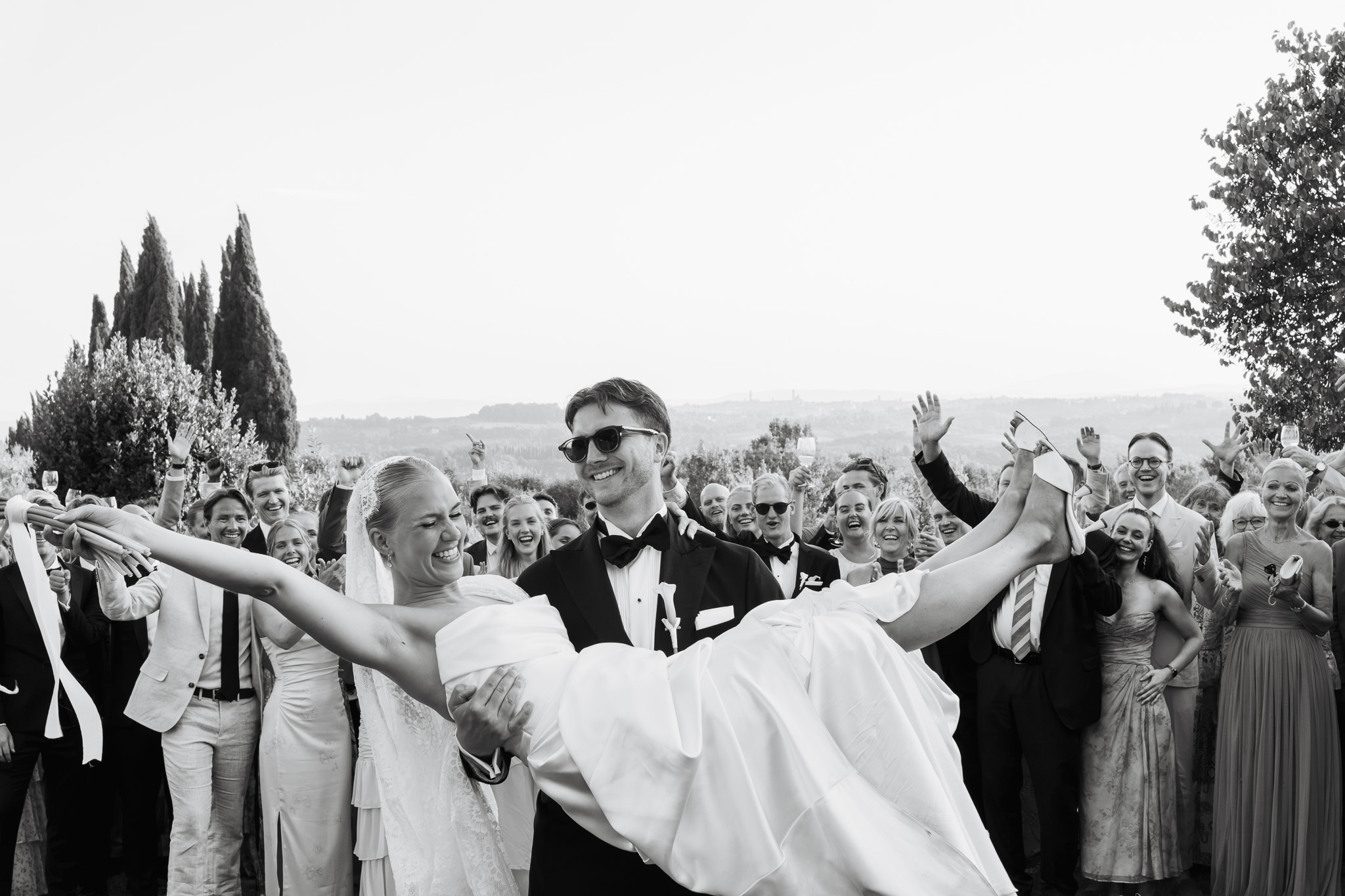
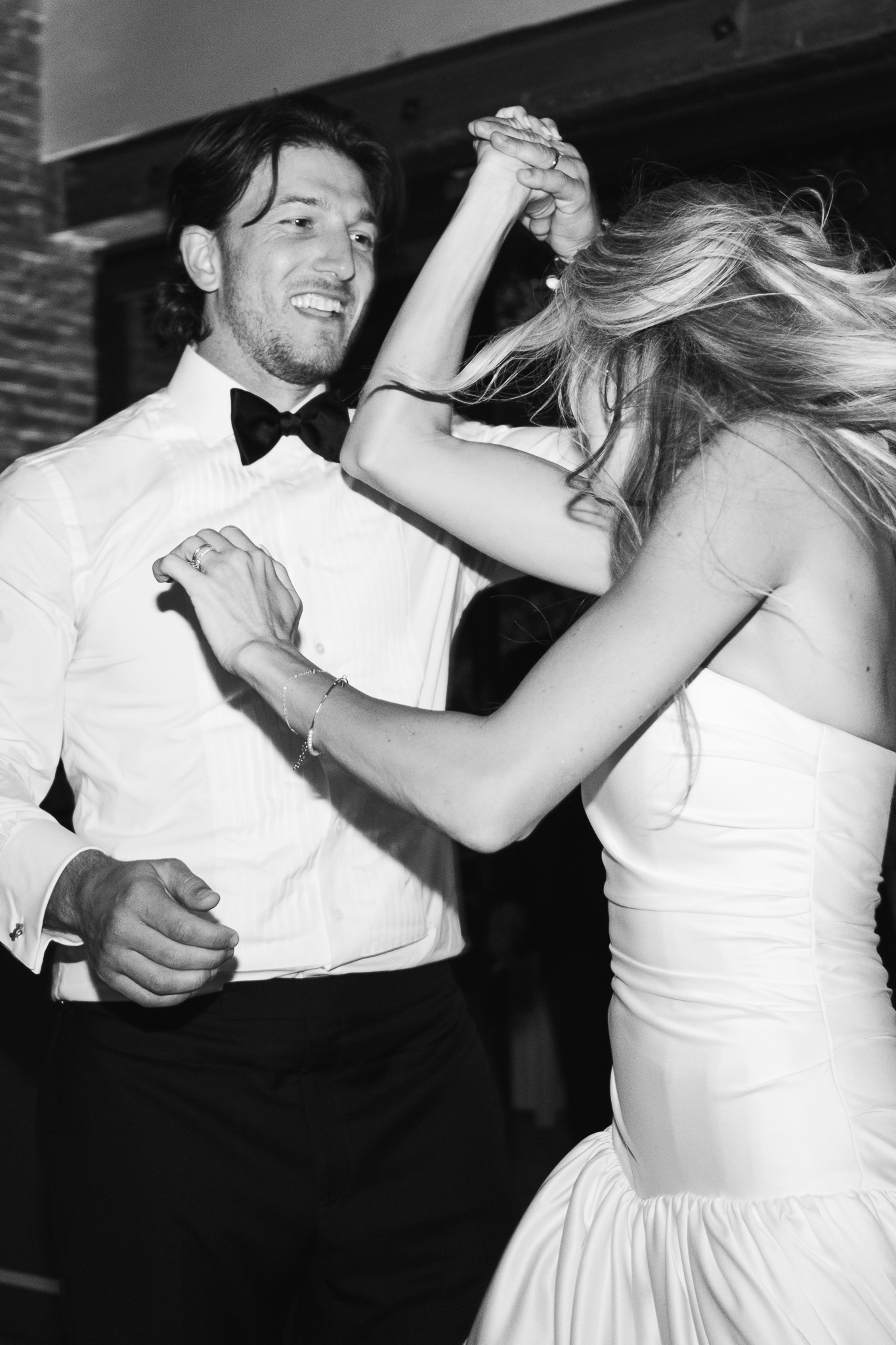
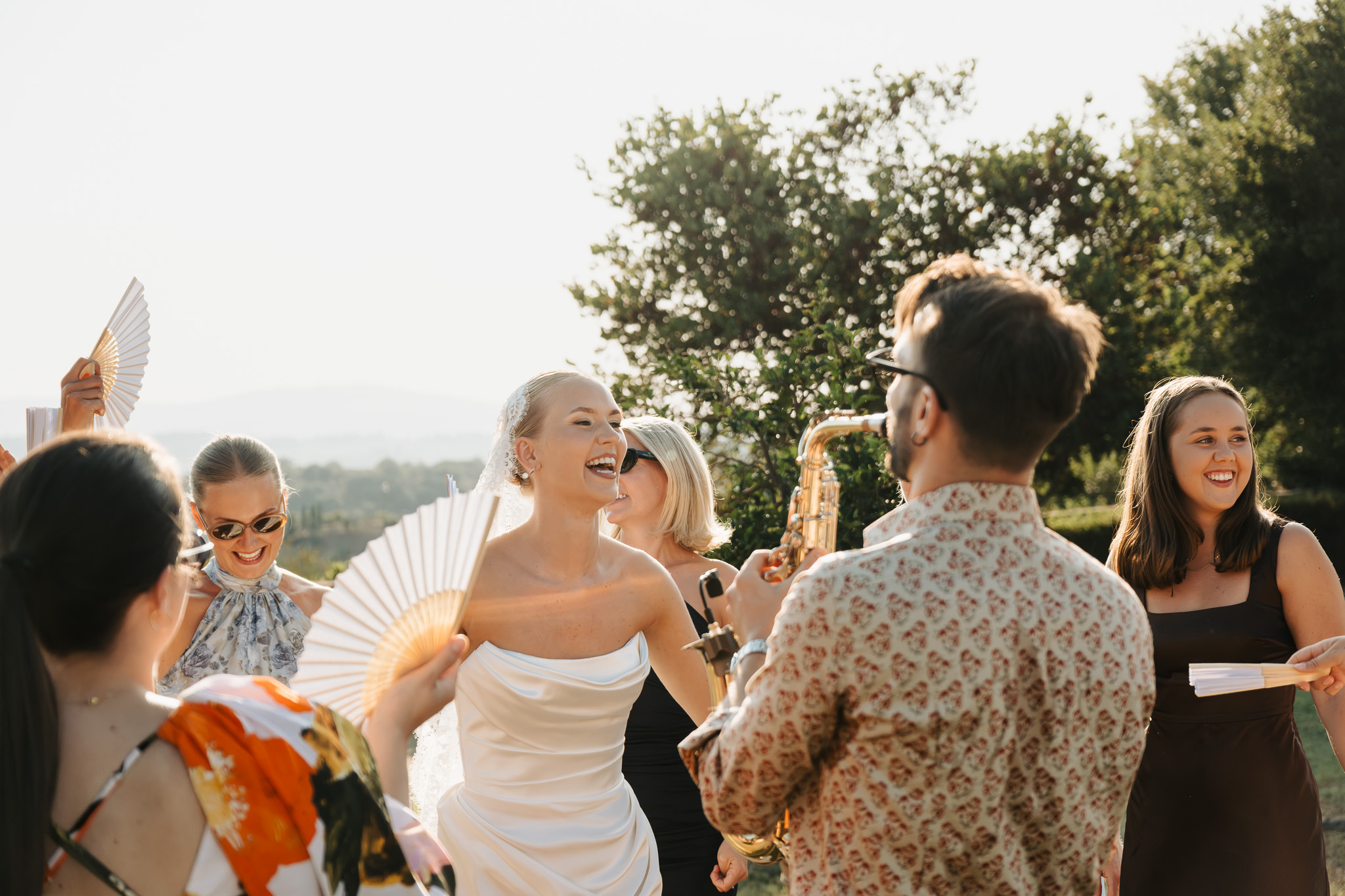
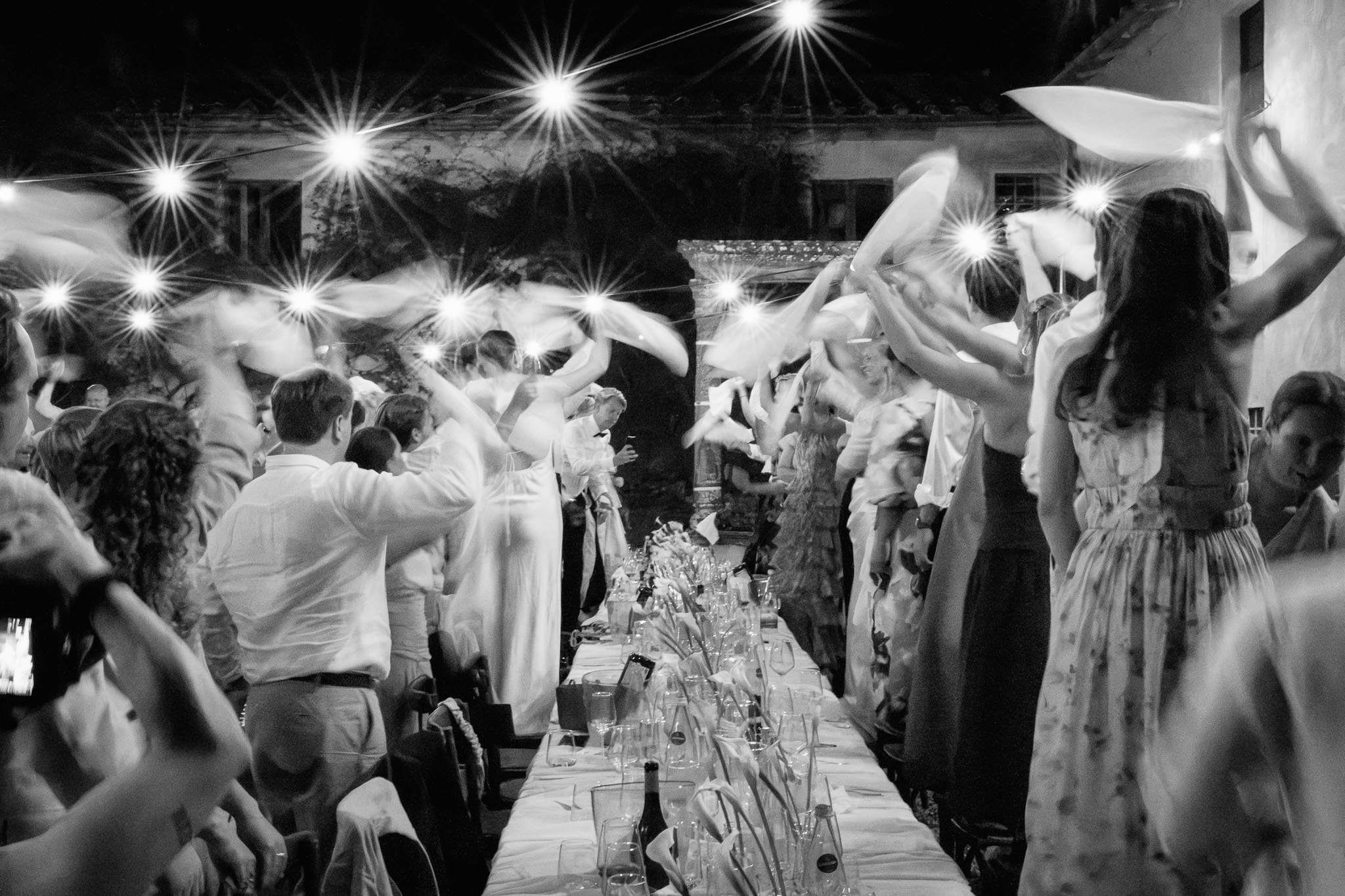
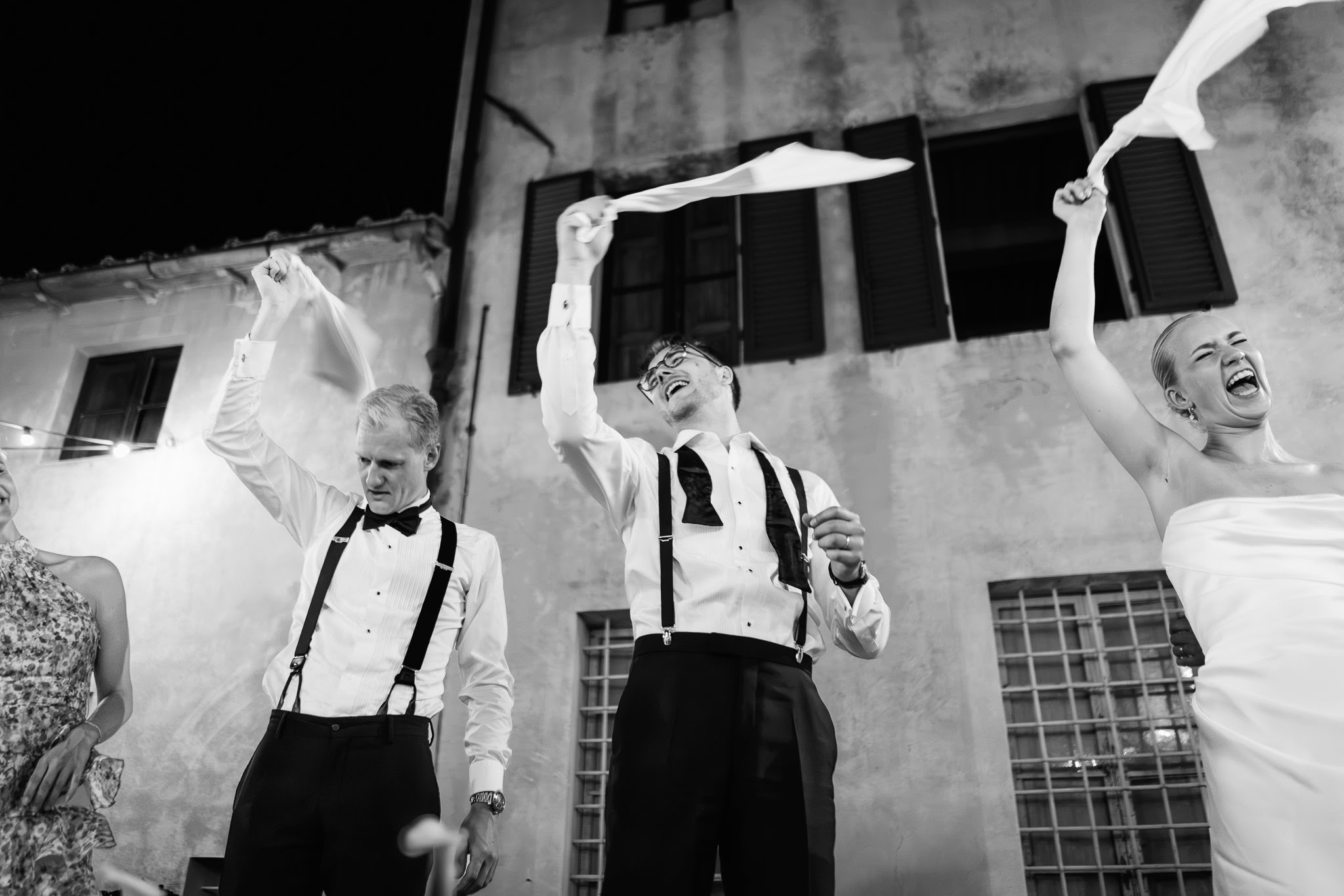
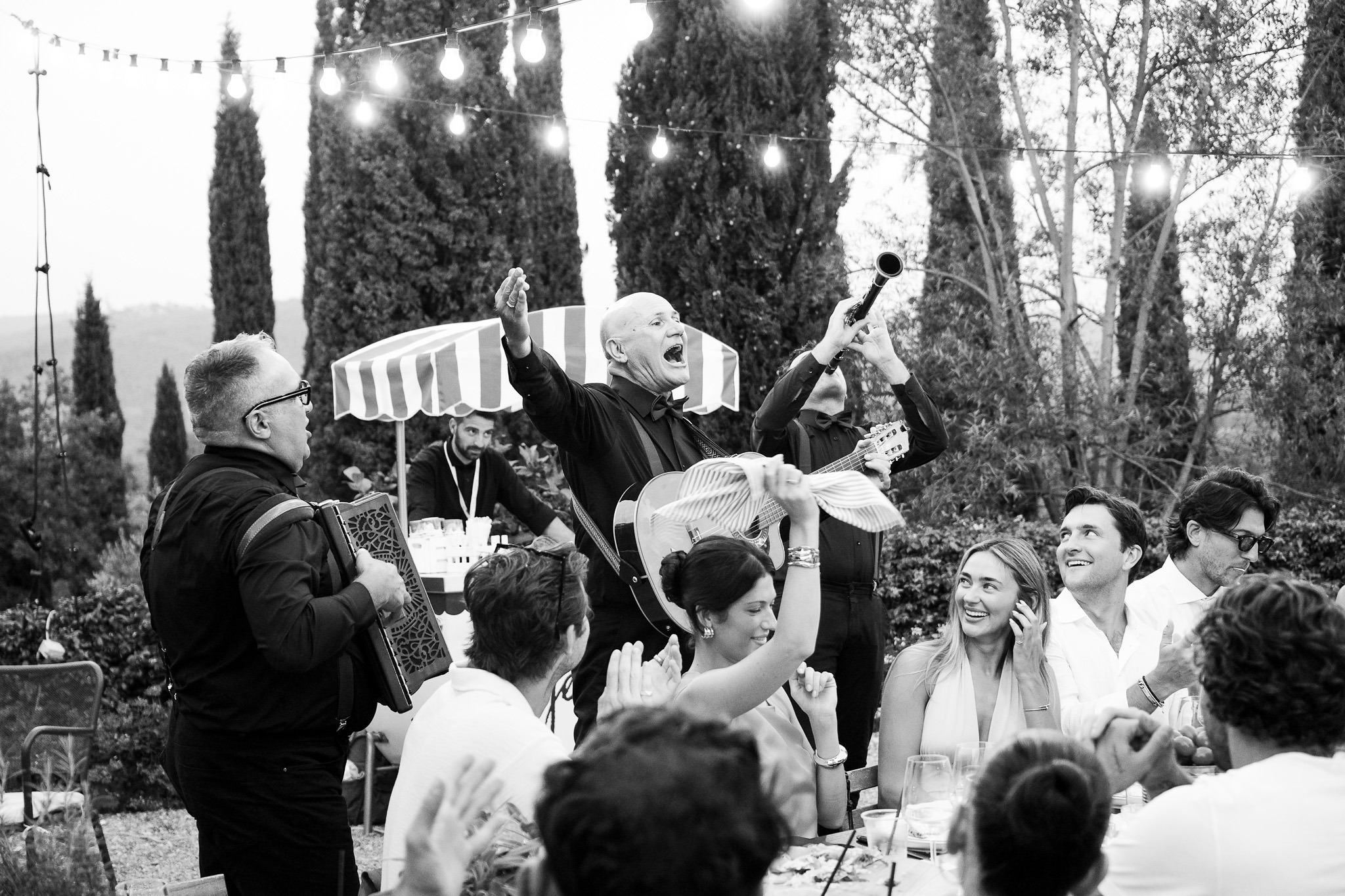
I like photographs with movement, strange little gestures, people entering and leaving the frame and sometimes even the imperfections that make an image feel alive. A technically perfect photograph can occasionally be quite boring. A photograph that is slightly blurred because everyone suddenly started dancing on their chairs may tell you considerably more about the evening.
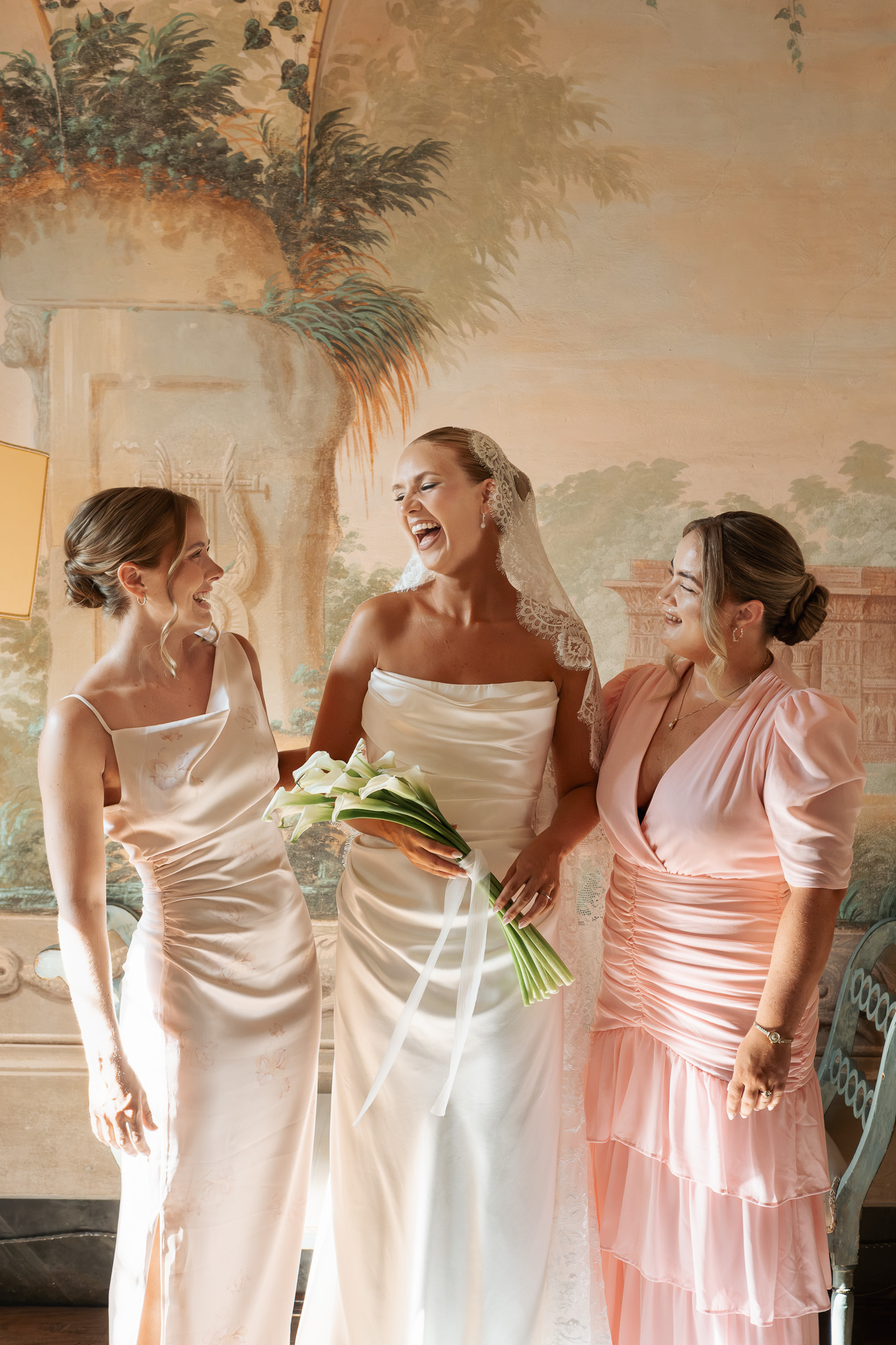
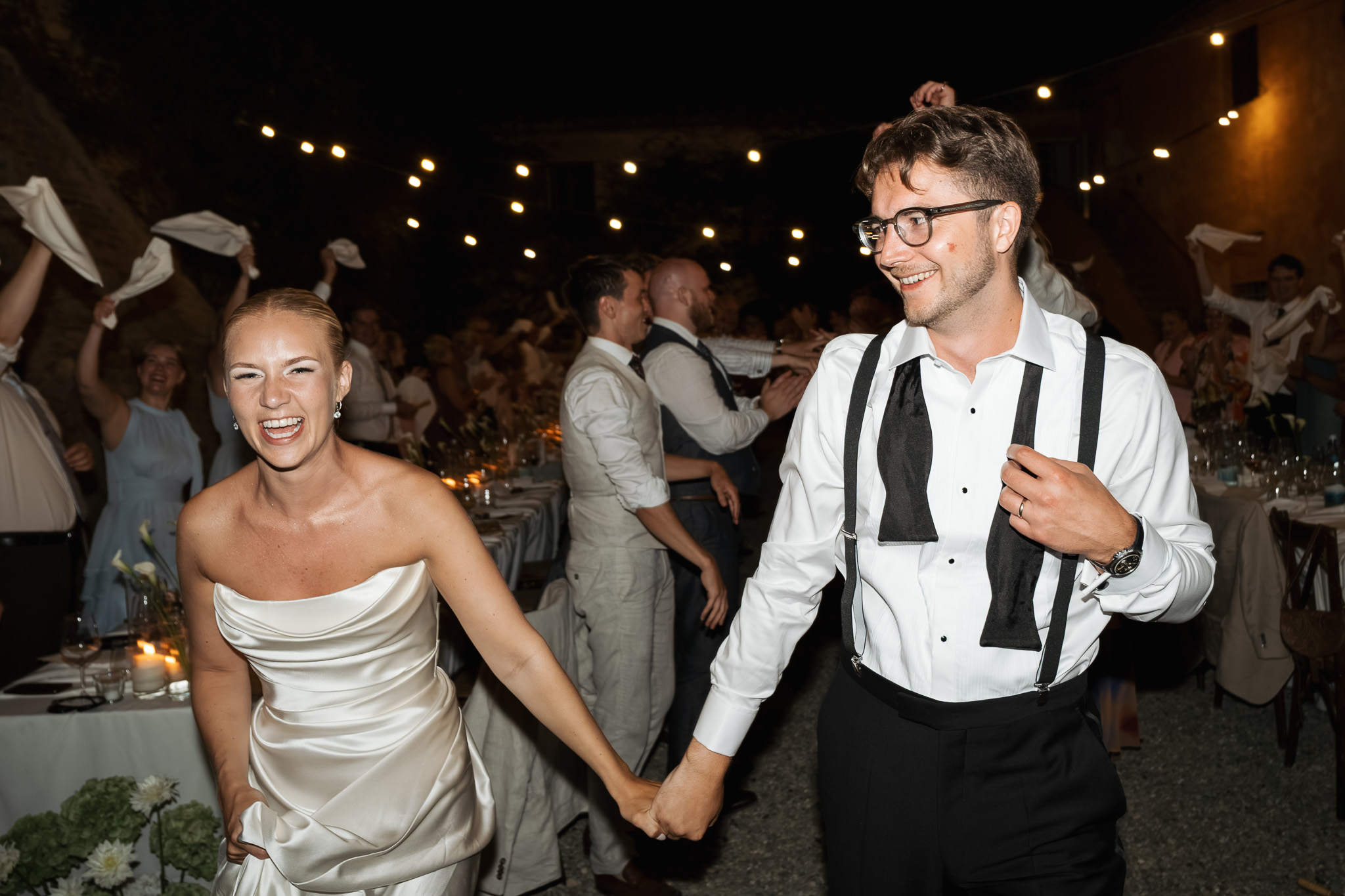
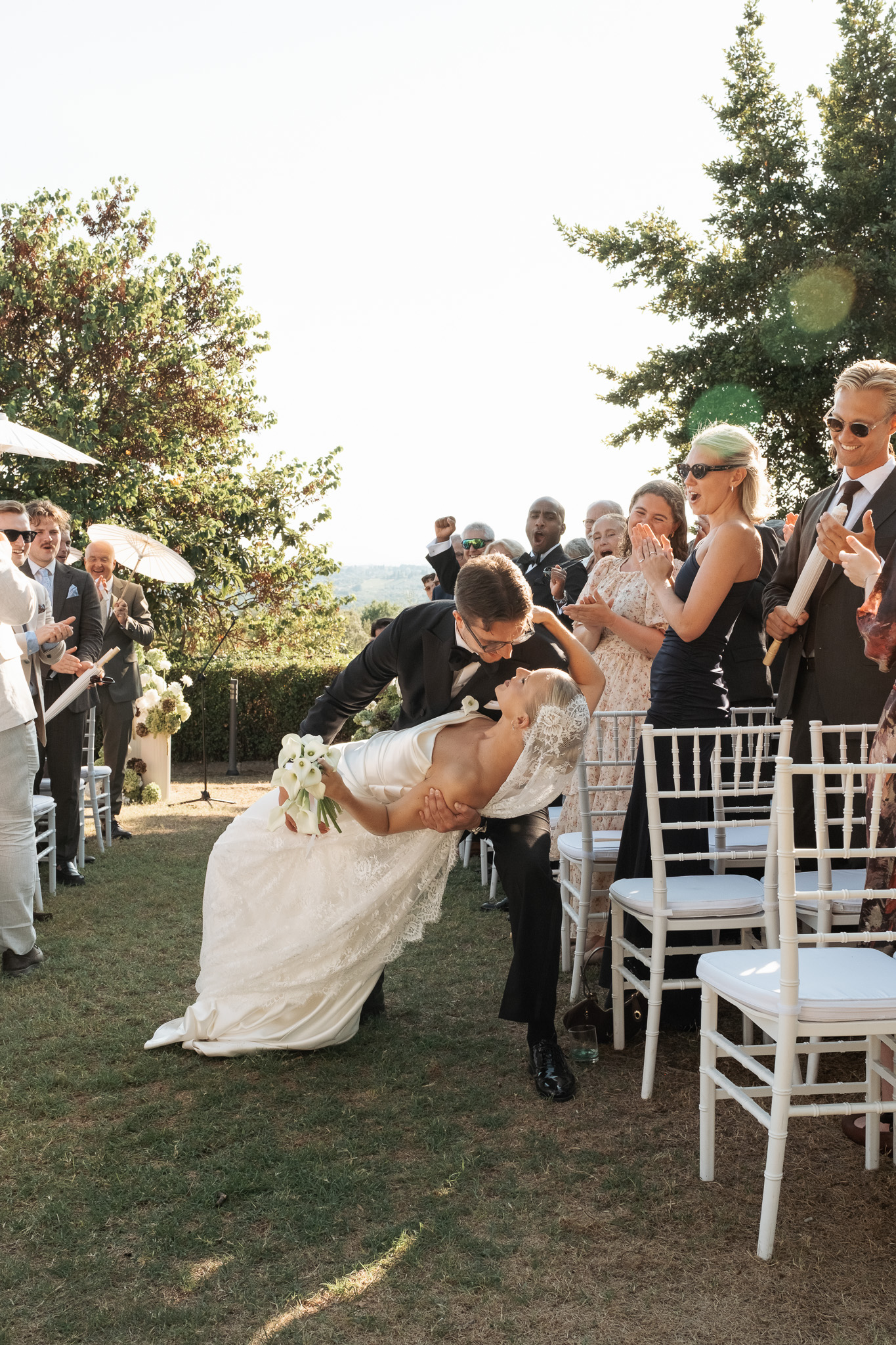
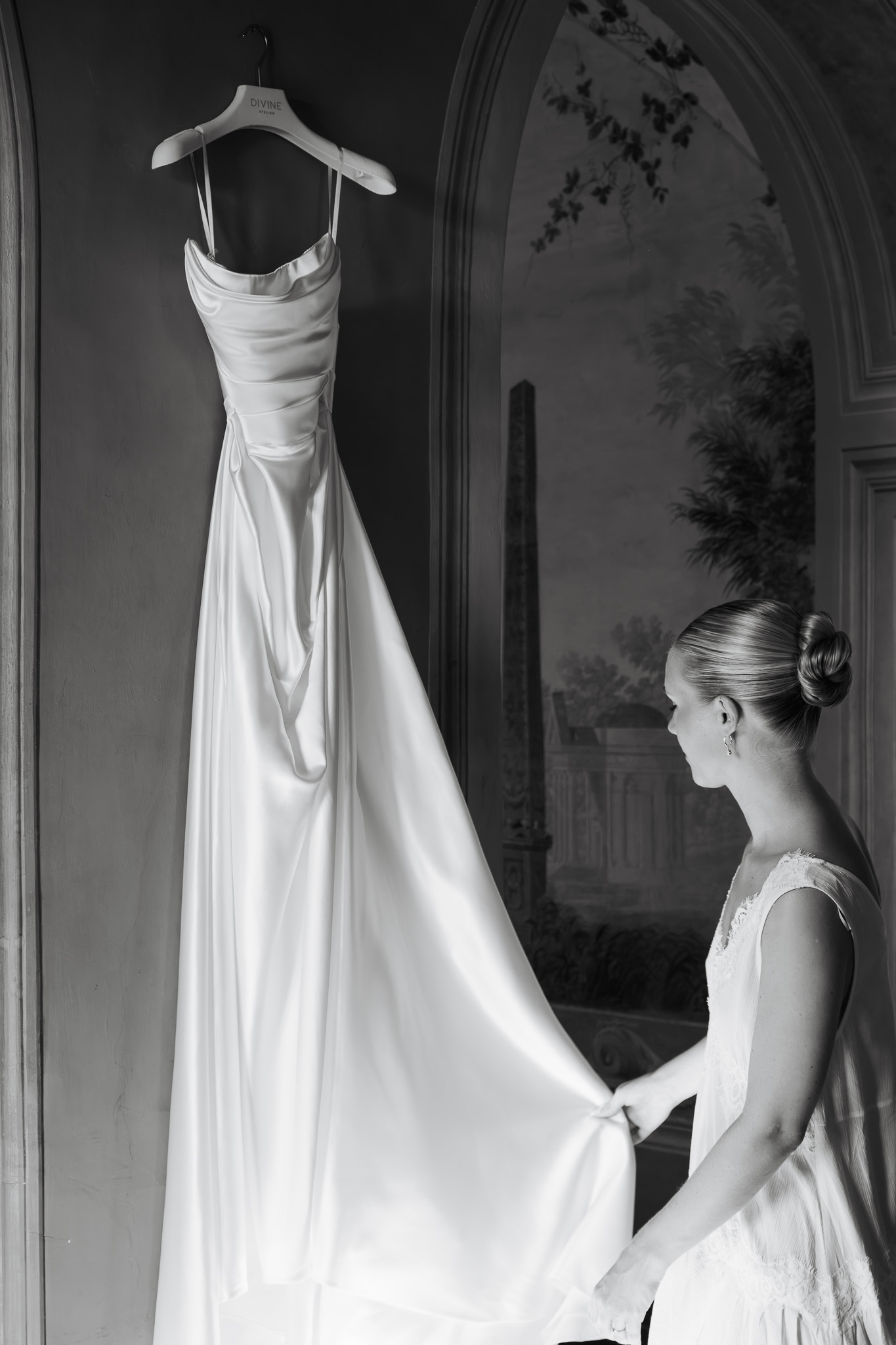
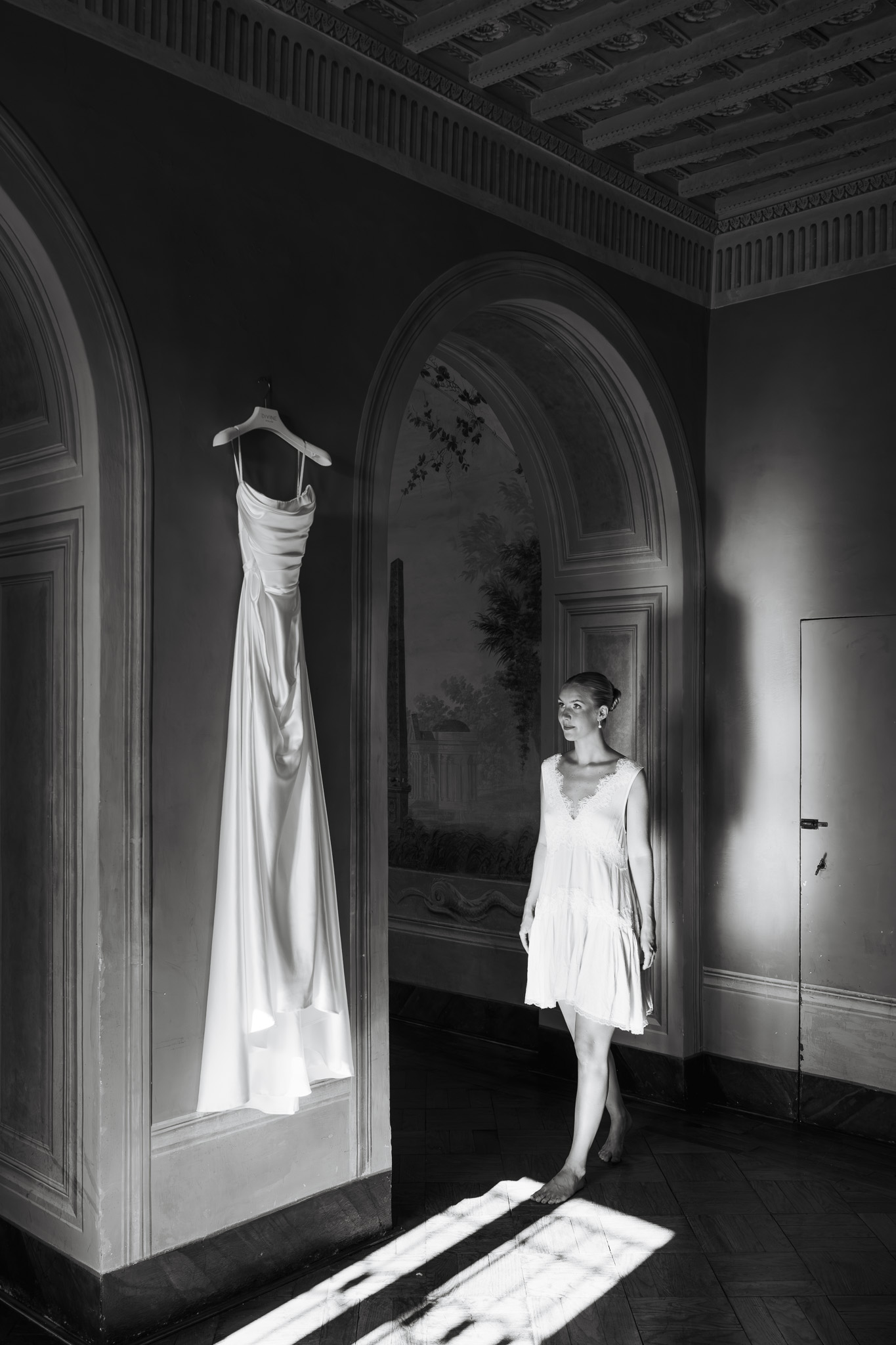
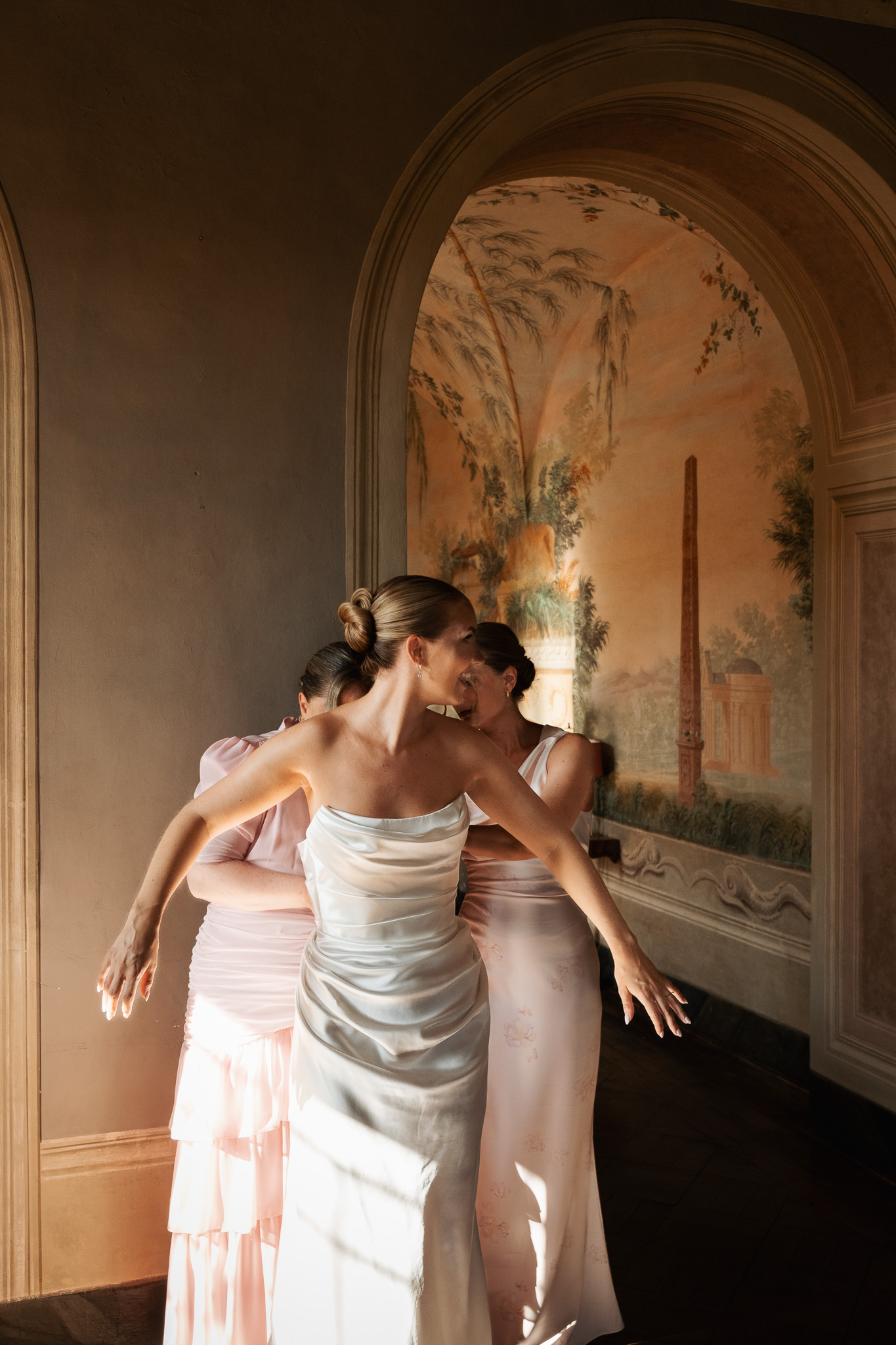
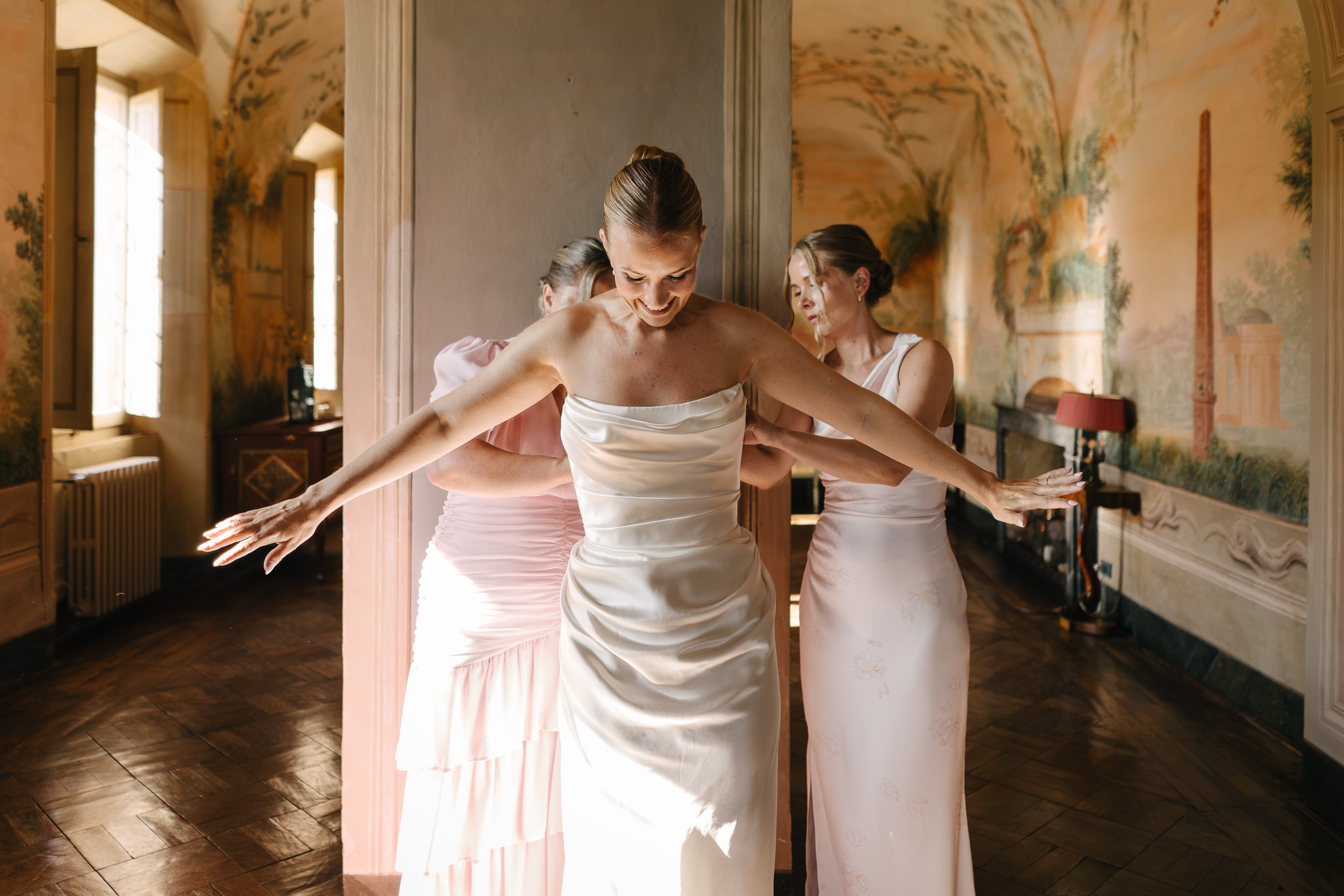
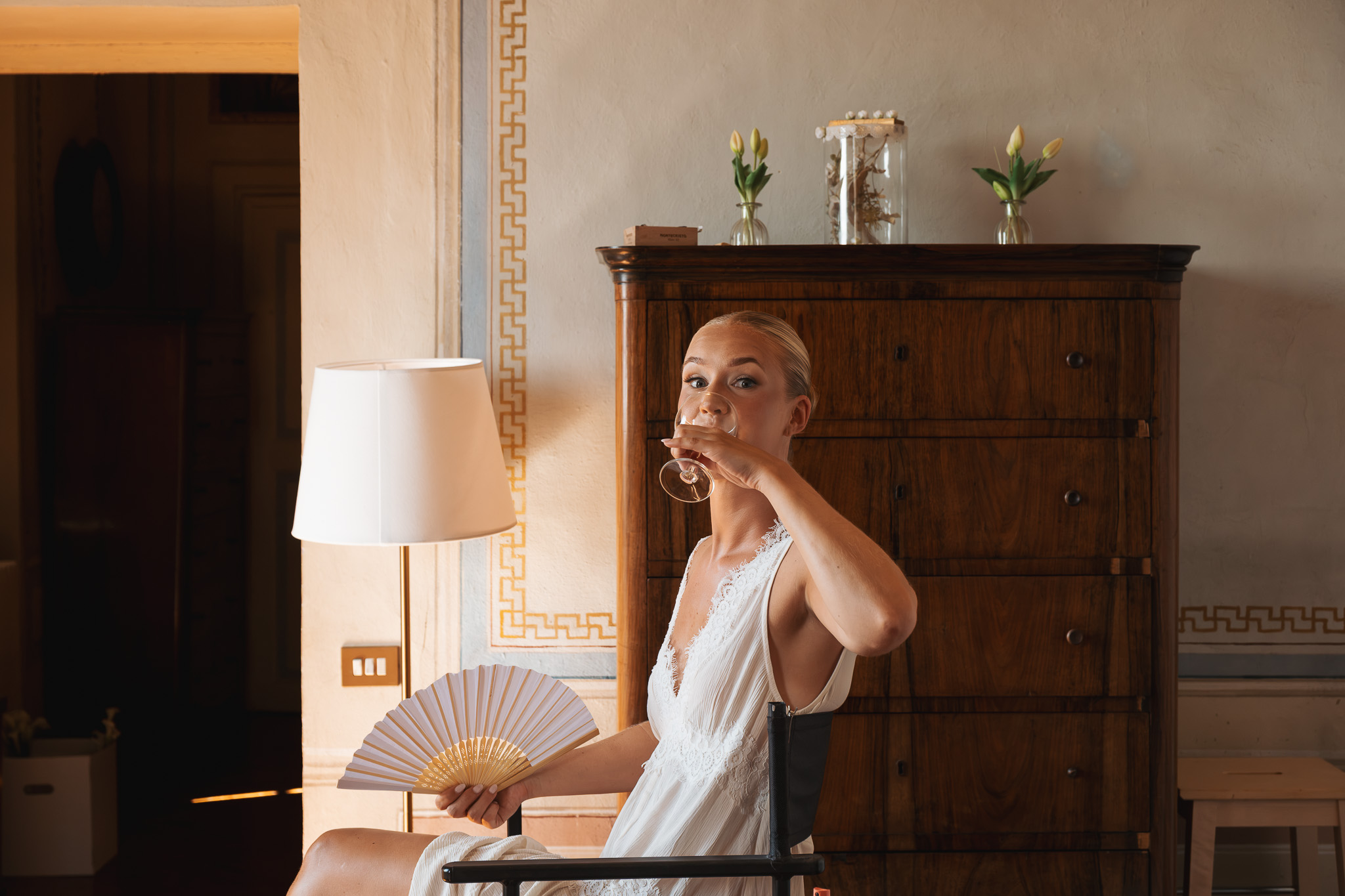
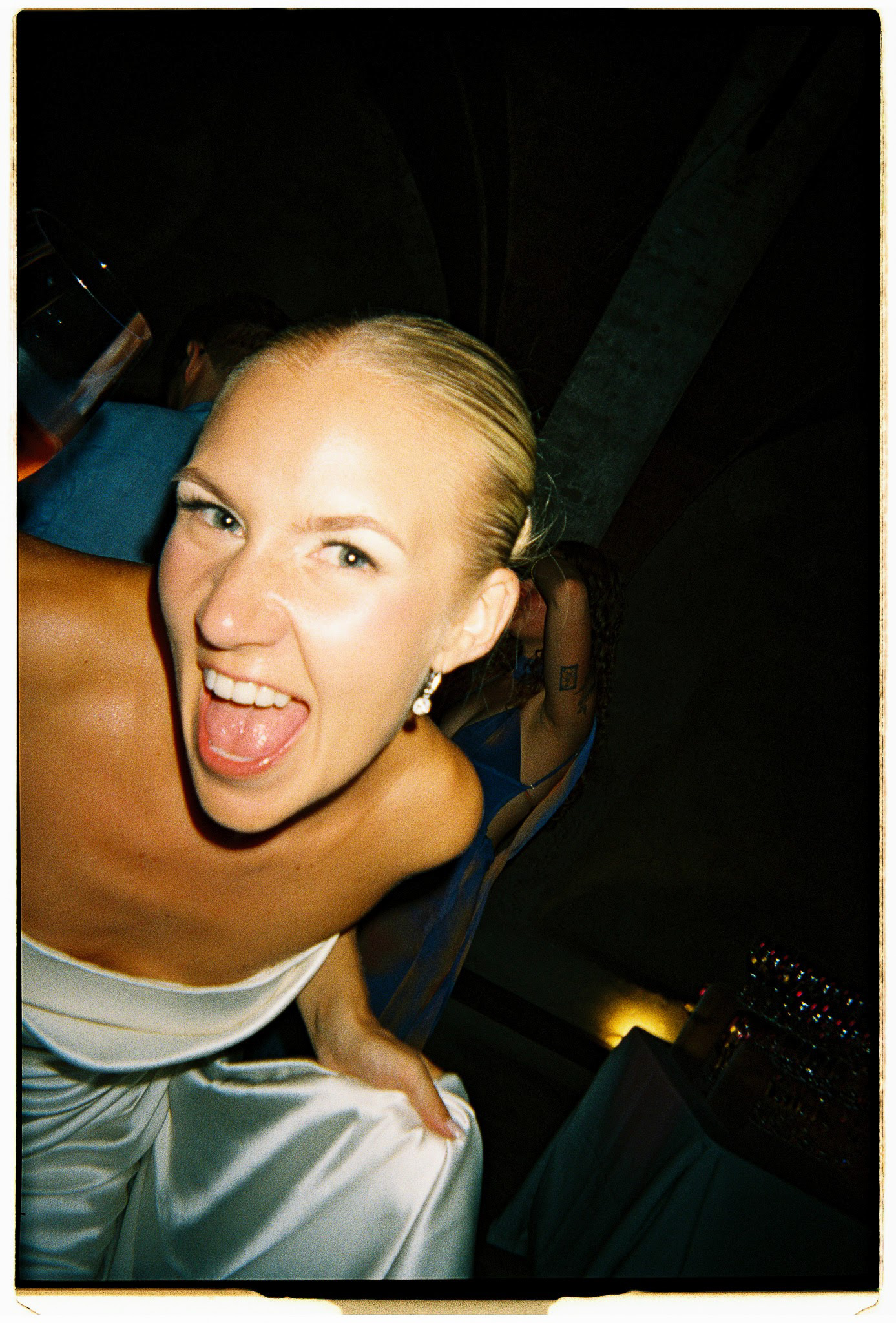
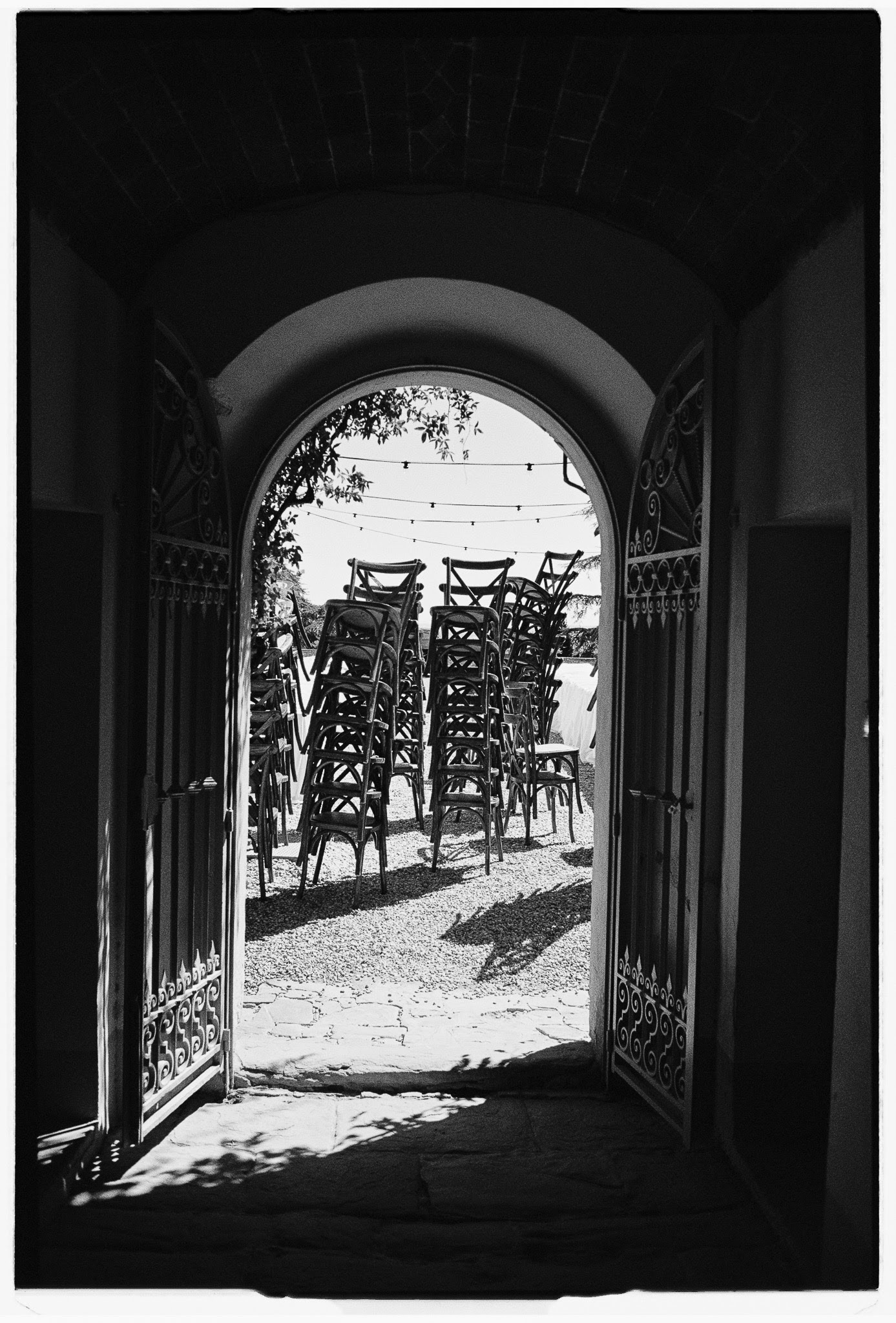
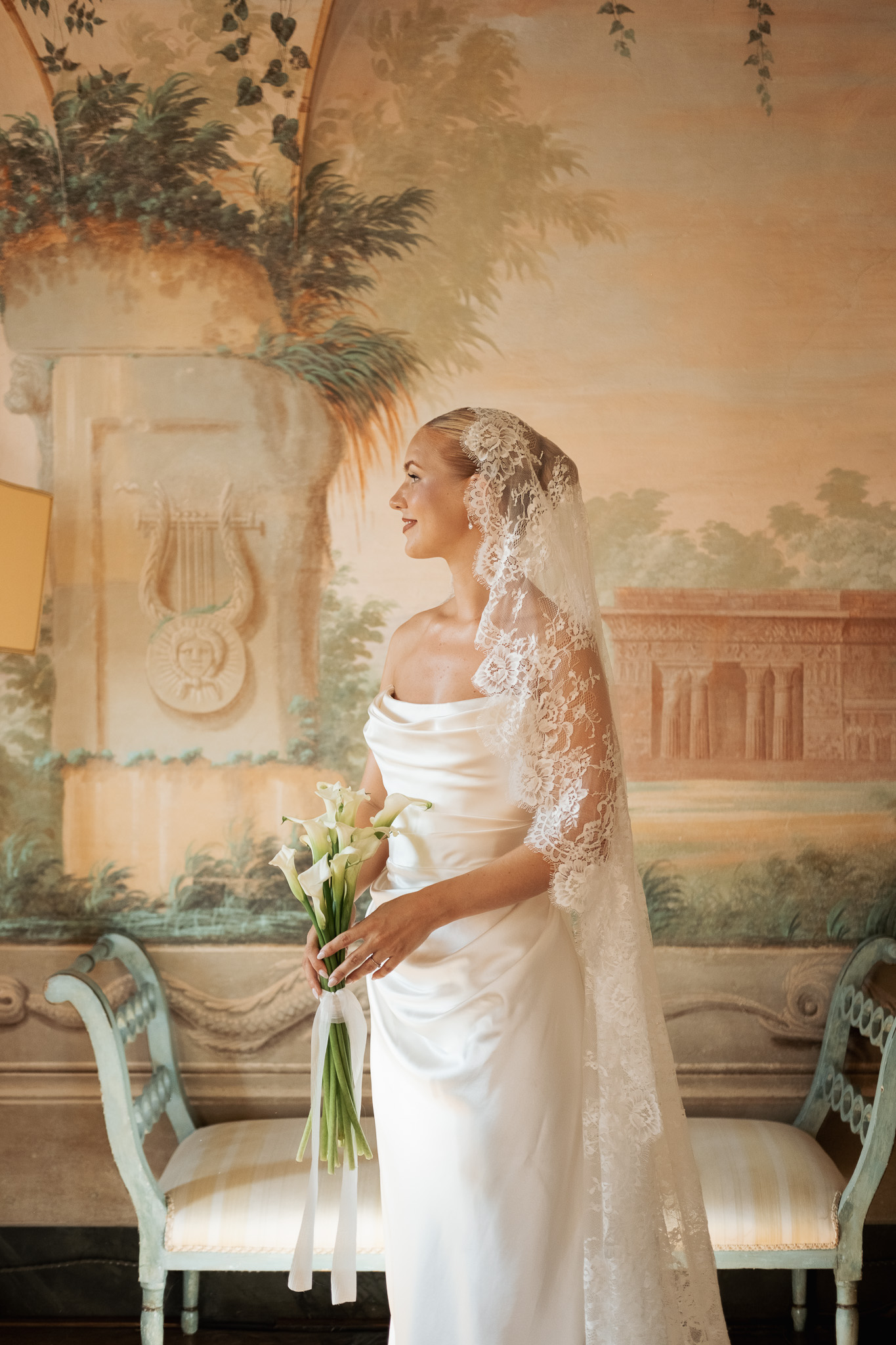
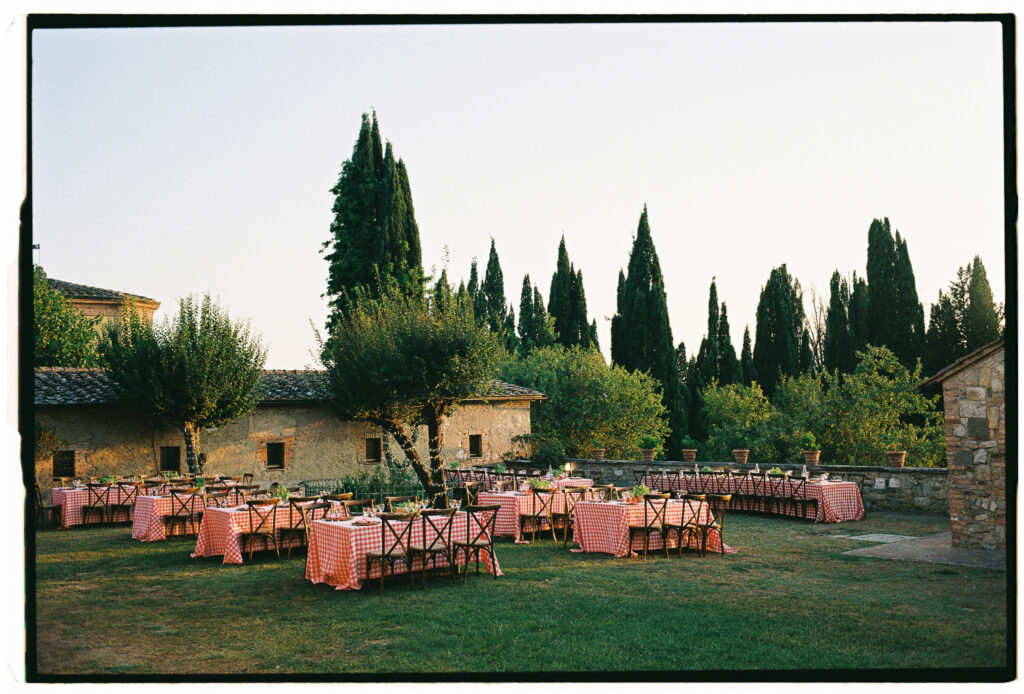
That approach suits Tuscany particularly well because weddings here rarely take place in one visually neutral room. A day can move from a dark frescoed interior to a ceremony in a garden, from hard afternoon sunshine to aperitivo in the shade, dinner beneath strings of lights and finally a party where direct flash suddenly makes much more sense than pretending it is still golden hour.
The photographer has to change with the day.
Film and digital wedding photography in Tuscany
I photograph weddings using both digital cameras and analogue film because I do not think one has to defeat the other. Digital photography gives me freedom and speed. I can react quickly, work through difficult light, photograph sequences and stay with unpredictable moments without worrying about how many frames remain on a roll. For a full wedding day, that flexibility is invaluable.
Film changes my rhythm.
With 35mm film, every frame costs something. Not only money, which it certainly does, but attention. There are 36 exposures in a roll. You become slightly more patient. You wait half a second longer. You decide whether something deserves a photograph rather than photographing first and deciding later.
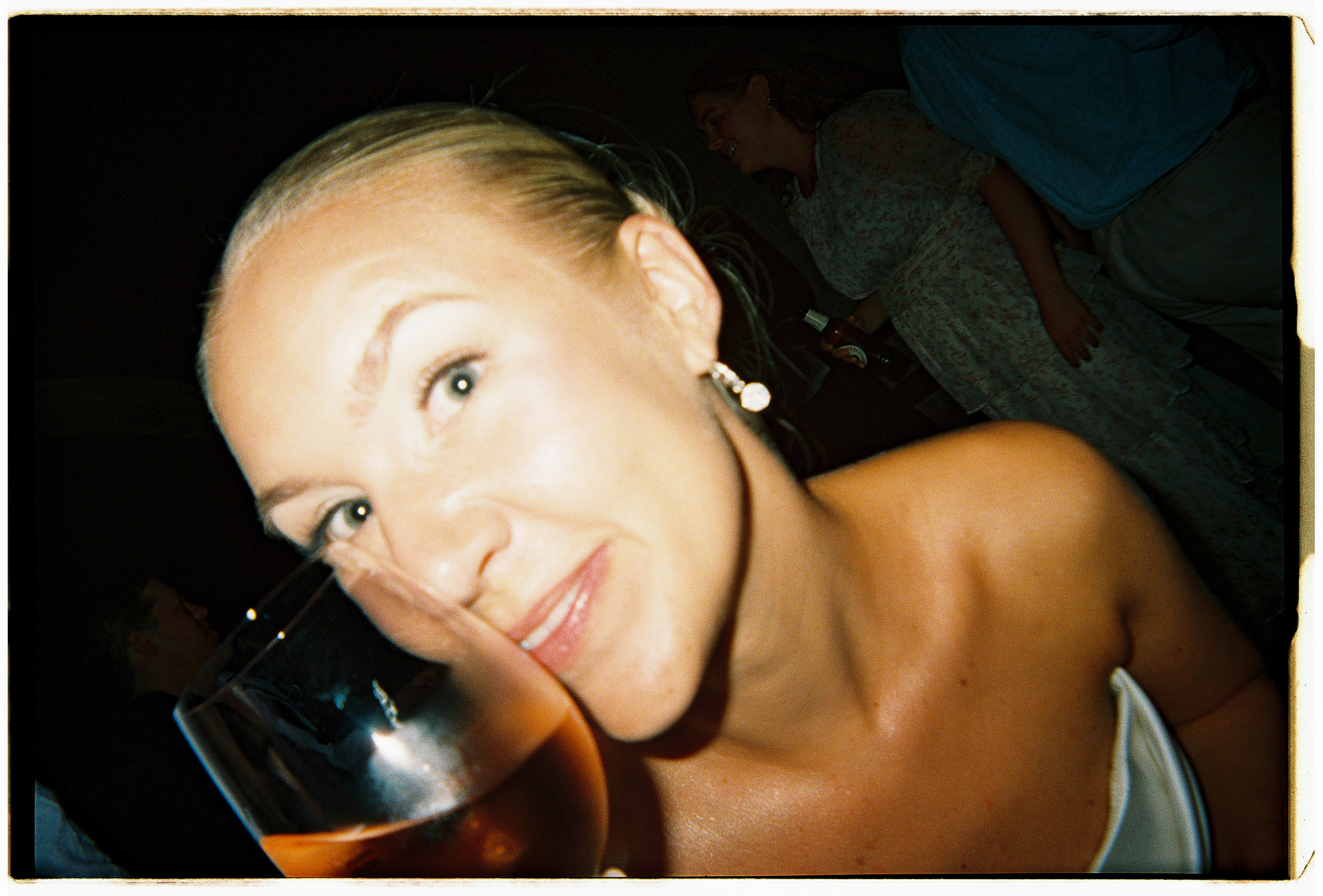
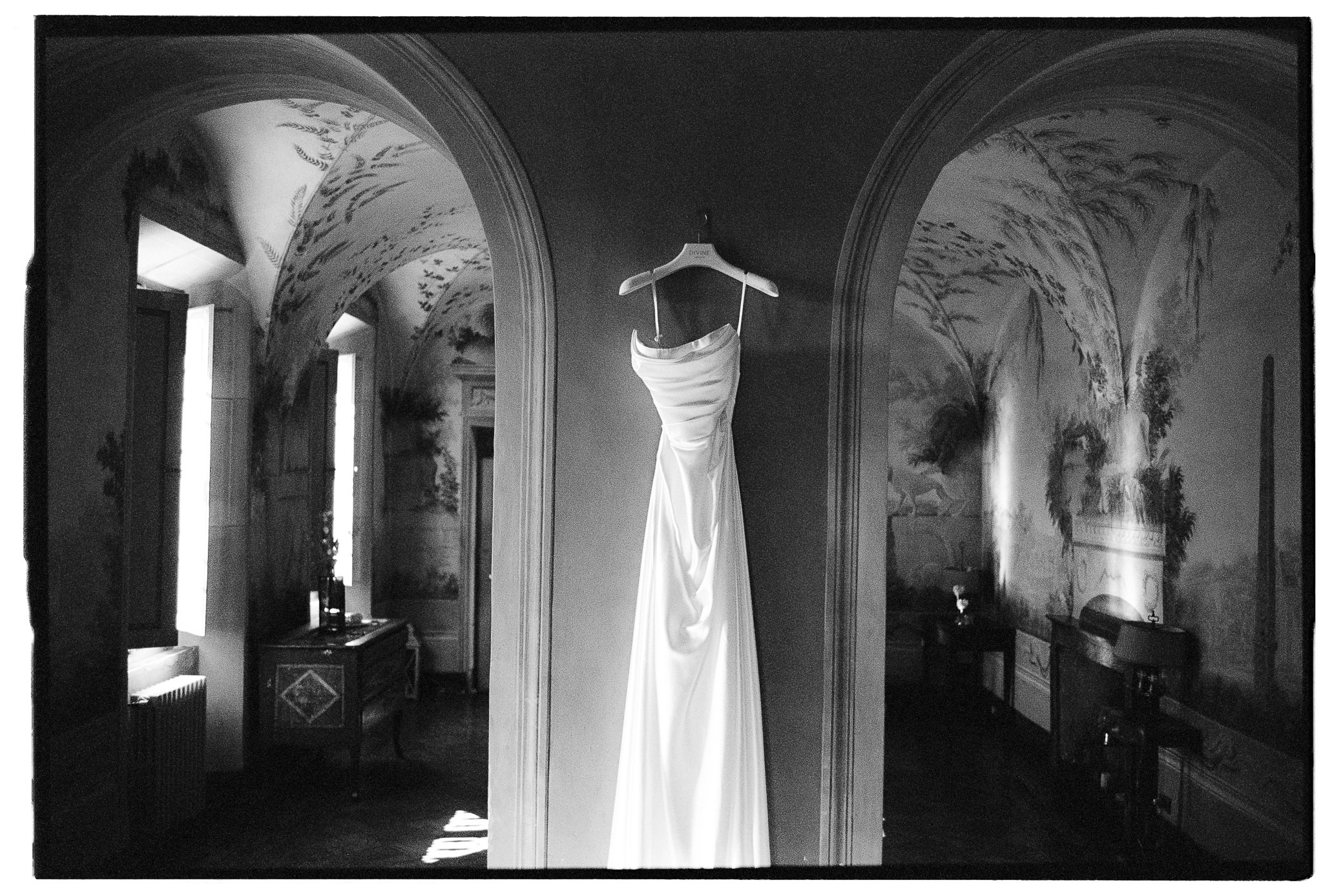
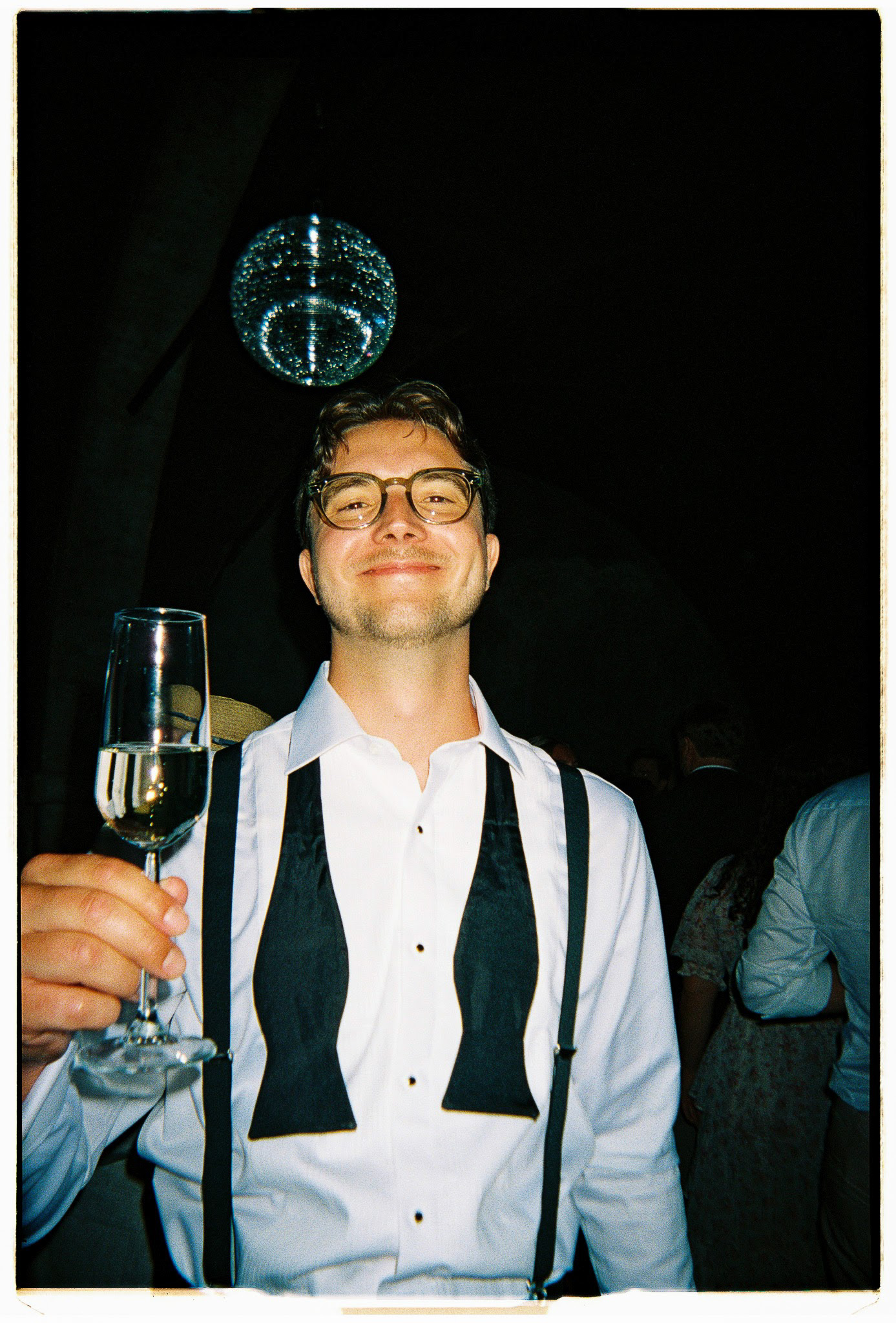
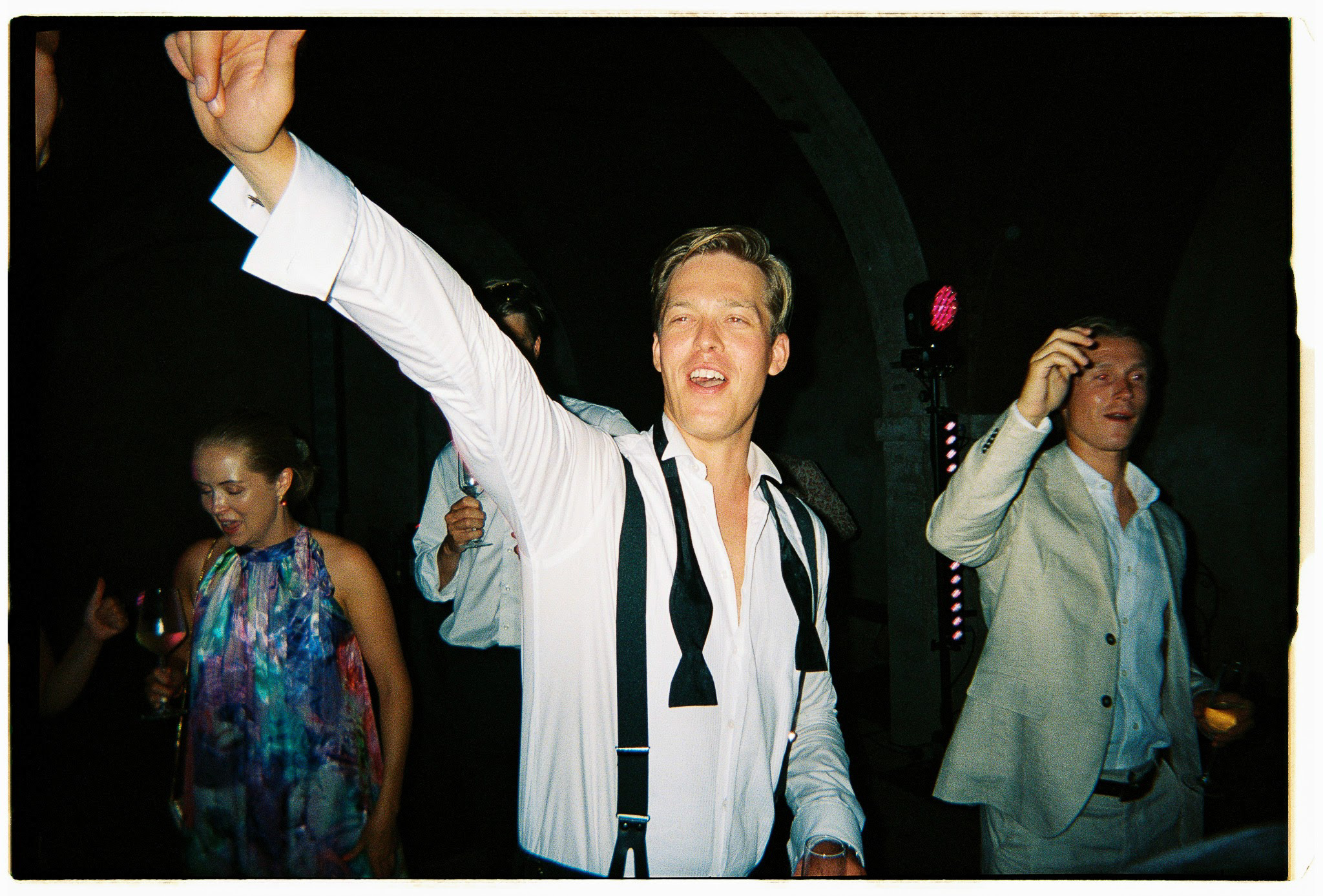
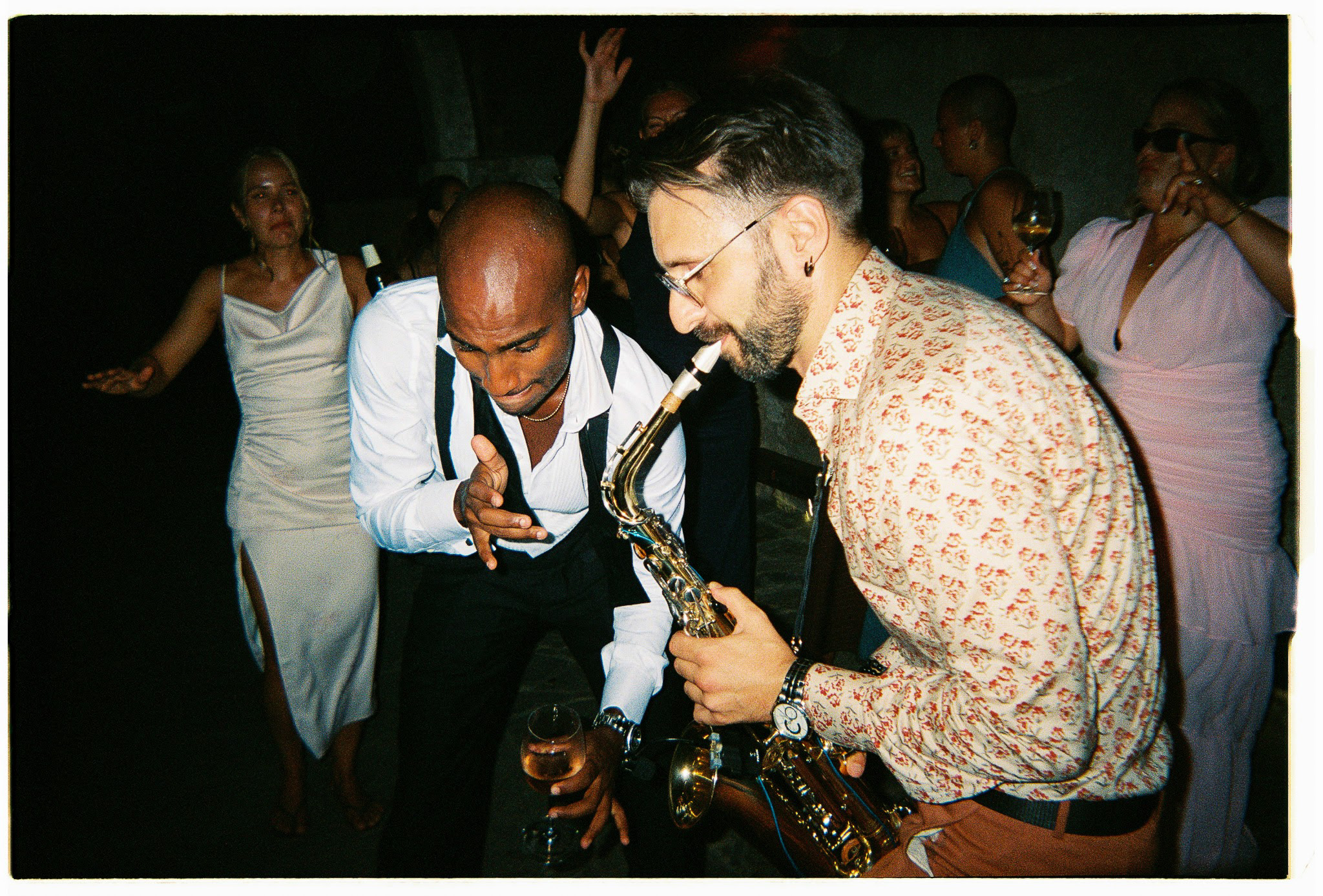
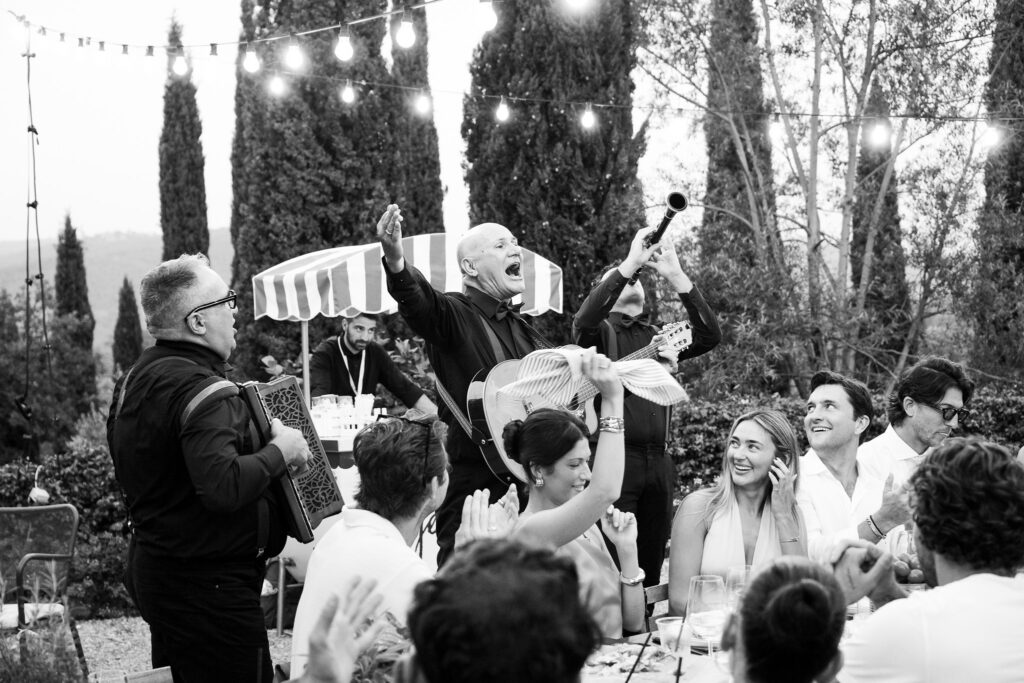
That limitation is part of what I enjoy about analogue wedding photography. Film has its own texture, colour and relationship with light, but I am less interested in using it simply to make a wedding look “vintage.” I want the medium itself to contribute to the memory. Grain, motion, flash, a slightly unexpected colour shift or the particular softness of a film photograph can give a gallery another layer that is difficult to reproduce simply by adding a preset to a digital file.
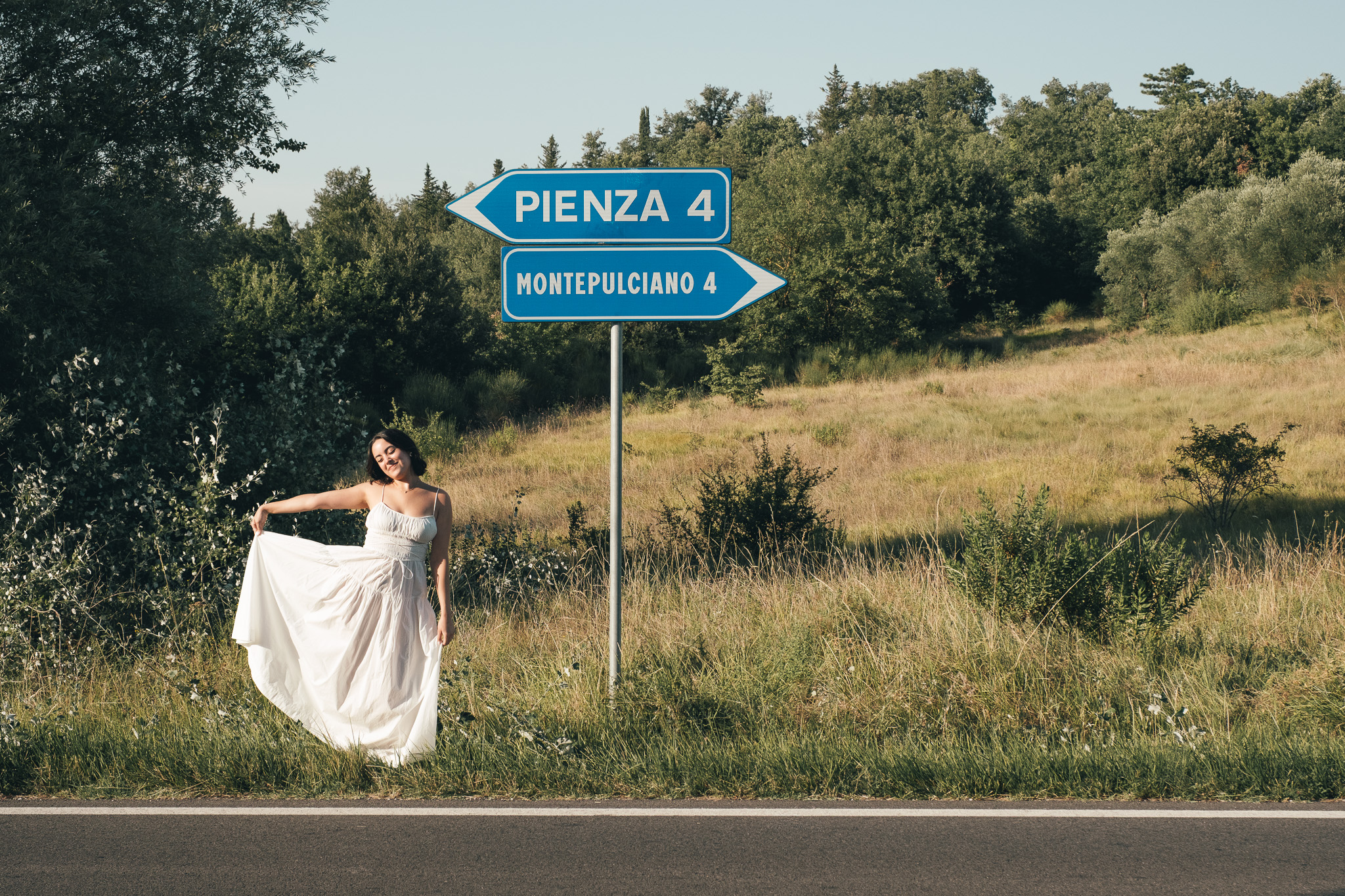
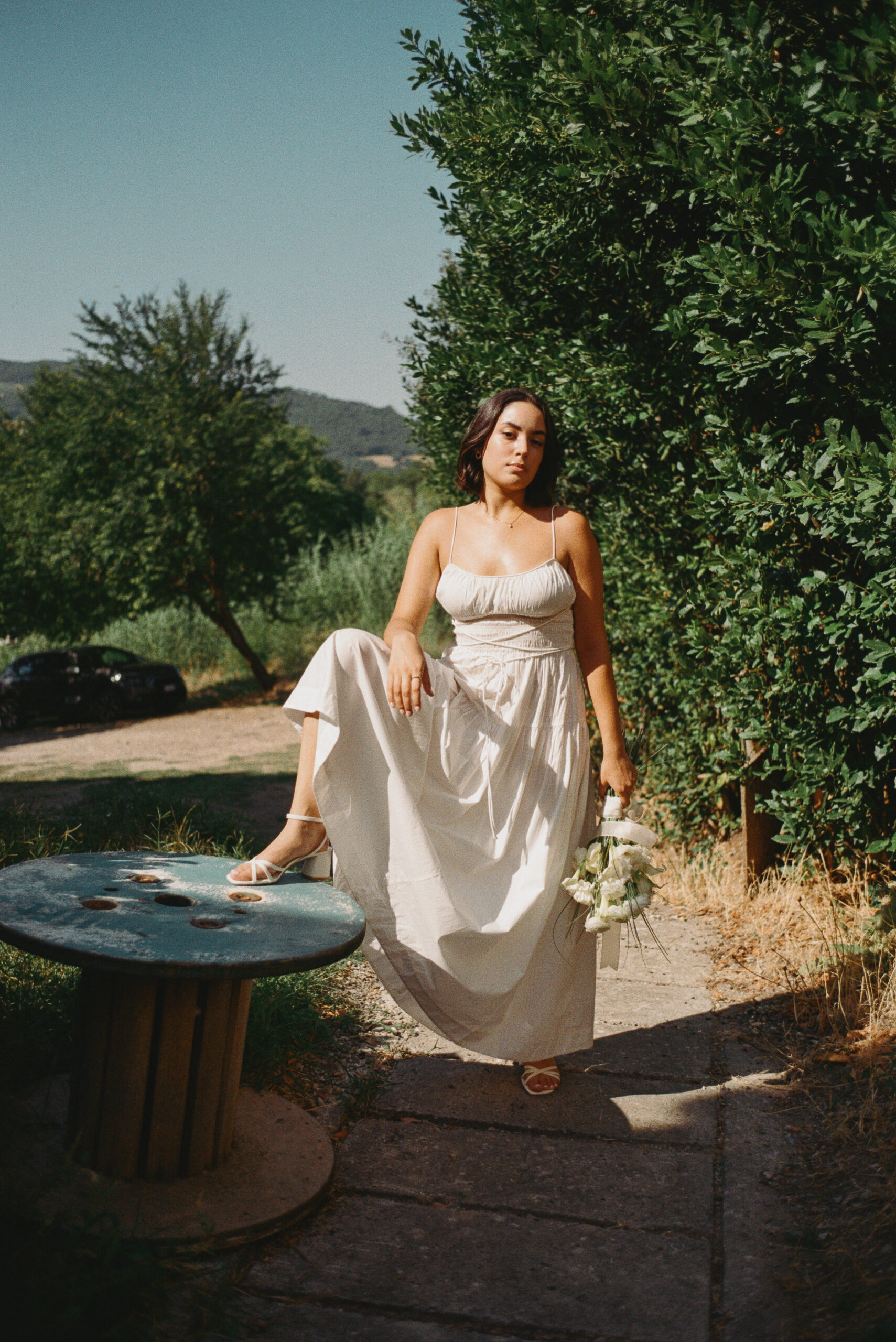
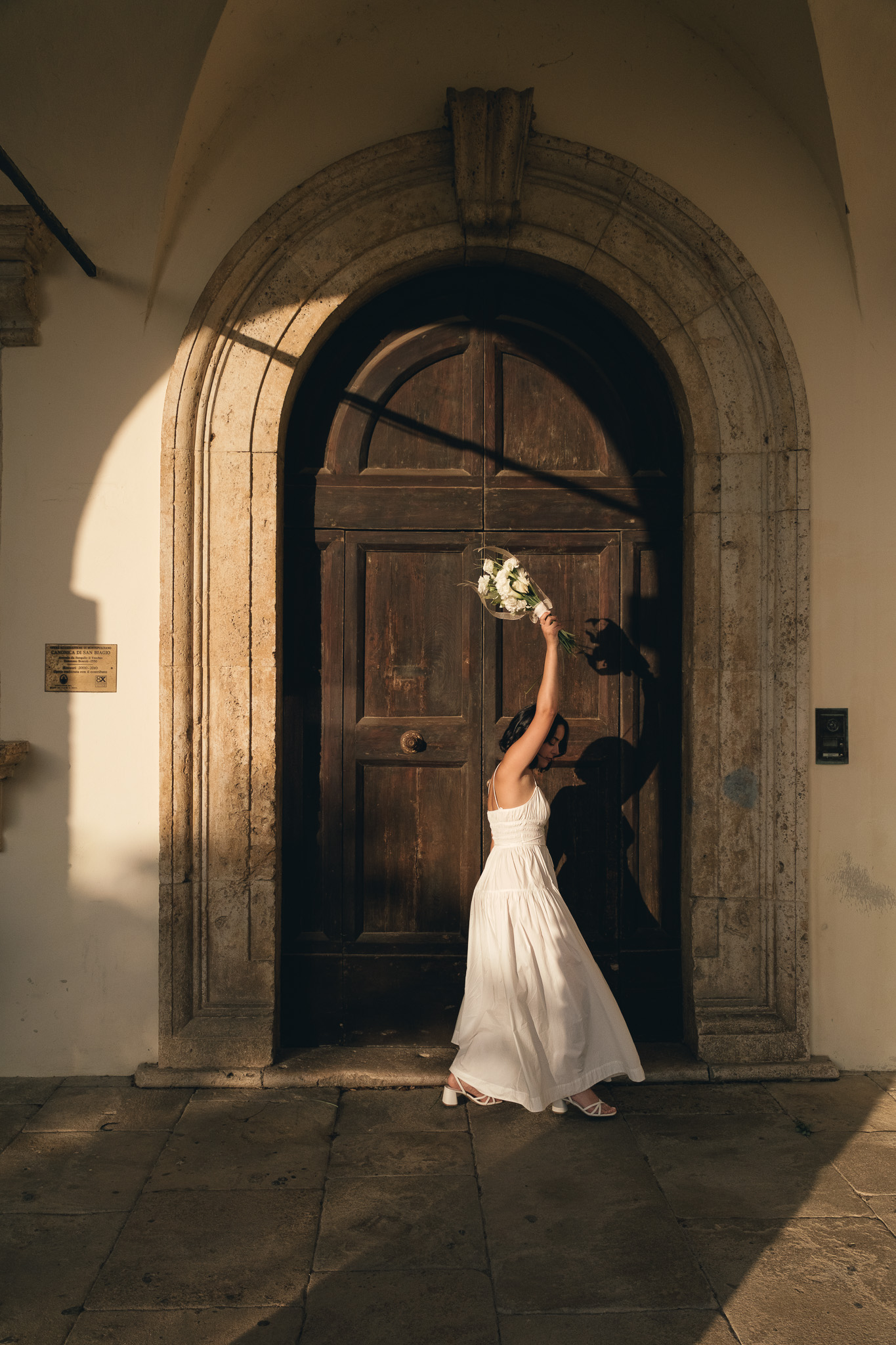
On a Val d’Orcia elopement, for example, I photographed both digitally and on 35mm while moving through places such as Pienza, Bagno Vignoni and Montepulciano. At one point I even handed my Leica to the bride, who loved film photography herself. Those small exchanges are part of what I enjoy about analogue photography: it slows things down enough to make the camera feel like part of the experience rather than just a machine recording it.
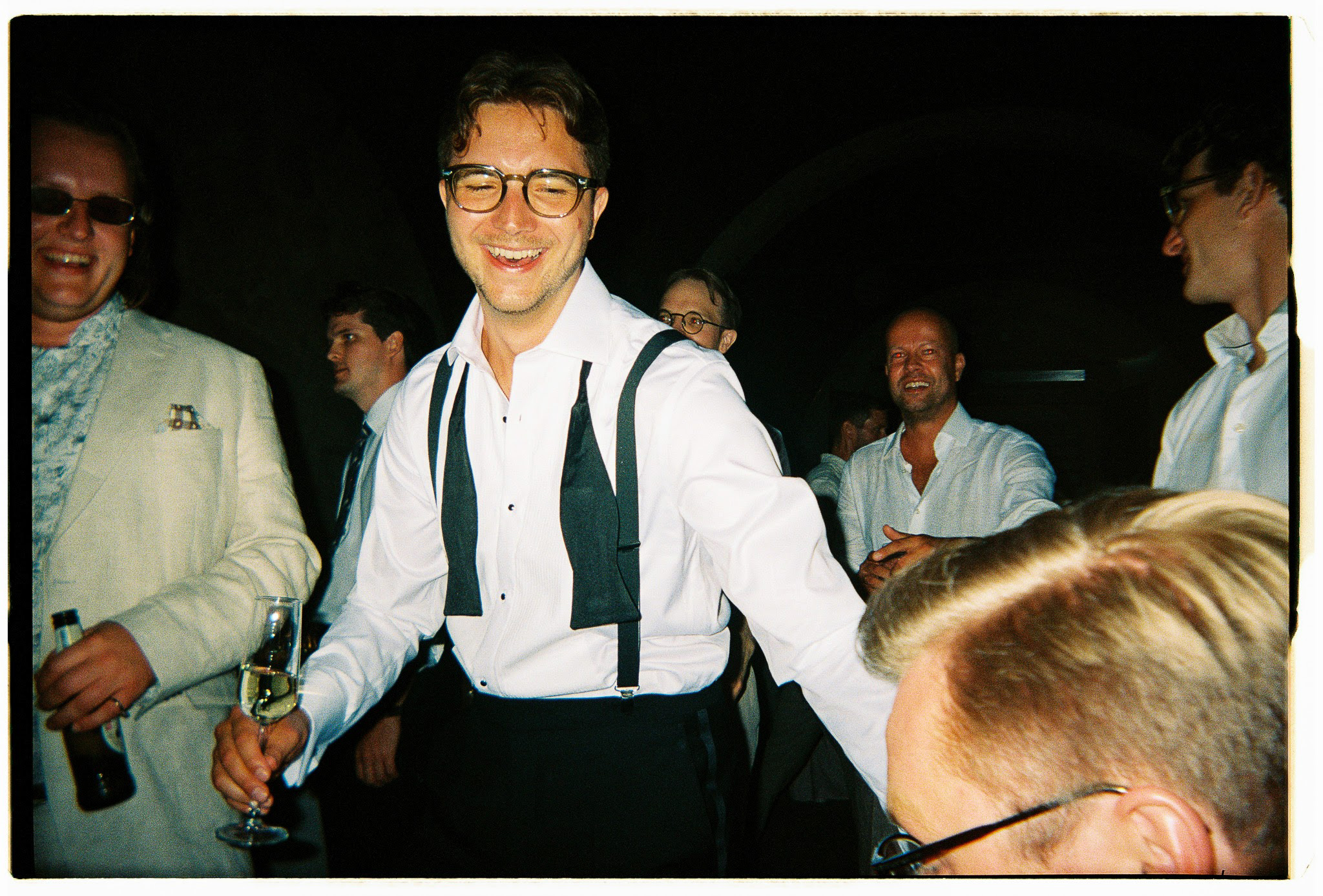
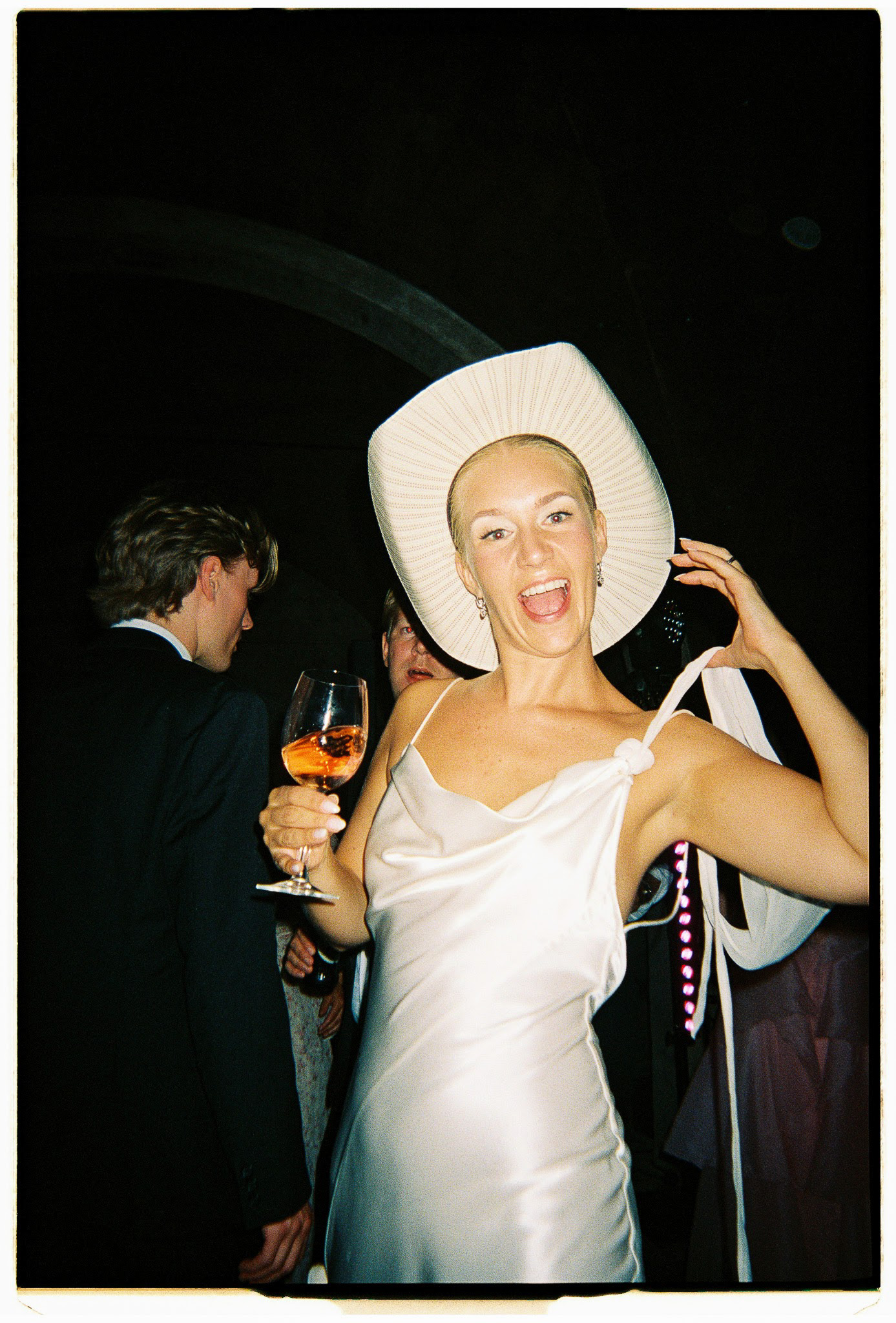
I sometimes photograph the quieter parts of a day on film and then use it much more aggressively when the party begins: direct flash, people moving through the frame, dancing, glasses, hands, faces appearing for a fraction of a second. Other weddings ask for something completely different. The point is not to follow a formula.
When couples choose a mixture of film and digital, the final gallery should still feel like one story rather than two unrelated photographers accidentally attending the same wedding.
Tuscany is a landscape, but a wedding is about people
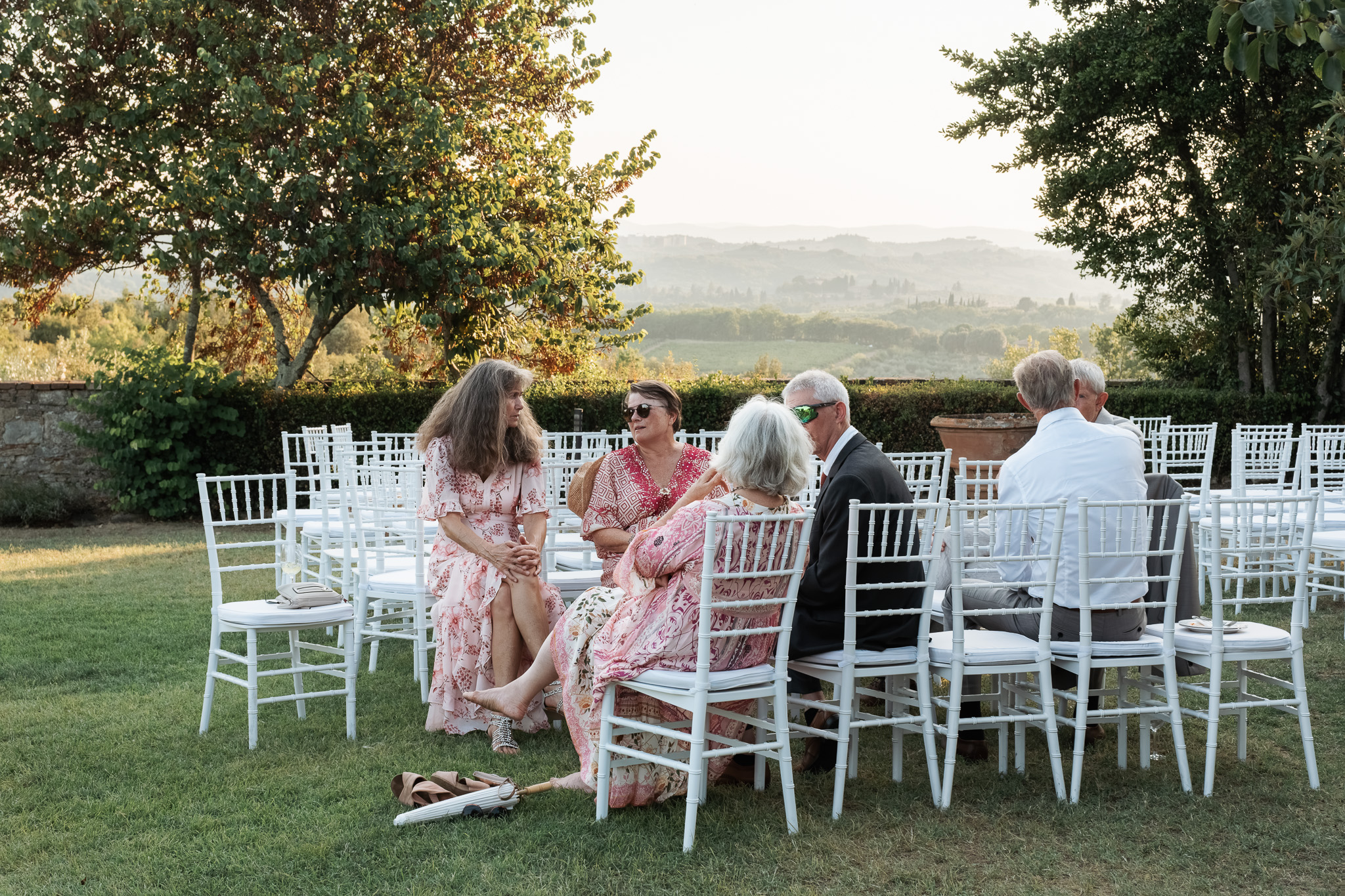
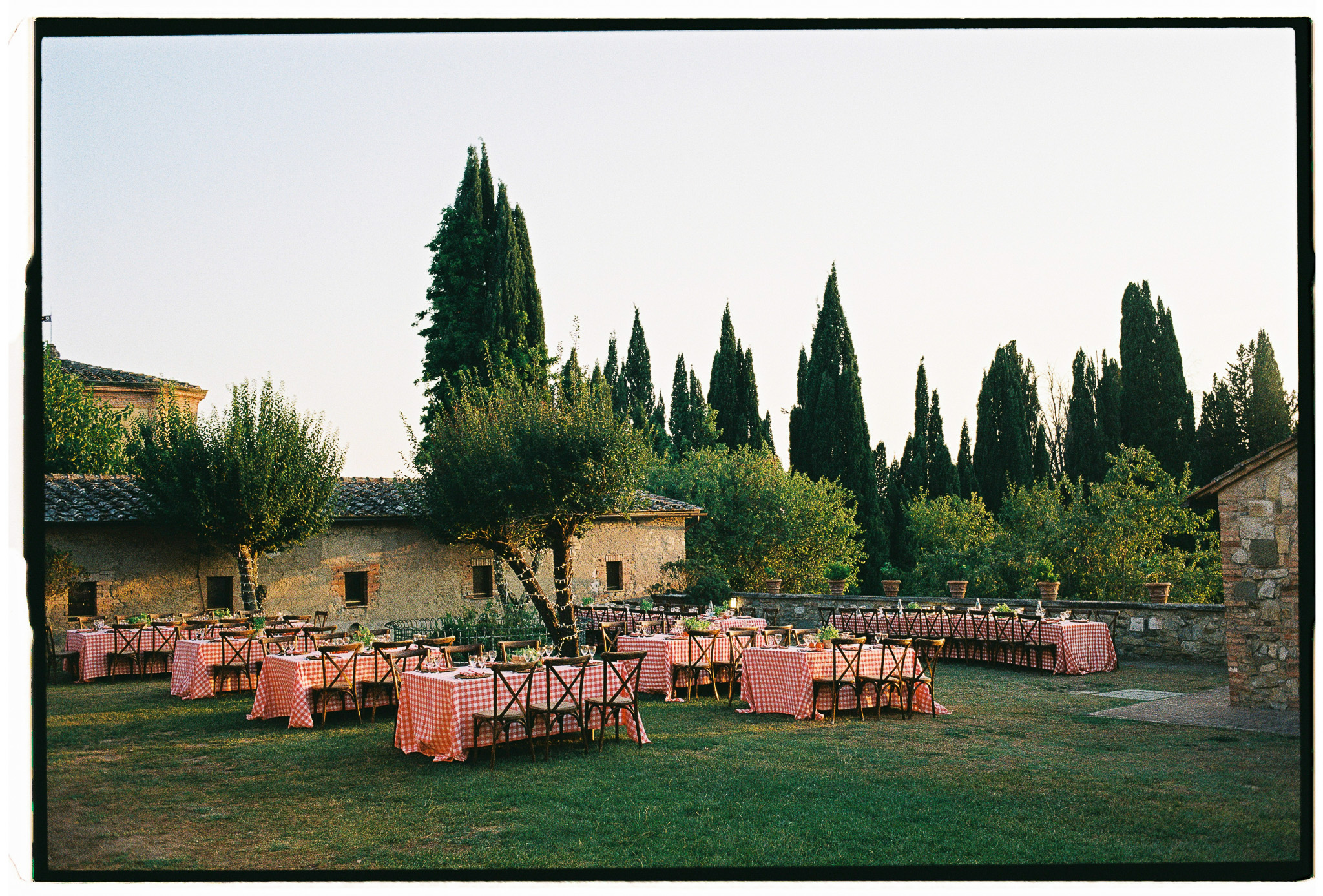
It is very easy to photograph Tuscany as scenery. Val d’Orcia has its rolling fields and long roads. Siena and the countryside around it bring stone, brick and centuries of architectural layers. Chianti changes again, with vineyards, woodland and villas hidden behind gates. Even within a single venue, the quality of light can change completely from one side of a building to another.
Knowing this matters. So does knowing that the famous soft Tuscan light does not remain politely soft for twelve hours simply because somebody booked a wedding.
A ceremony at four in the afternoon in July may involve sharp light and deep shadows. Old villas can have surprisingly dark interiors. Dinner may begin while there is still daylight and finish in near darkness. A photographer who works primarily with available light needs to understand when to embrace those changes, when to move slightly, when to use flash and when not to interfere at all.
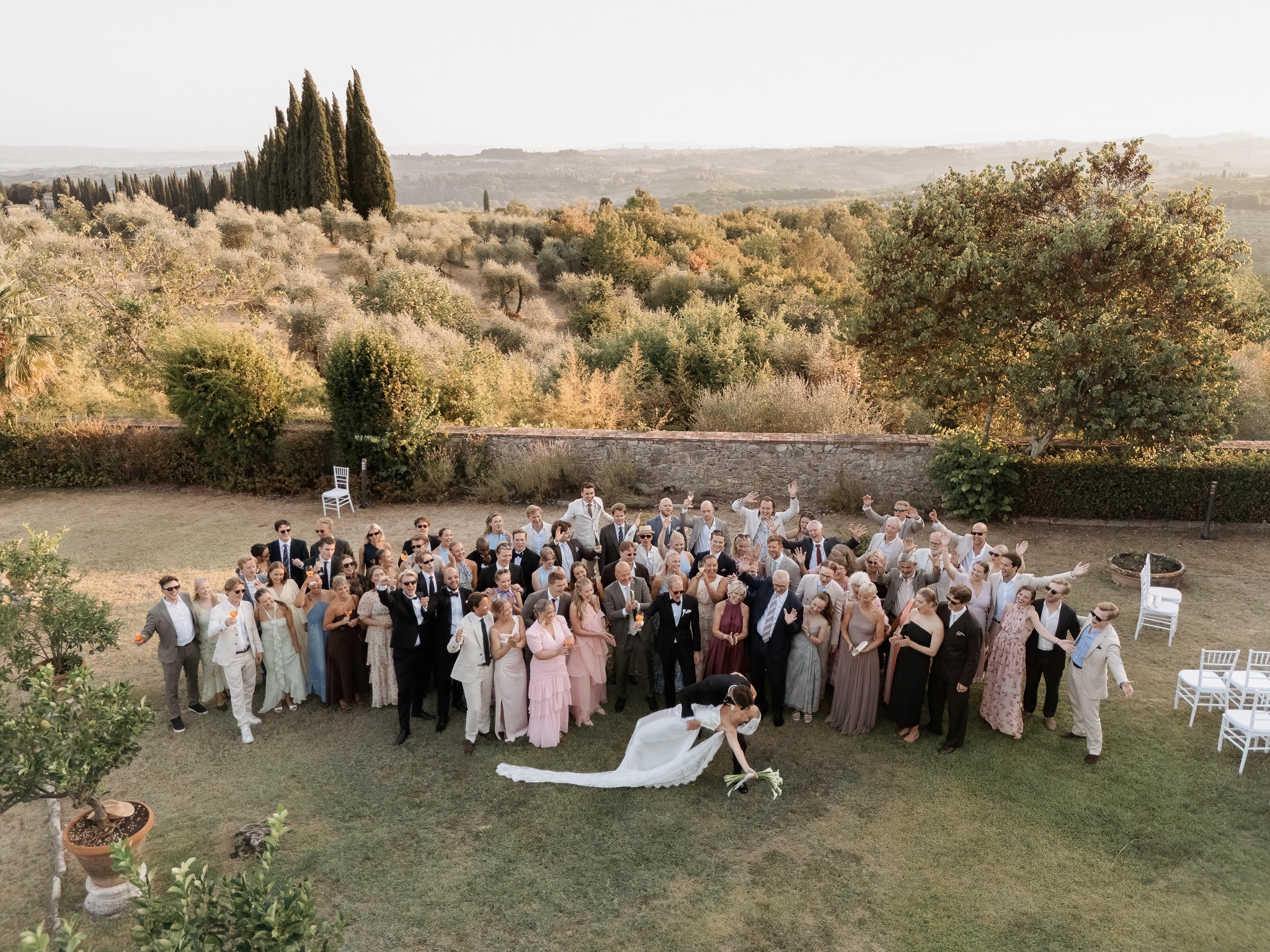
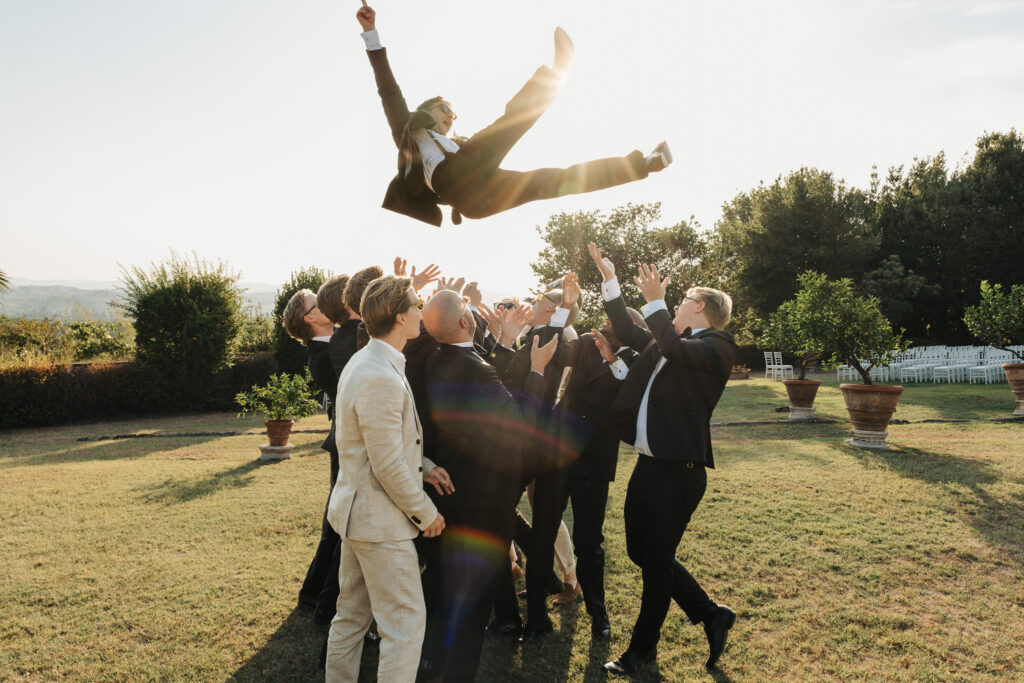
At Villa Catignano, for instance, the atmosphere could shift from historic interiors to a garden ceremony, dinner and a much louder party later in the evening. At Casa Cornacchi, a two-day celebration created a completely different rhythm. Tuscany gives you beautiful locations, but the photographs become interesting because of what people do inside them.
That is why I never want the landscape to become more important than the people.
If the bride is laughing with her sister while getting ready in a dark room, I am not going to interrupt them because there happens to be a more photogenic window two rooms away. If a conversation during aperitivo suddenly becomes interesting, I would rather photograph it than drag everyone towards the cypress trees because sunset is scheduled for 19:48.
The landscape gives the story a sense of place. It should not take the story hostage.
Do you need both film and digital?
Not necessarily. I love film, but choosing film should not become another wedding obligation alongside flowers, table plans and remembering which uncle cannot sit beside which cousin.
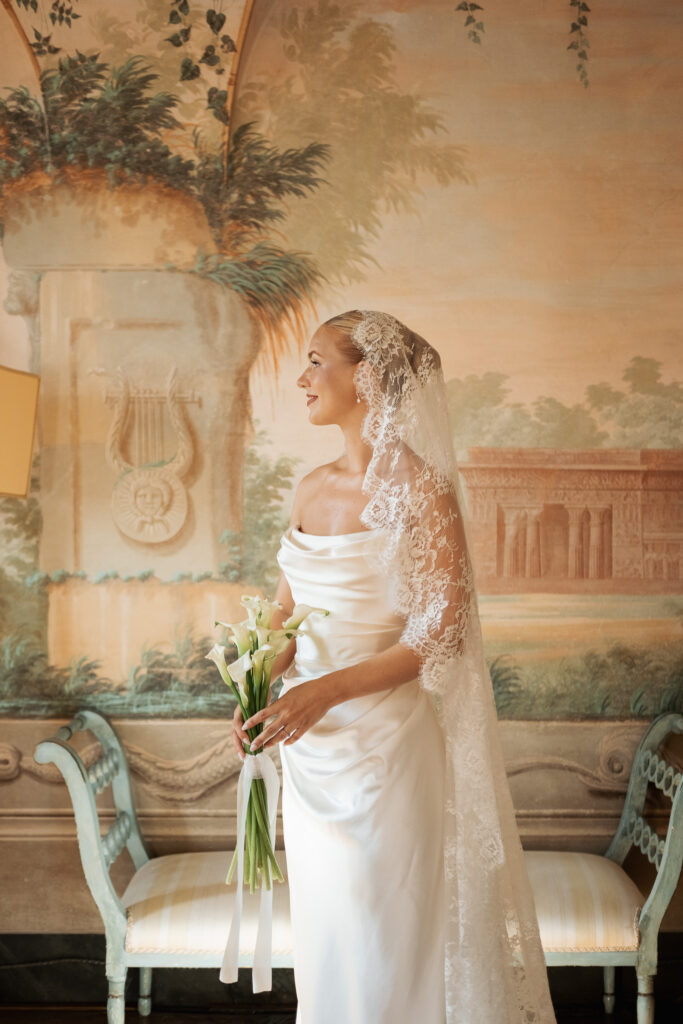
Digital-only coverage can tell a complete story. For couples who love analogue photography, however, adding 35mm film changes the character of the gallery in a way I find genuinely worthwhile. It creates another visual language within the same day, particularly for couples who are drawn to grain, imperfect movement, direct flash and photographs that feel a little less polished and a little more physical.
The best way to decide is to look at actual wedding photographs rather than photographs of film borders on Instagram. Look at how film behaves during preparations, ceremonies, dinner and parties. Look at skin tones, difficult light, movement and night photographs. Most importantly, decide whether you like the photographs themselves rather than the idea of being someone who likes film.
That last distinction can save everyone a great deal of money in Kodak.
Choosing a Tuscany wedding photographer
When looking through photographers, I would spend less time counting how many times somebody uses the word editorial and more time looking at whether the photographs feel observational, consistent and alive.
A portfolio naturally contains a photographer’s favourite images, but what matters is whether that photographer can observe for eight or ten hours, move through changing light, photograph family interactions, handle chaos, create portraits without consuming the afternoon and continue producing interesting photographs after sunset.
Look for consistency, but not repetition. You want to recognise the photographer’s eye without feeling that every couple has been inserted into exactly the same template.
If documentary photography matters to you, pay attention to photographs where nothing obviously spectacular is happening. A person waiting alone before the ceremony, two guests talking at dinner, a hand reaching for another hand, somebody laughing outside the main action: these images often reveal much more about a photographer than the obligatory portrait in front of the villa.
And if you want film, make sure the photographer actually photographs weddings on film rather than simply editing digital photographs to resemble it. Neither approach is morally superior, but they are not the same thing.
Photographing Tuscany without turning it into a postcard
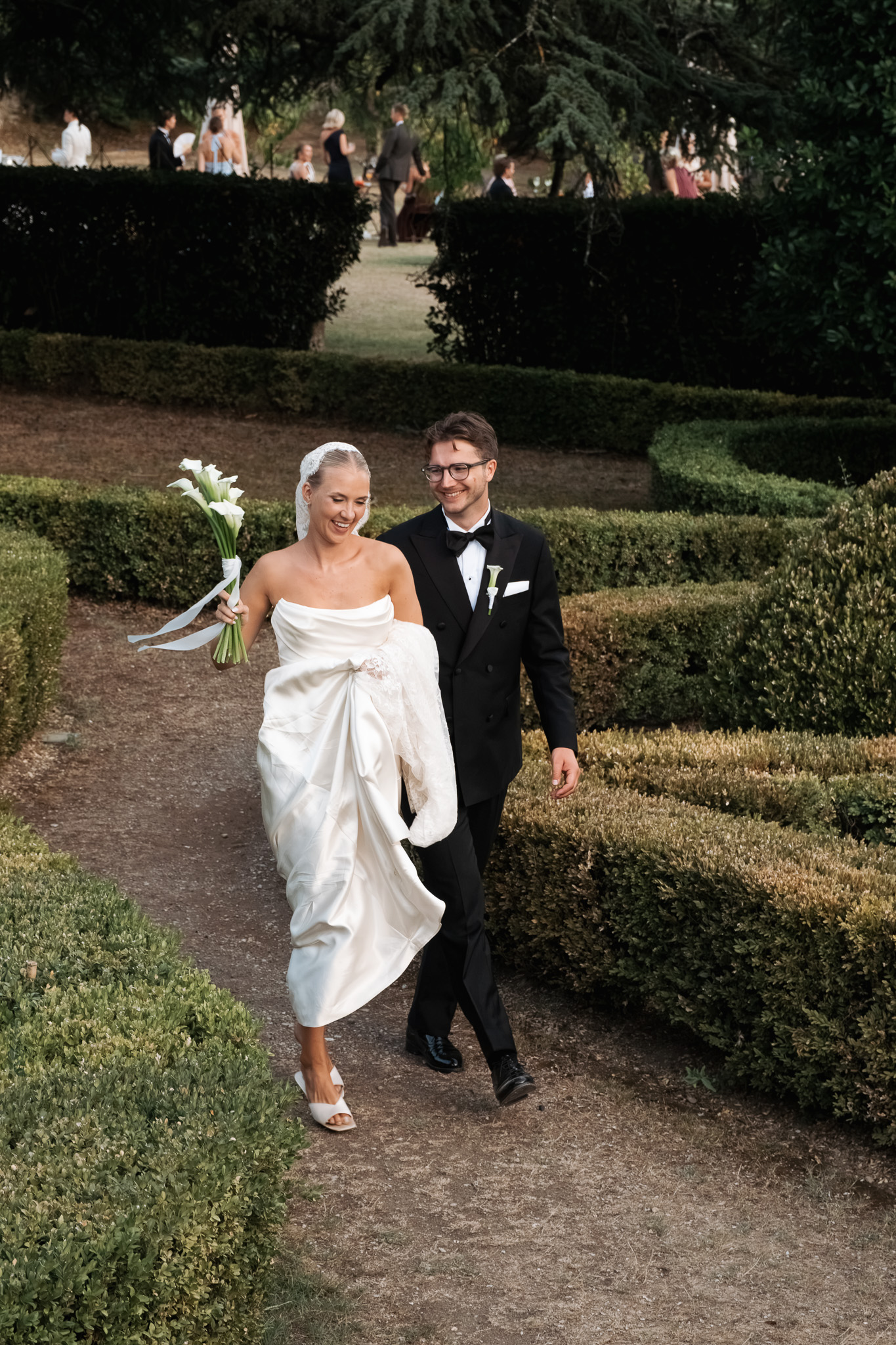
I have spent enough time photographing around Tuscany to know that the famous version of it—the cypress roads, vineyards, villas and golden hills—is real. What interests me more, however, is what happens when real people enter that landscape and temporarily make it theirs.
A wedding leaves traces for a few hours. Jackets end up on chairs. Wine glasses multiply. Somebody takes their shoes off. The perfectly organised dinner table becomes a very imperfect dinner table. People move from nervousness to relief and eventually, if the evening goes properly, to dancing badly.
Those changes are what I want to photograph.
So when I work as a Tuscany wedding photographer, whether the celebration is an intimate elopement in Val d’Orcia, a villa wedding outside Siena or a long weekend somewhere in the countryside, my intention is fairly simple: observe closely, interfere lightly and leave you with photographs that feel less like evidence of having married in Tuscany and more like evidence of what it actually felt like to be there.
I am based in Rome and photograph weddings and elopements throughout Tuscany and across Italy, working with digital photography, 35mm film and, when the story calls for it, medium format. If you are planning a wedding in Tuscany and prefer movement, real interactions and a little beautiful disorder to spending your entire afternoon posing for photographs, we will probably understand one another.
Frequently Asked Questions About Wedding Photography in Tuscany
How far in advance should we book a Tuscany wedding photographer?
For weddings in the main season, especially between May and September, booking around 12–18 months in advance is usually a good idea. Popular Saturdays can disappear considerably earlier, while elopements and weekday celebrations are often easier to accommodate at shorter notice. If you already have a venue and date, it is worth getting in touch even if the rest of the wedding is still taking shape.
Do you photograph Tuscany weddings on both film and digital?
Yes. I photograph weddings digitally and can also include 35mm film and medium-format photography. Digital gives me the speed and flexibility needed to document an entire wedding day, while film brings a different rhythm, texture and way of seeing. When both are included, I photograph them as part of the same story rather than treating the analogue photographs as a separate mini-session.
Is your style documentary or editorial?
My approach is primarily documentary, candid and reportage-based, although I also make portraits when they naturally fit into the day. I do not expect couples to know how to pose, and I prefer not to turn a wedding into a sequence of staged photographs. During portraits I might give a little direction regarding light or movement, but most of the day is photographed as it actually happens.
Do you travel throughout Tuscany?
Yes. I am based in Rome and photograph weddings and elopements throughout Tuscany, including Siena, Val d’Orcia, Florence, Chianti, Montepulciano, Pienza and the surrounding countryside. I have photographed everything from intimate elopements moving between Tuscan towns to full wedding weekends at countryside villas, so the coverage can be adapted to very different kinds of celebrations.
How many hours of photography do we need for a Tuscany wedding?
It depends on the structure of the day. For a traditional wedding with preparations, ceremony, aperitivo, dinner and dancing, eight to ten hours usually gives the story enough space to develop without constantly watching the clock. Smaller weddings and elopements can require much less. I prefer to look at the actual schedule before recommending coverage rather than automatically suggesting the longest package.
Do we need a second photographer?
Not always. I photograph many weddings alone, particularly smaller and more intimate celebrations. A second photographer becomes useful when there are many guests, when both partners are getting ready in different places, or when you want simultaneous coverage from different perspectives. For larger weddings, it can also mean more photographs of guests and all the smaller things happening away from the main action.
What happens if the weather is bad?
Tuscany is famous for sunshine, but it occasionally ignores its own marketing. Rain does not mean the photographs suddenly stop working. Old villas, covered terraces, streets, interiors and changing weather can all become part of the story. I usually work around the conditions rather than trying to recreate a sunny-day plan in the rain, and if there is flexibility in the schedule we can use it to our advantage.
How Does It Work?
- Contact me and then let’s schedule a call so we get to know each other by talking about your needs and my services in detail.
- Once we agree on terms I send you a confirmation email and ask you to pay the first half of the total agreed amount so I fix the date.
- You have fun and I take care of the rest with my camera.