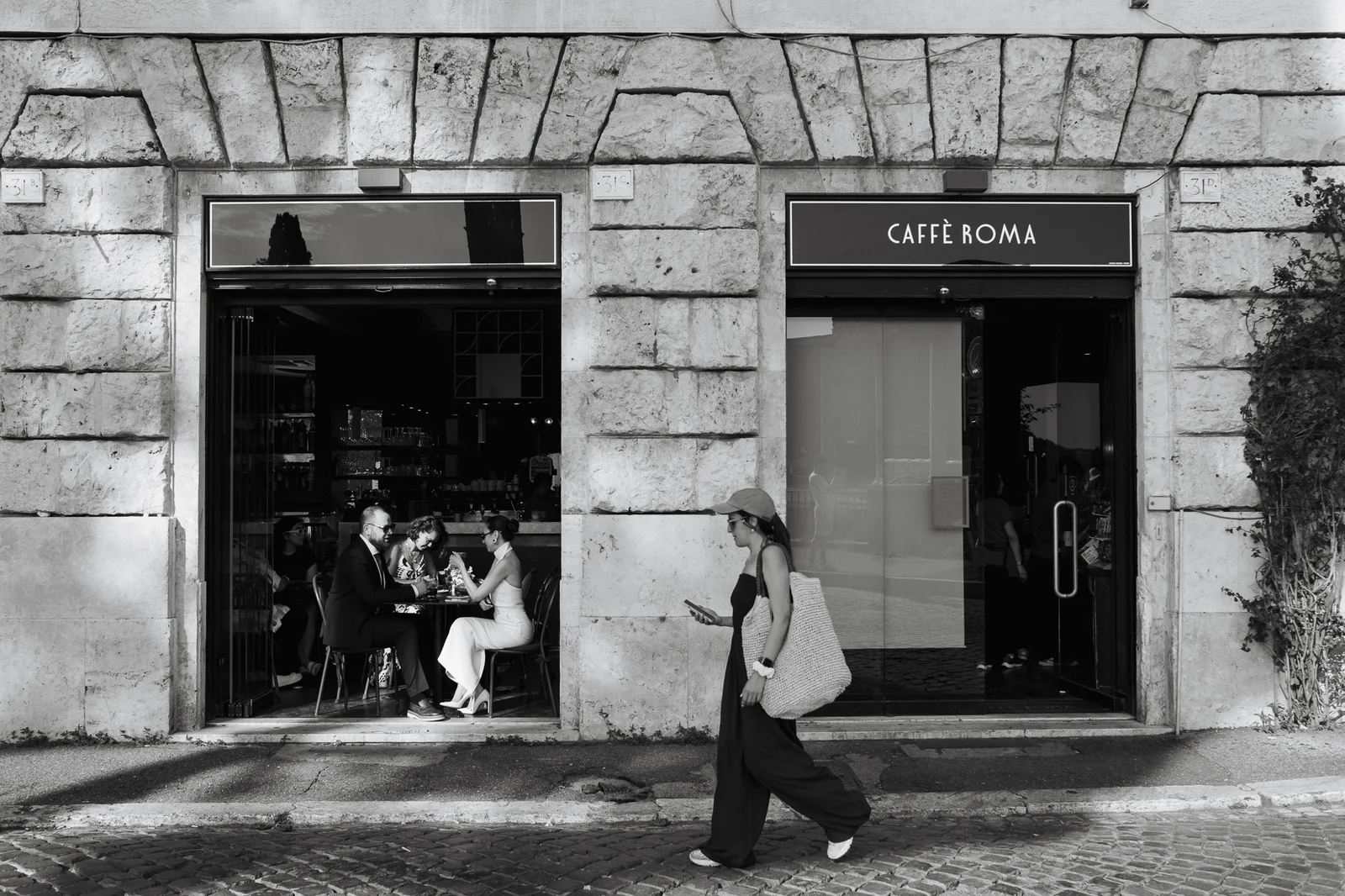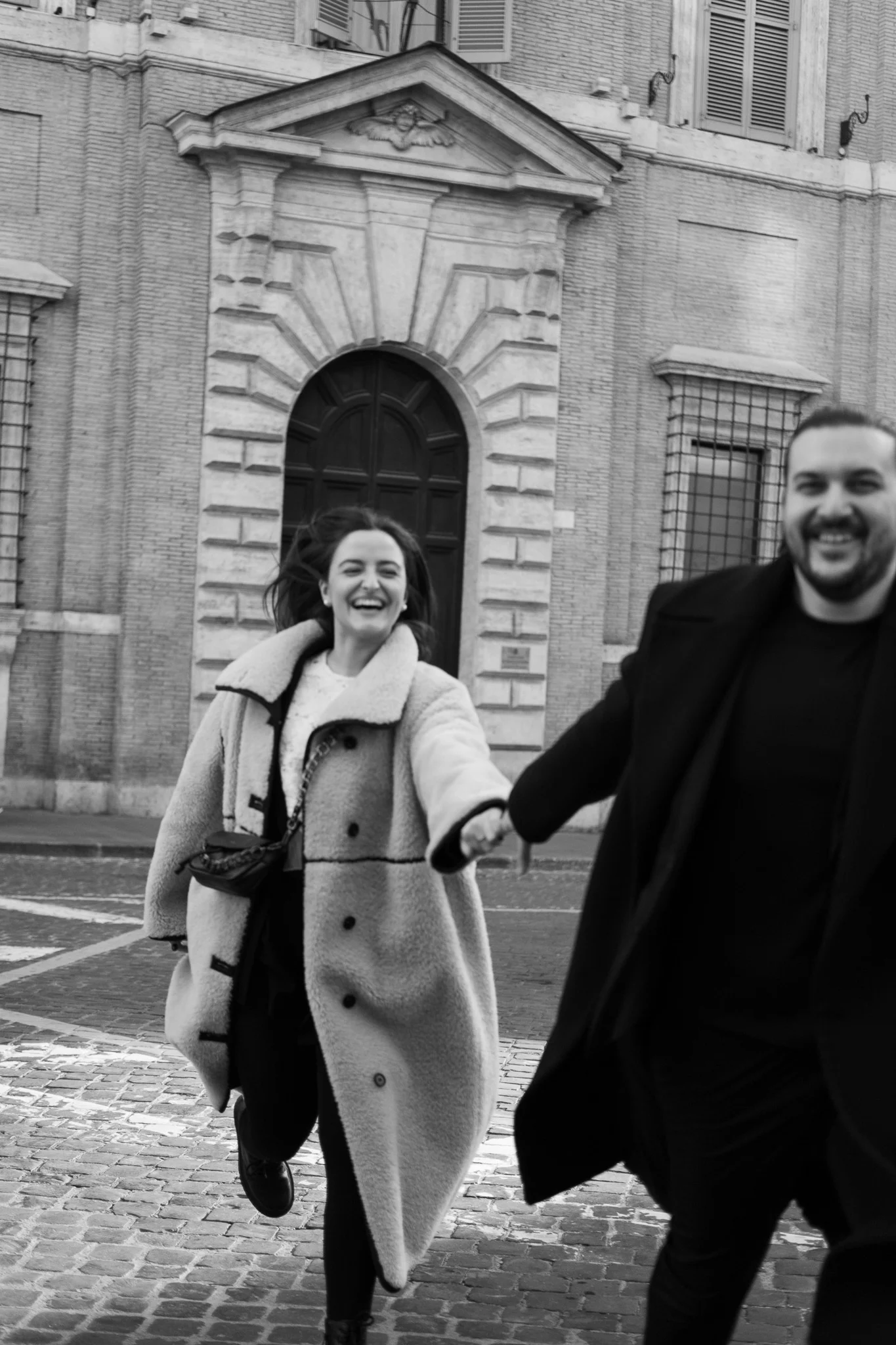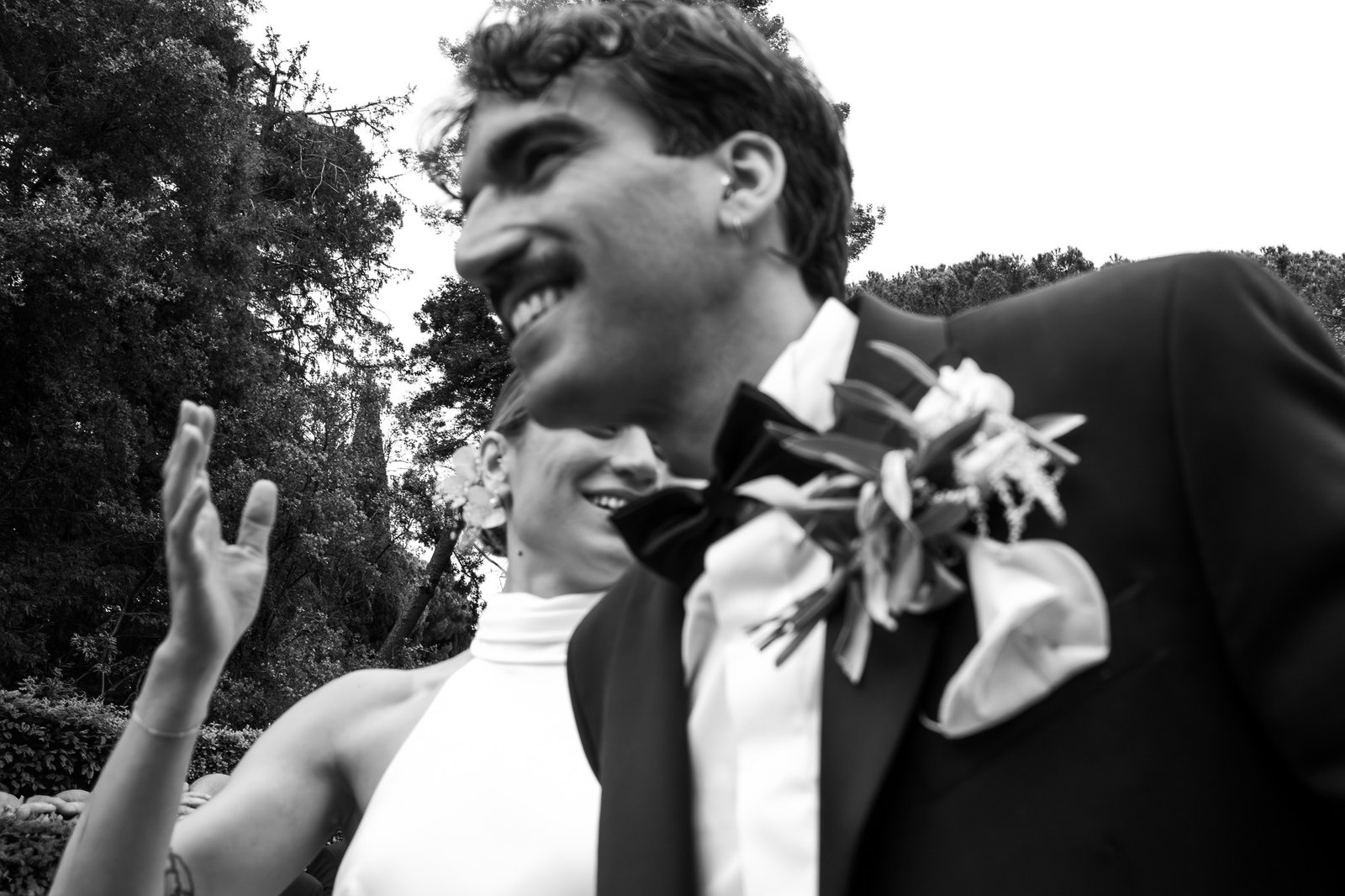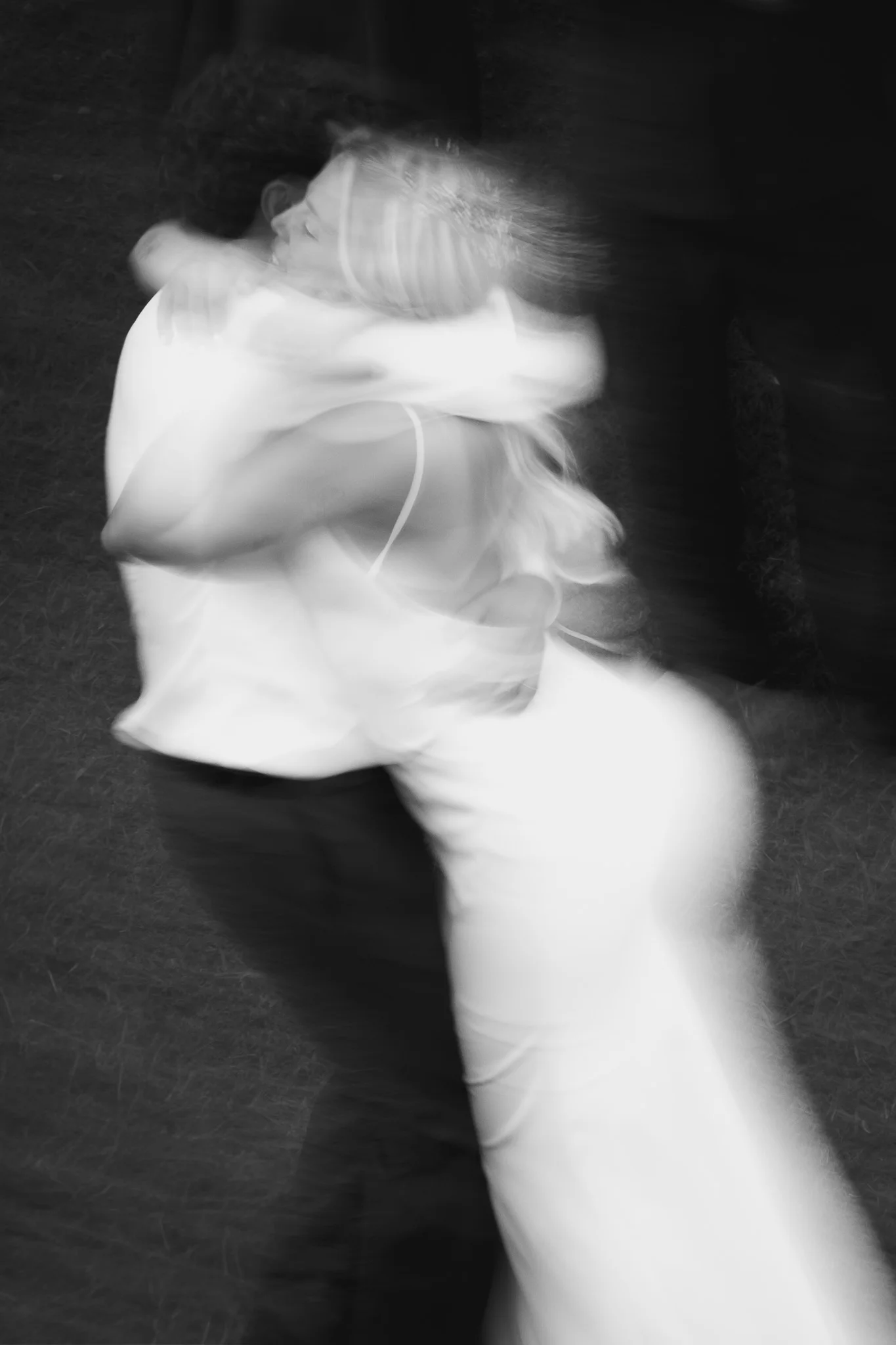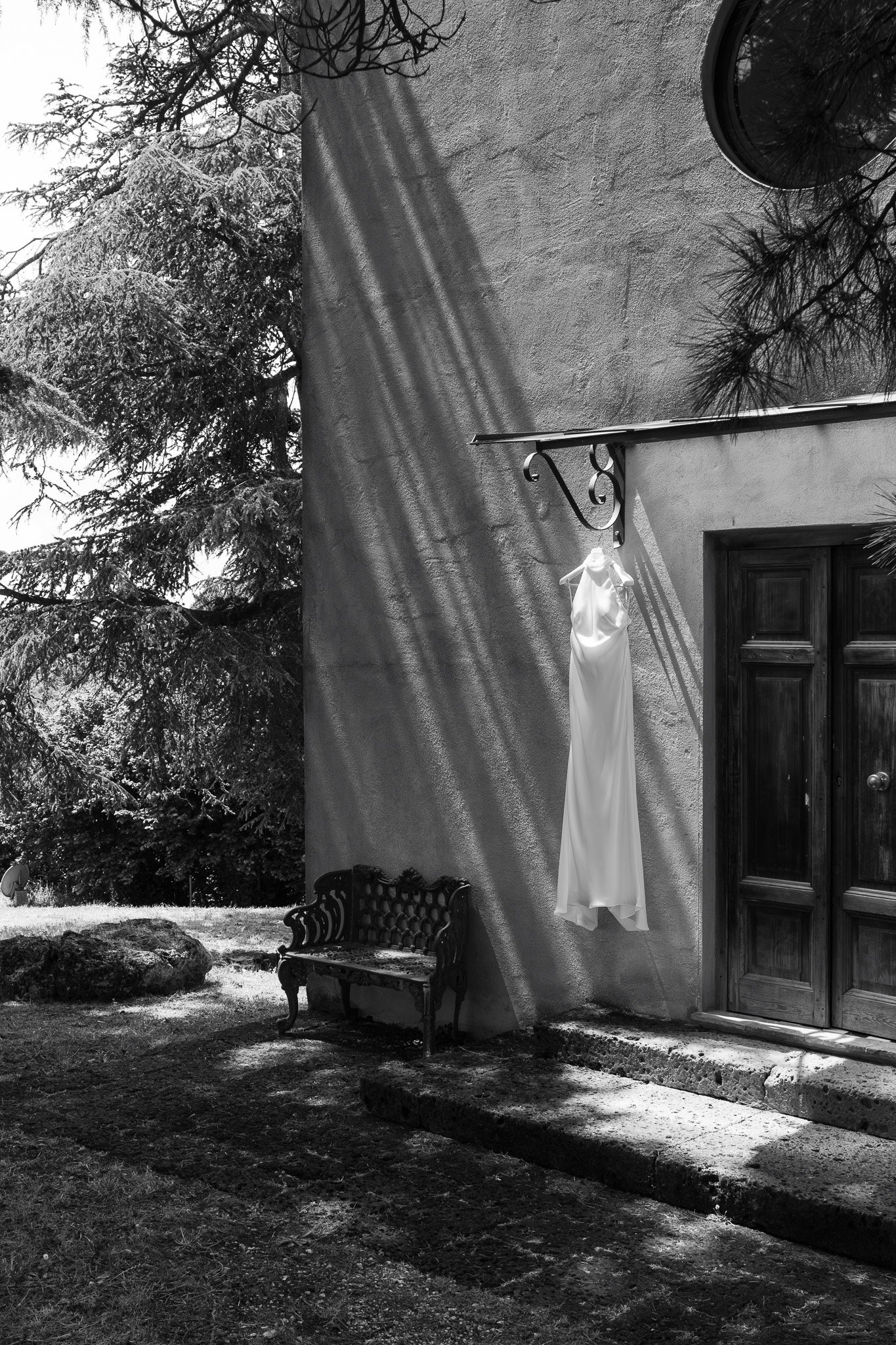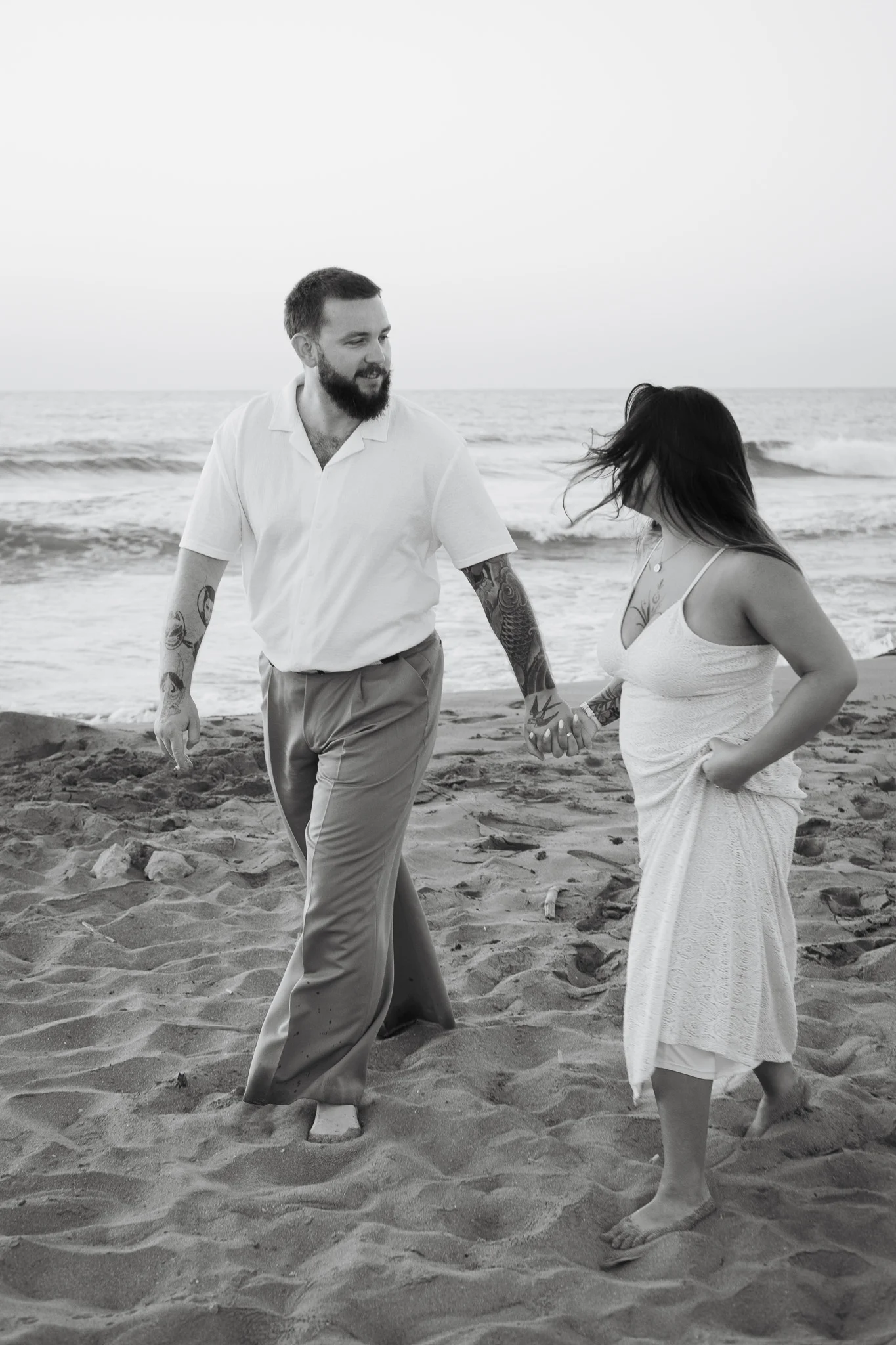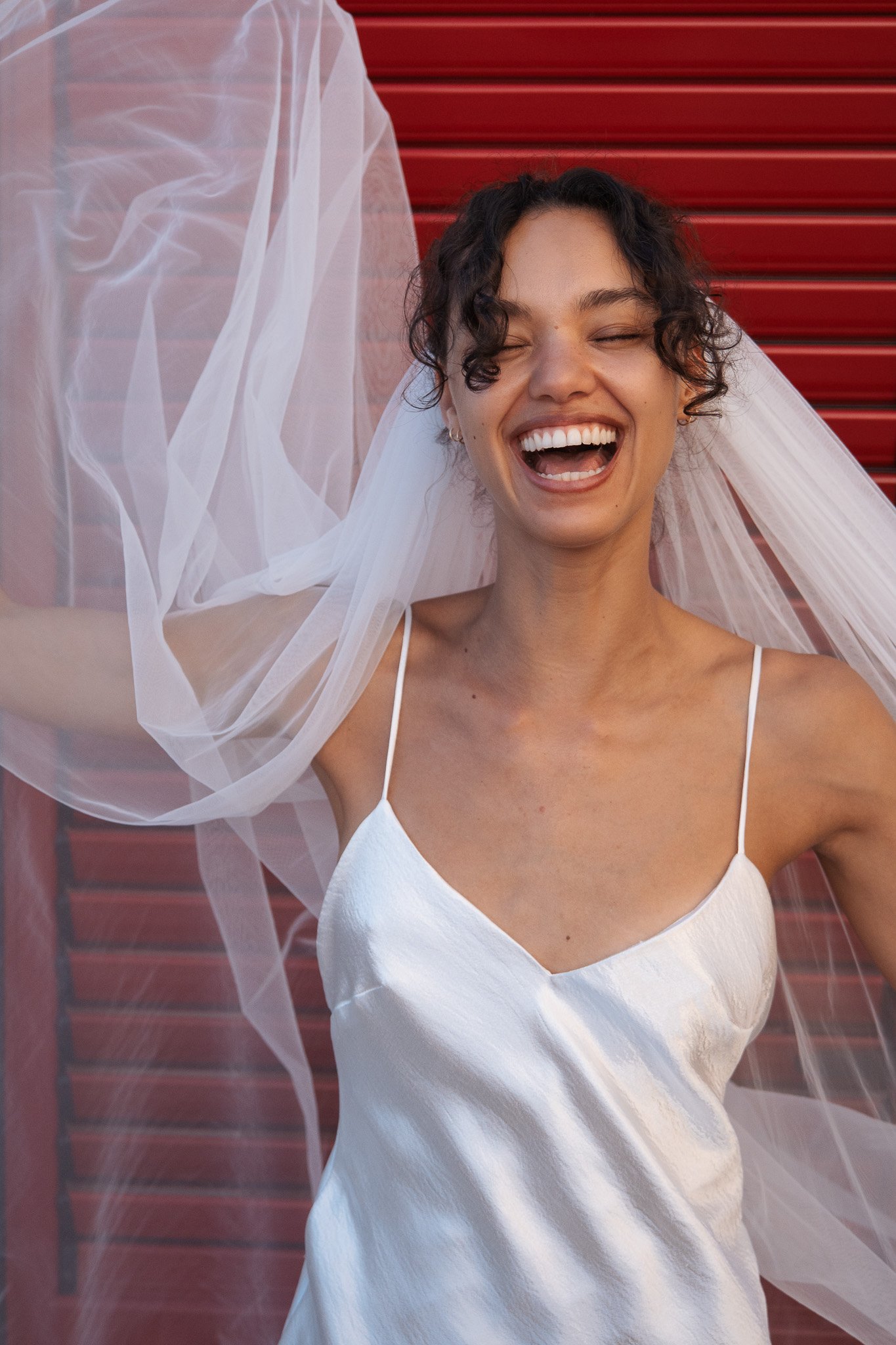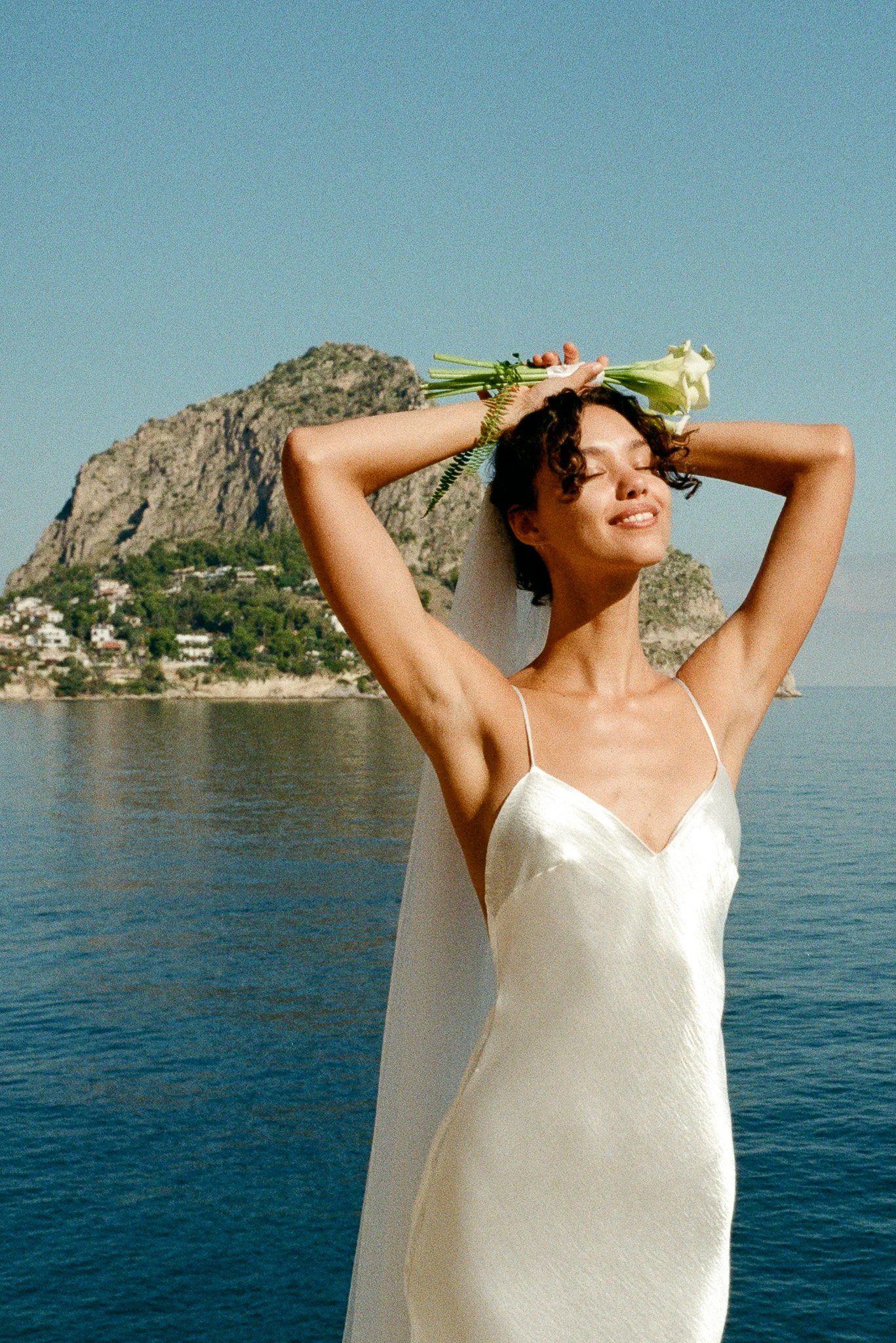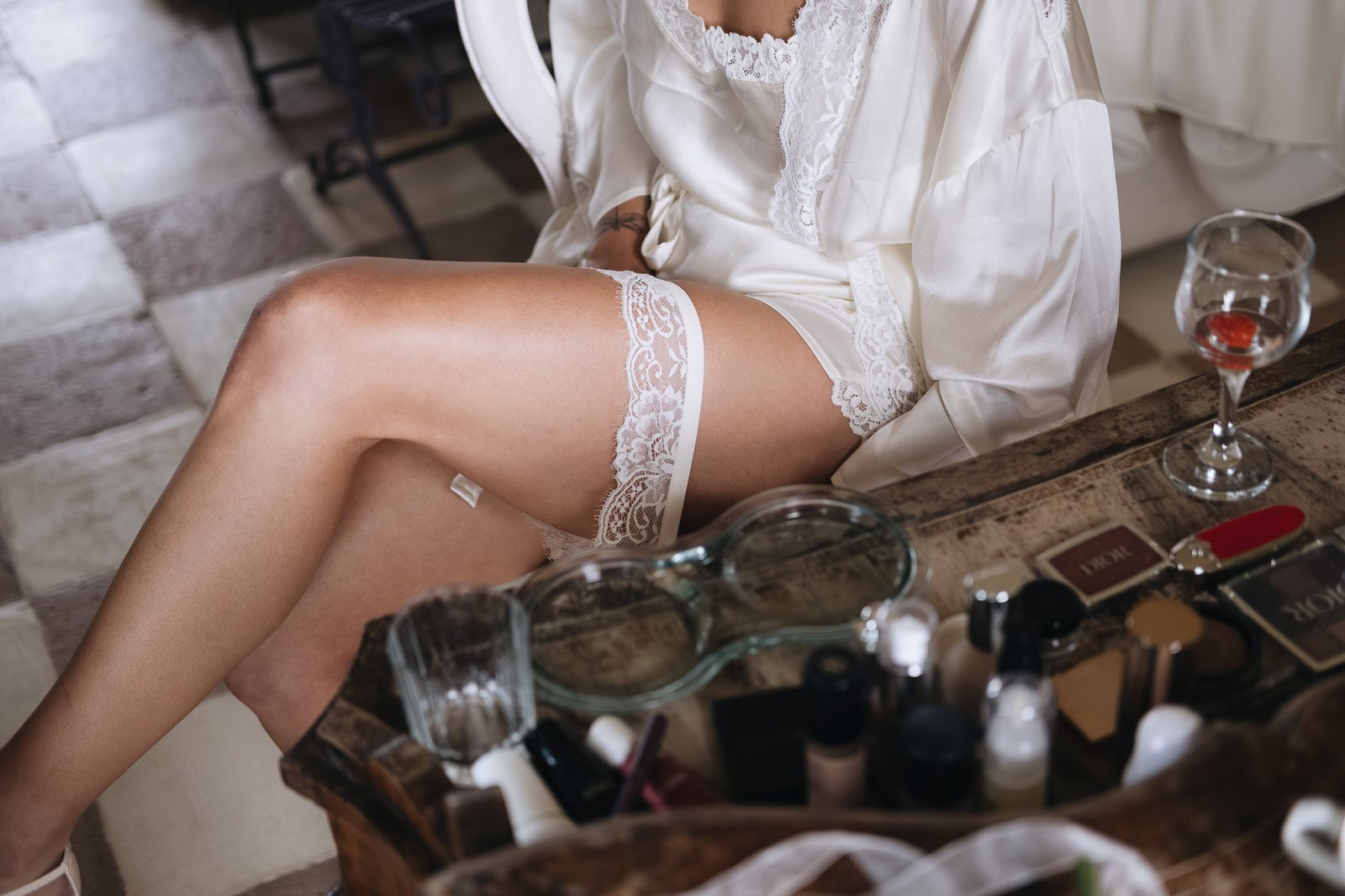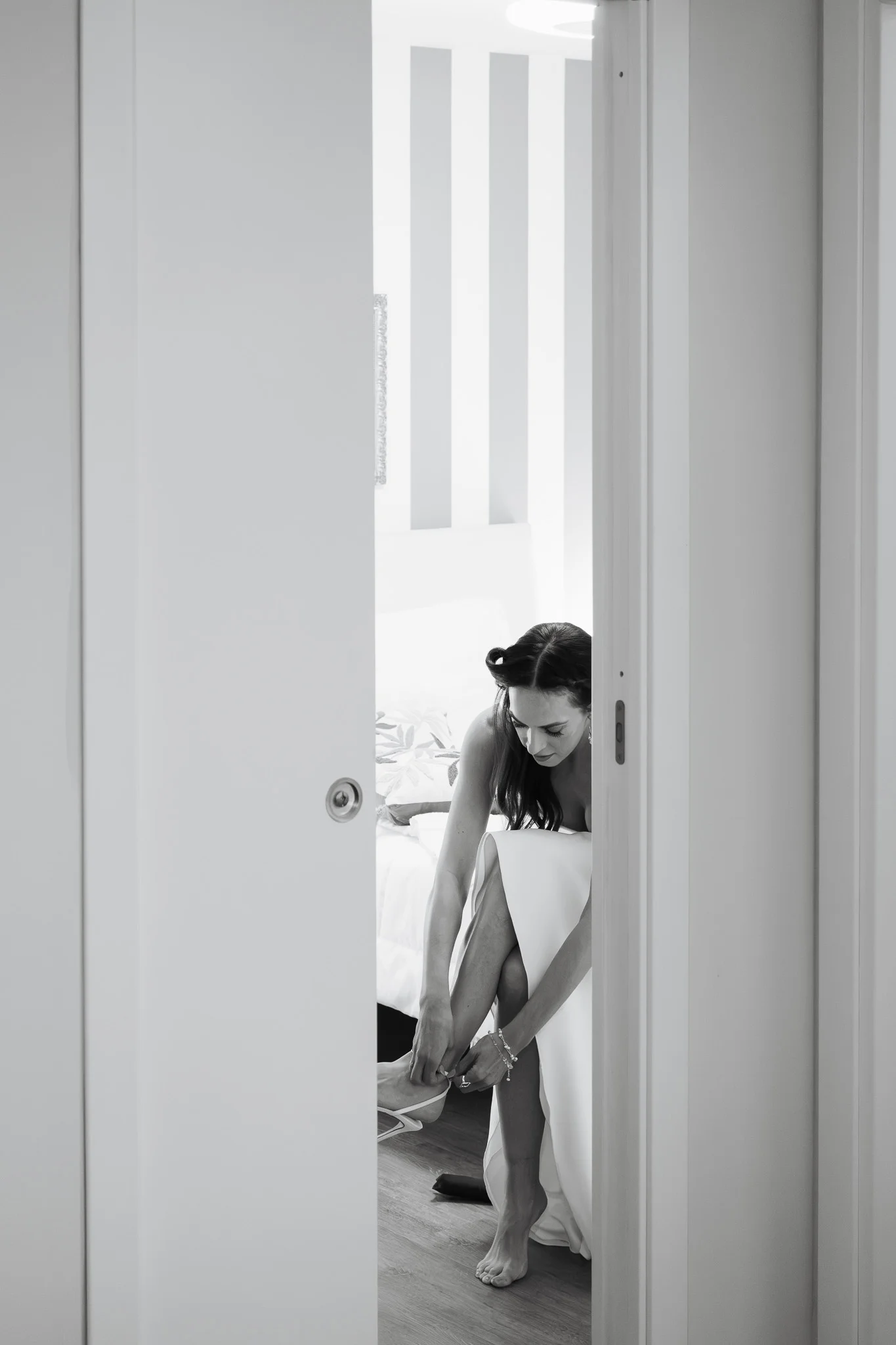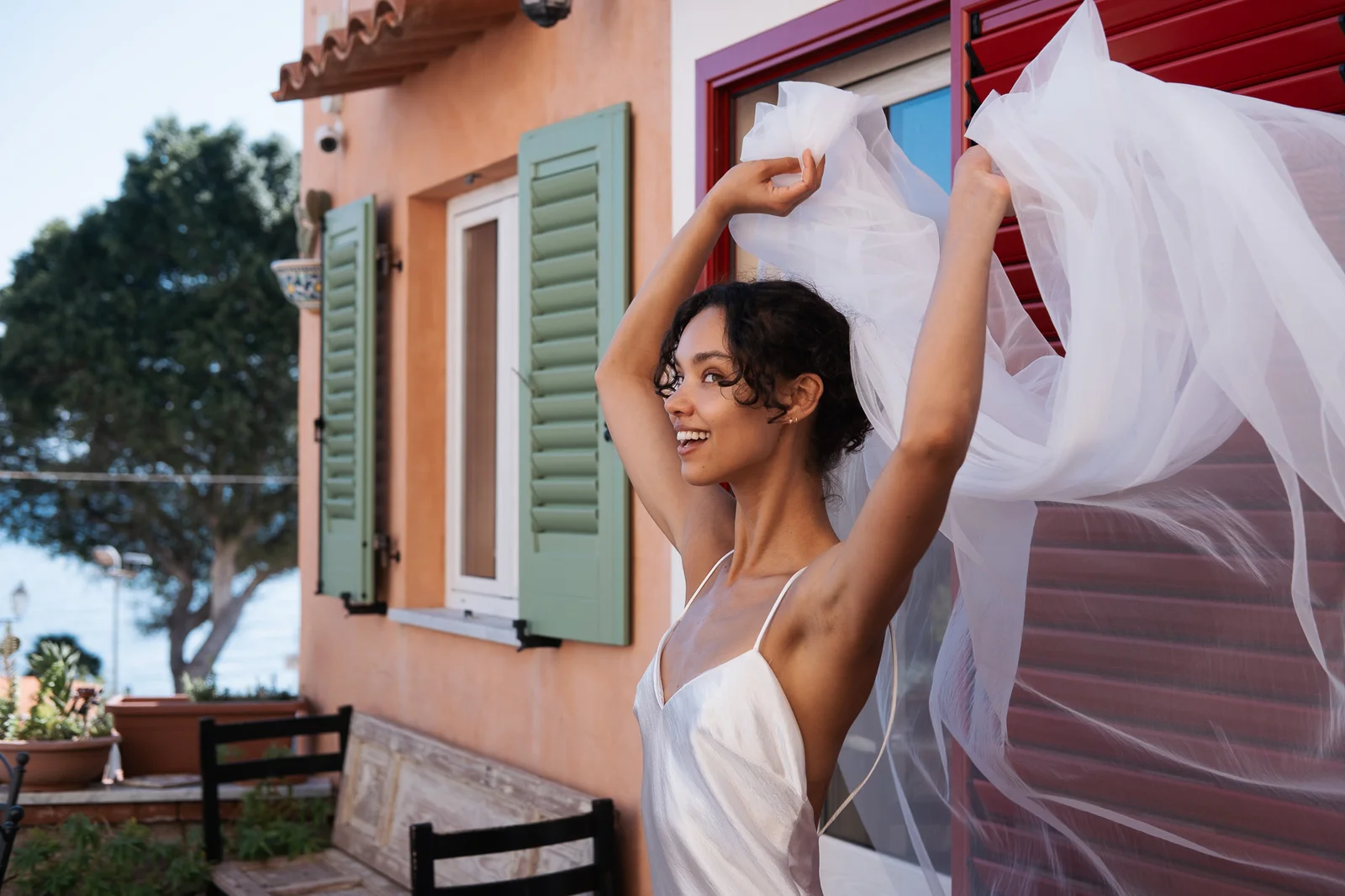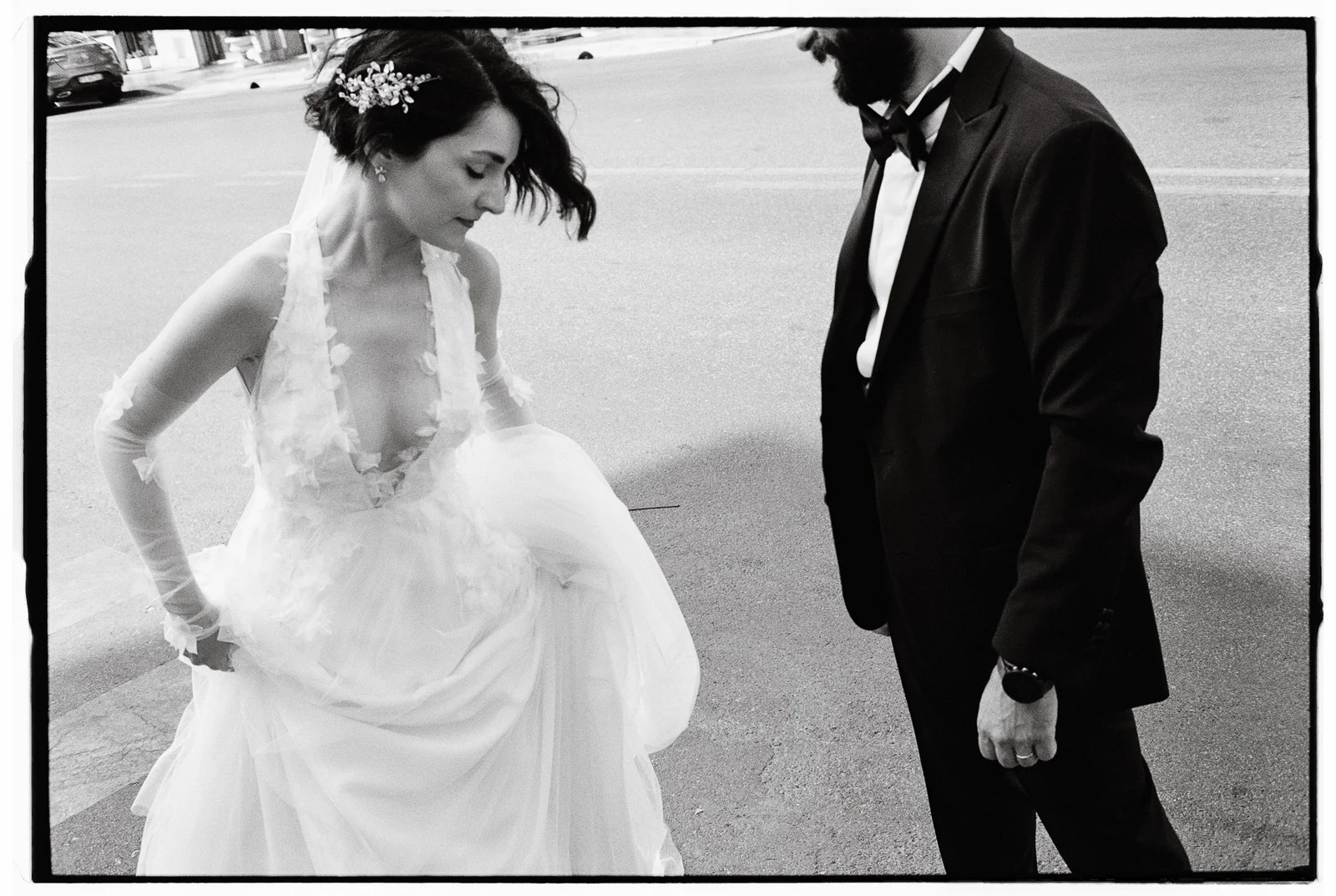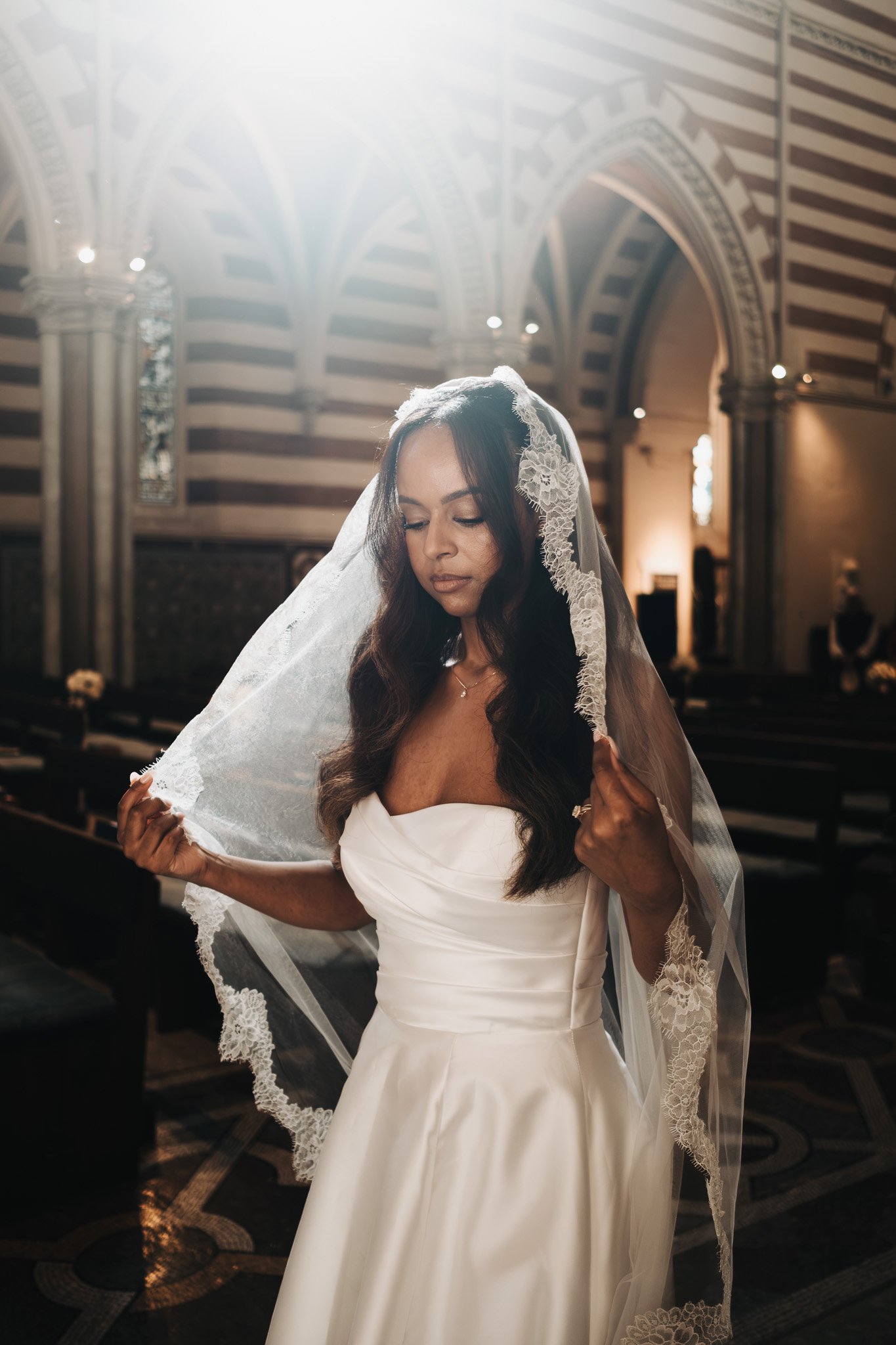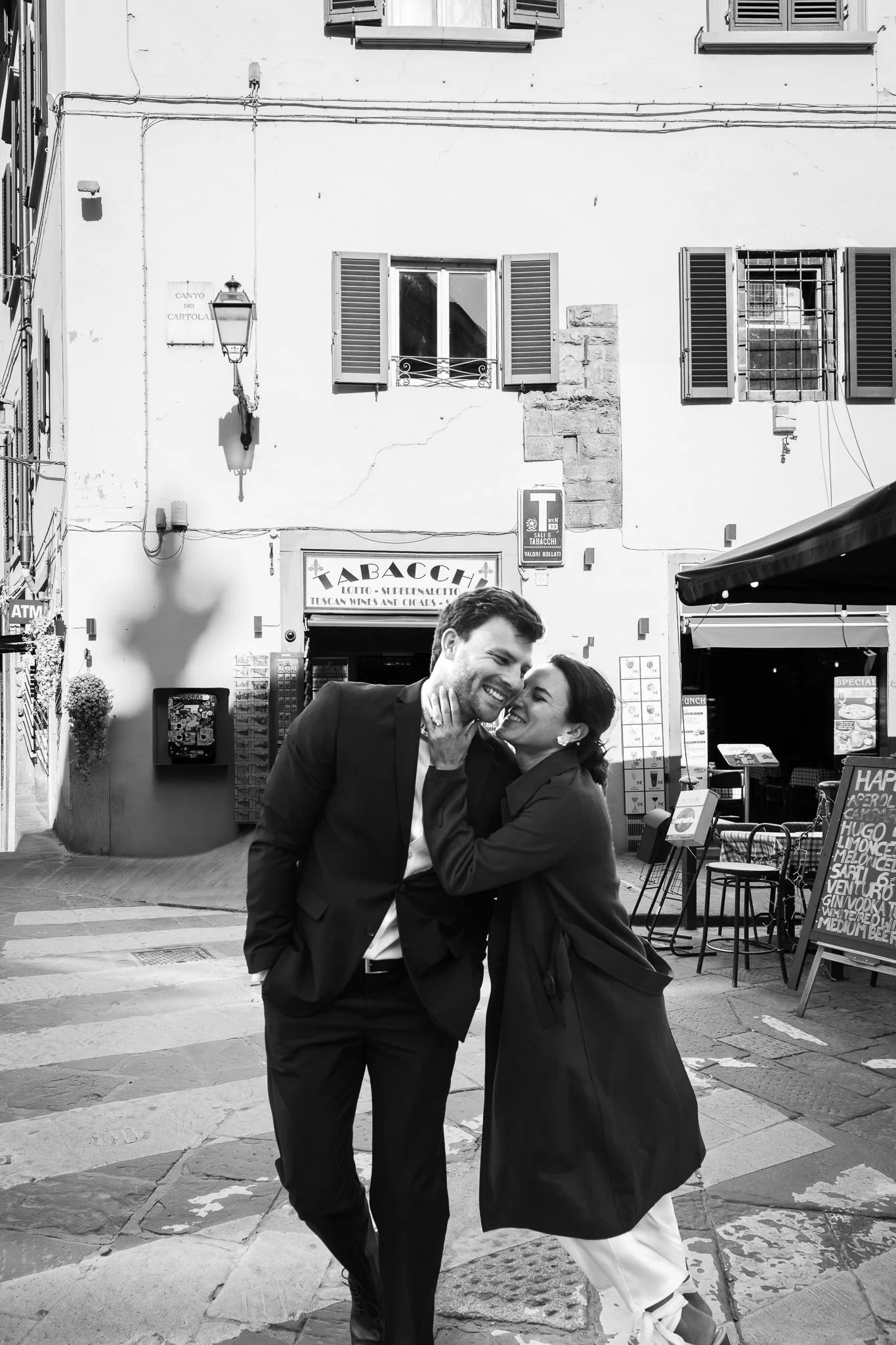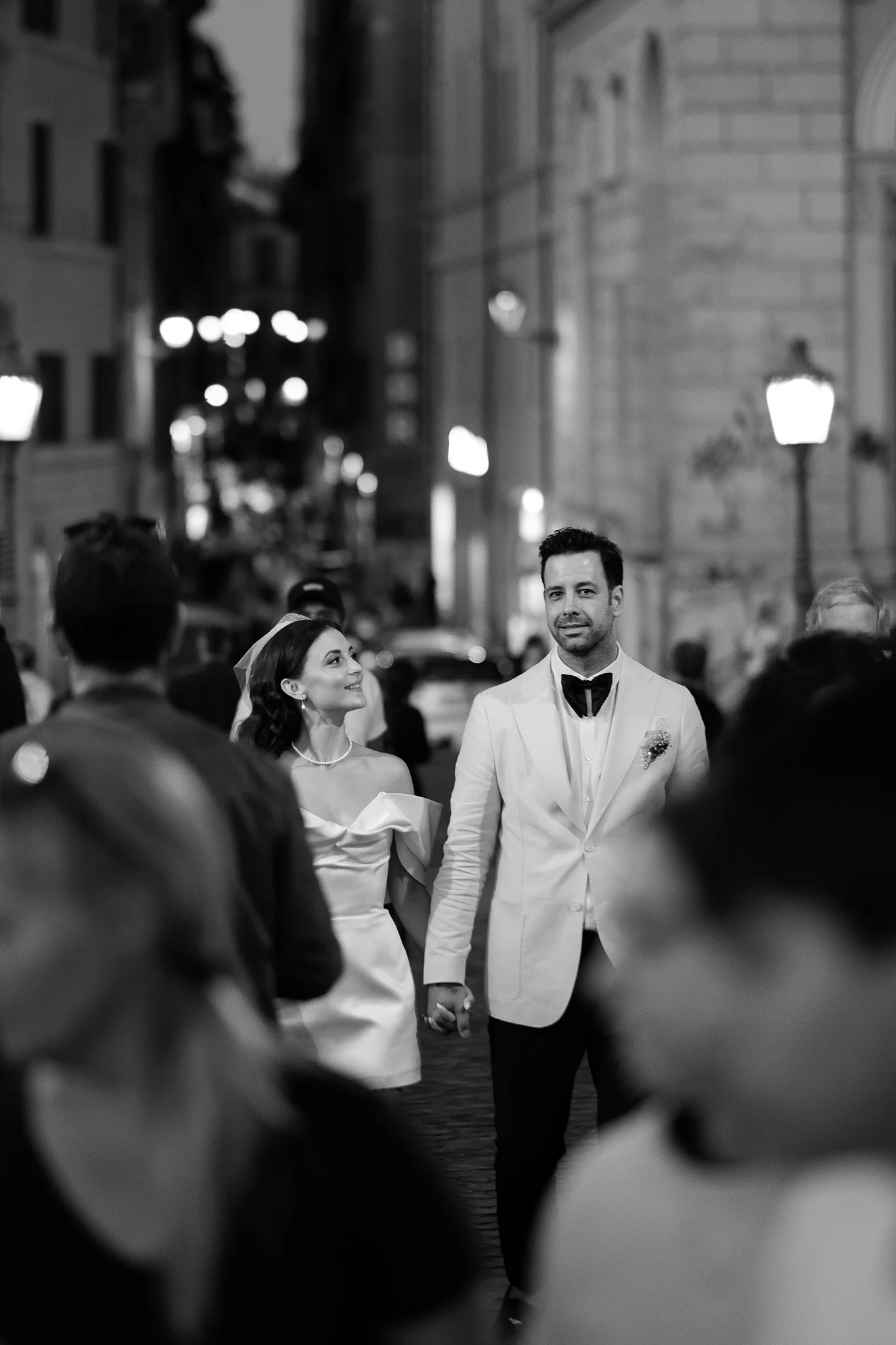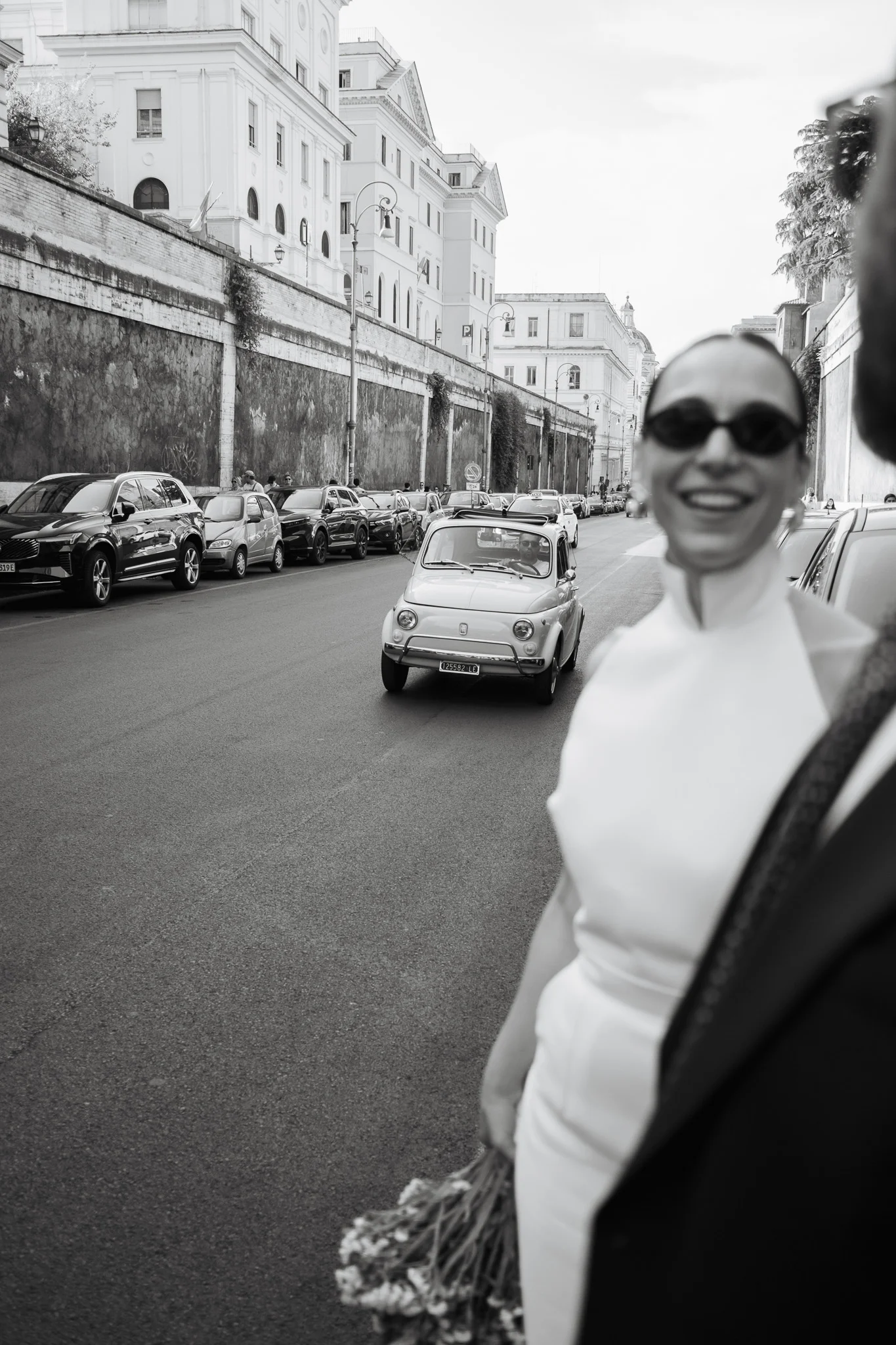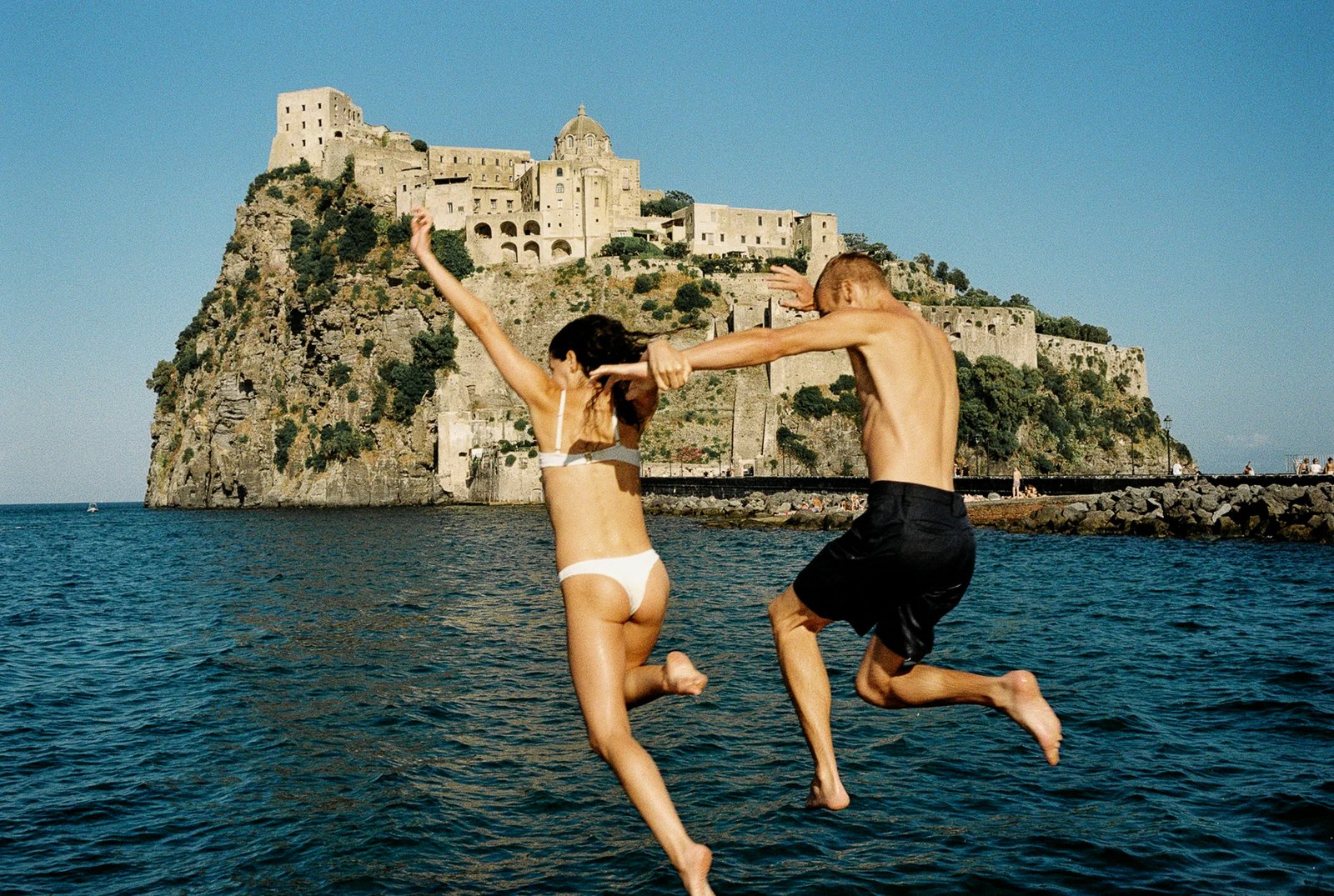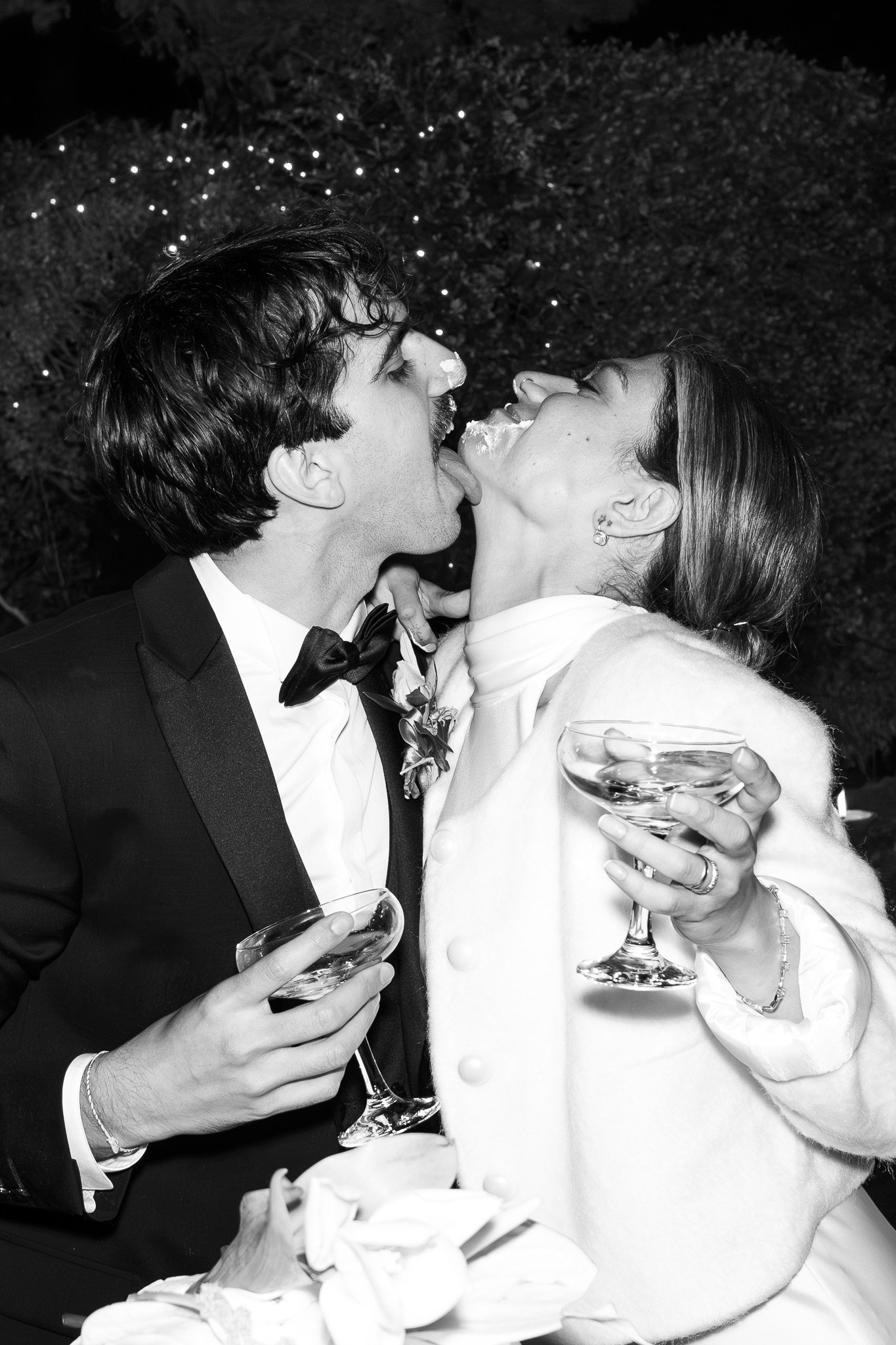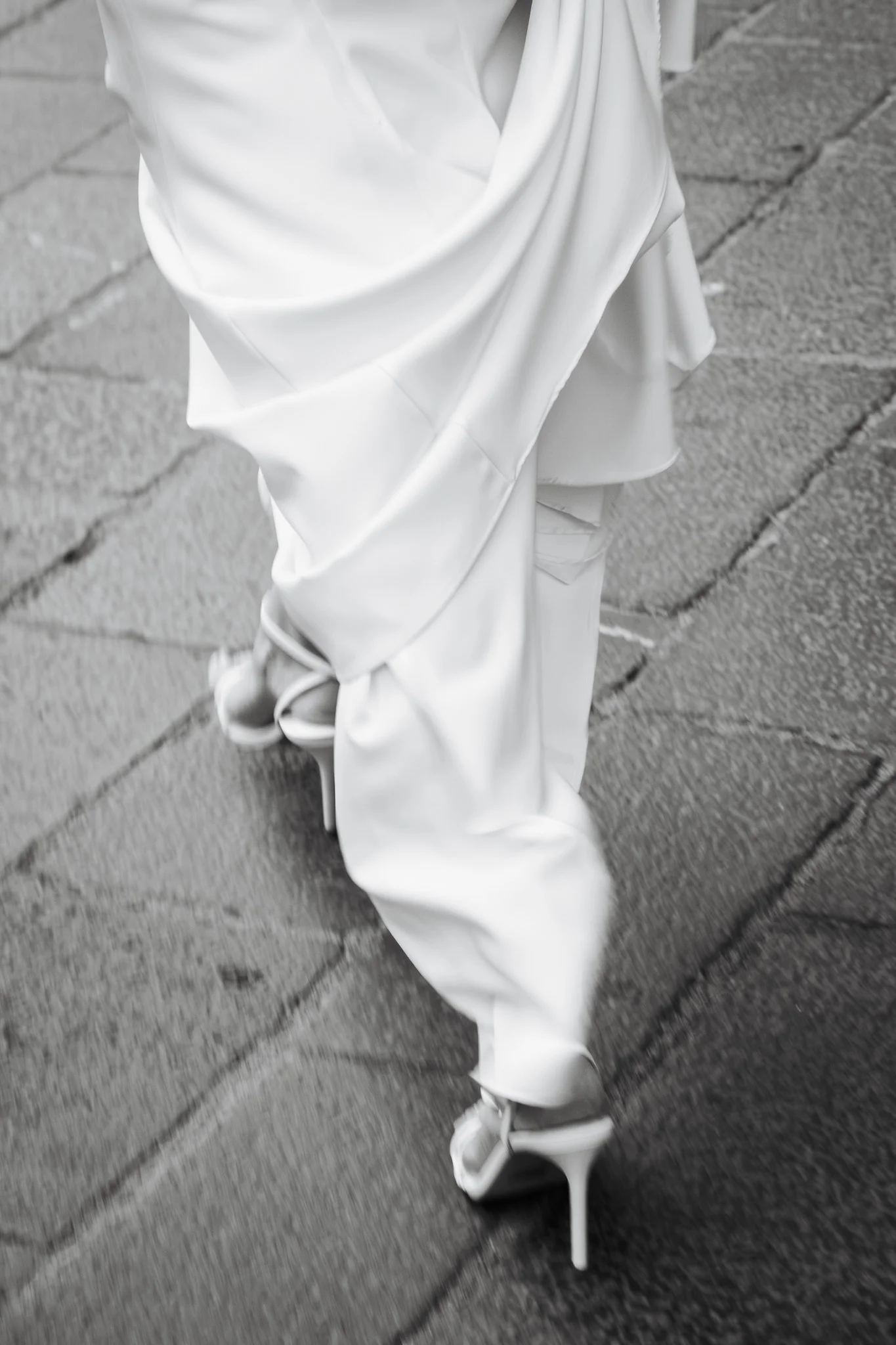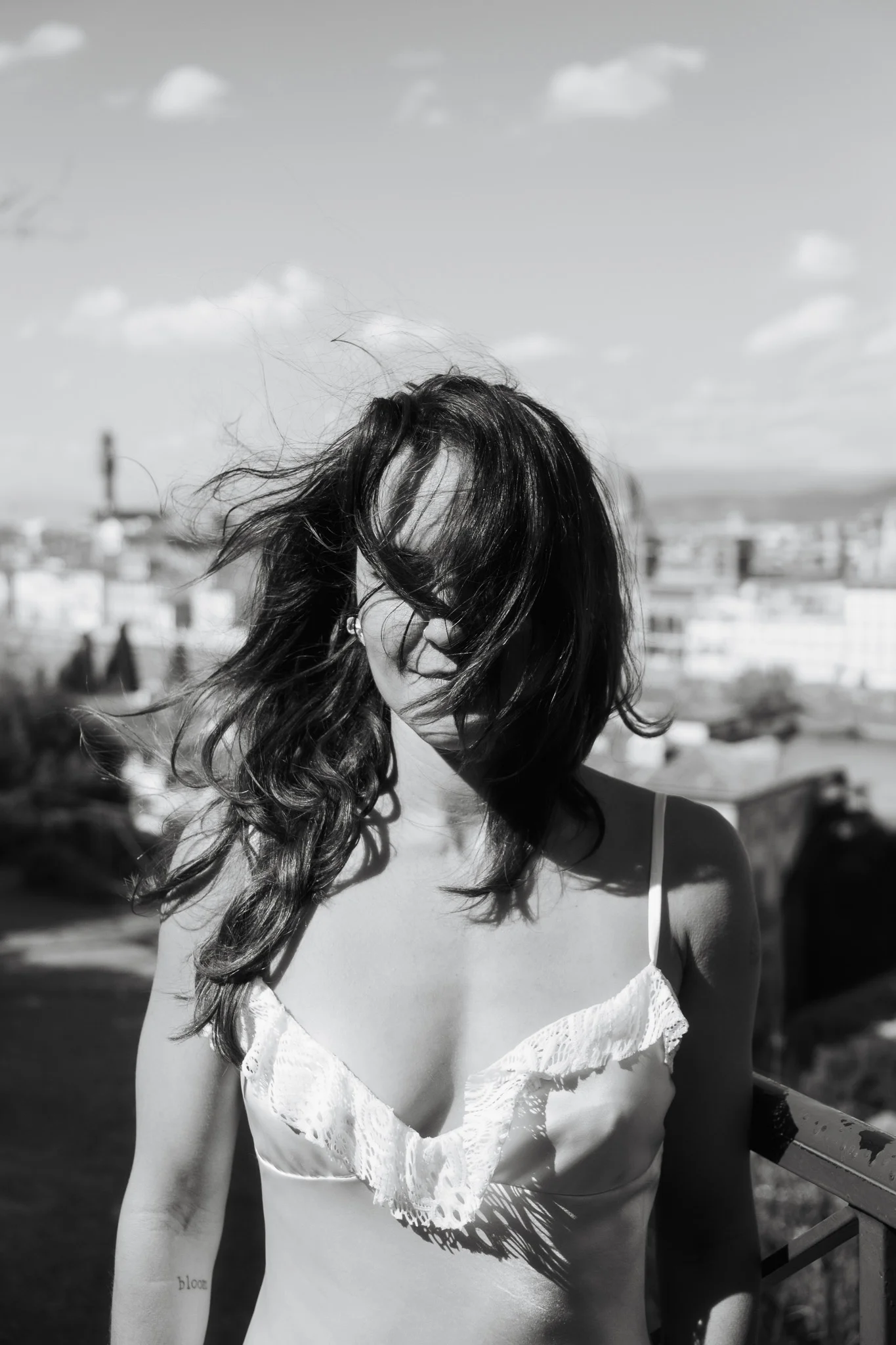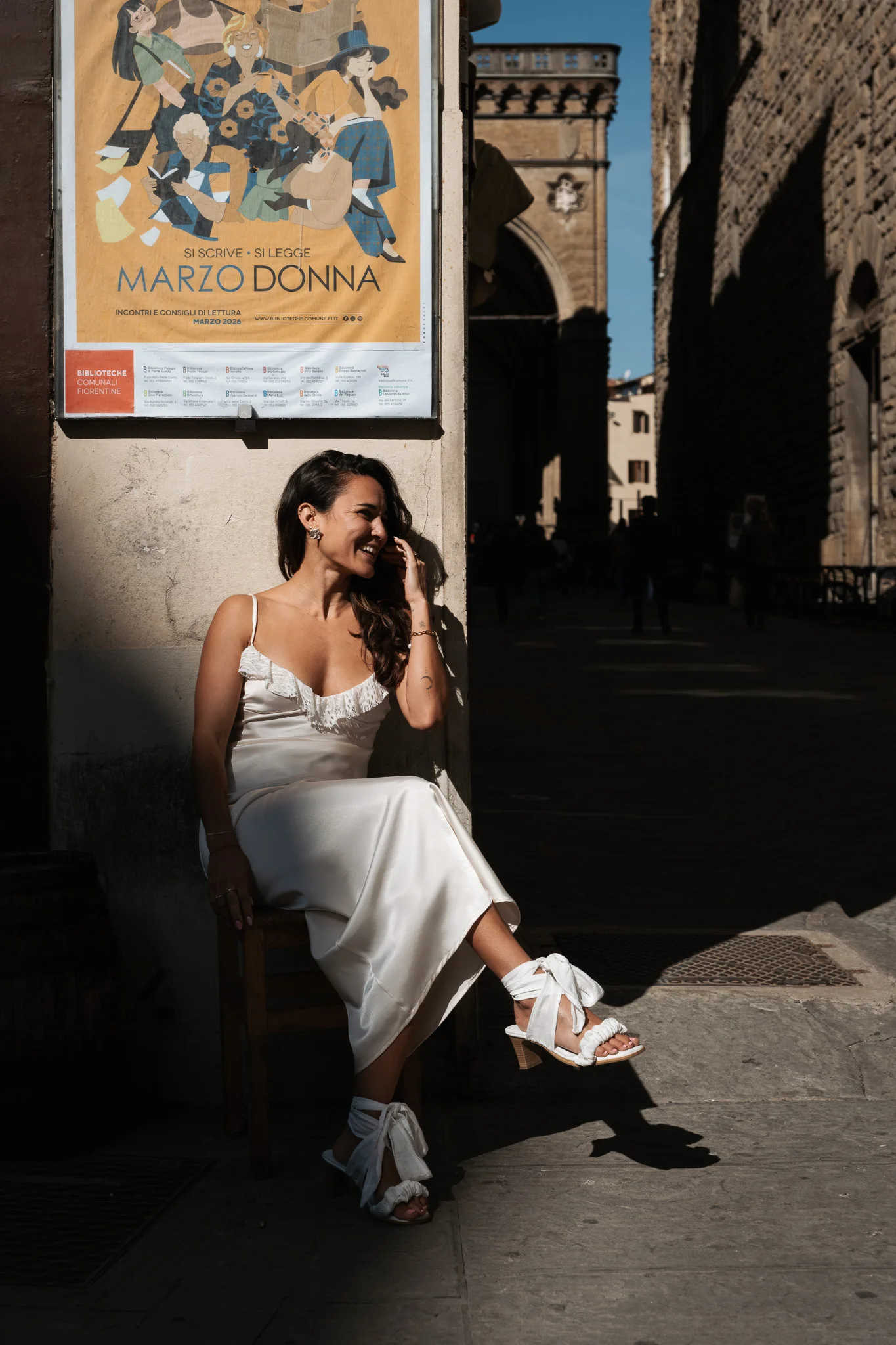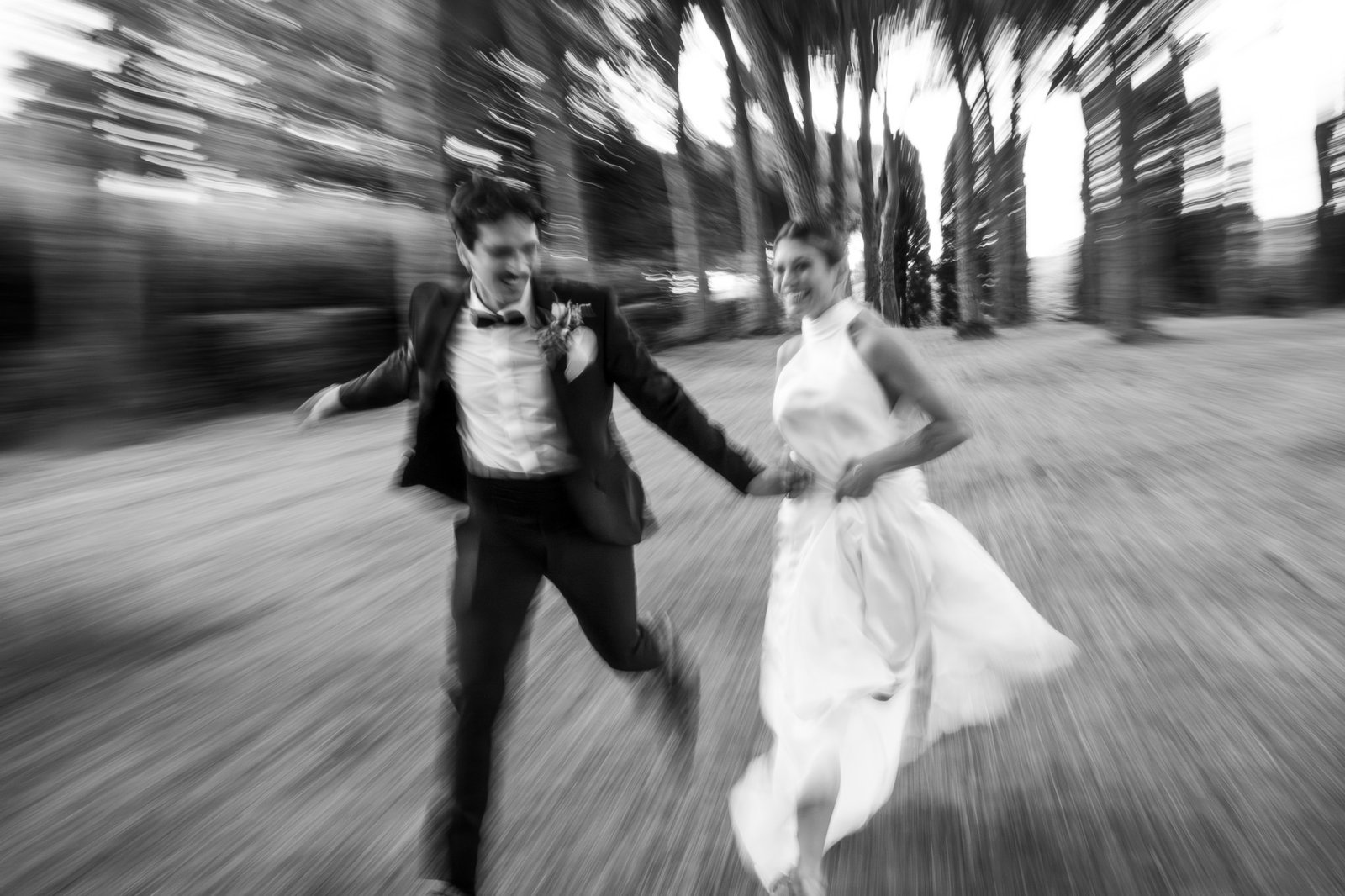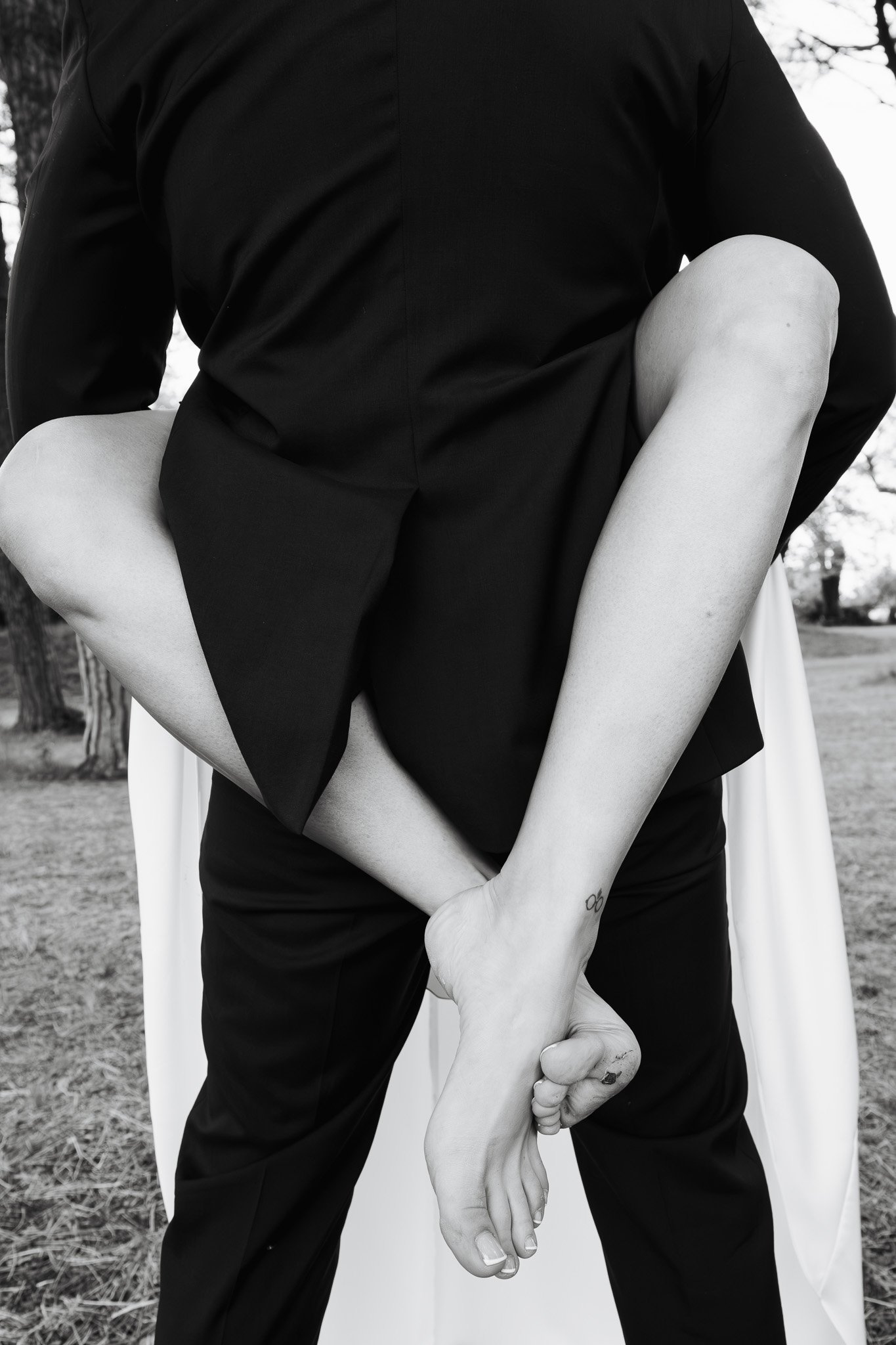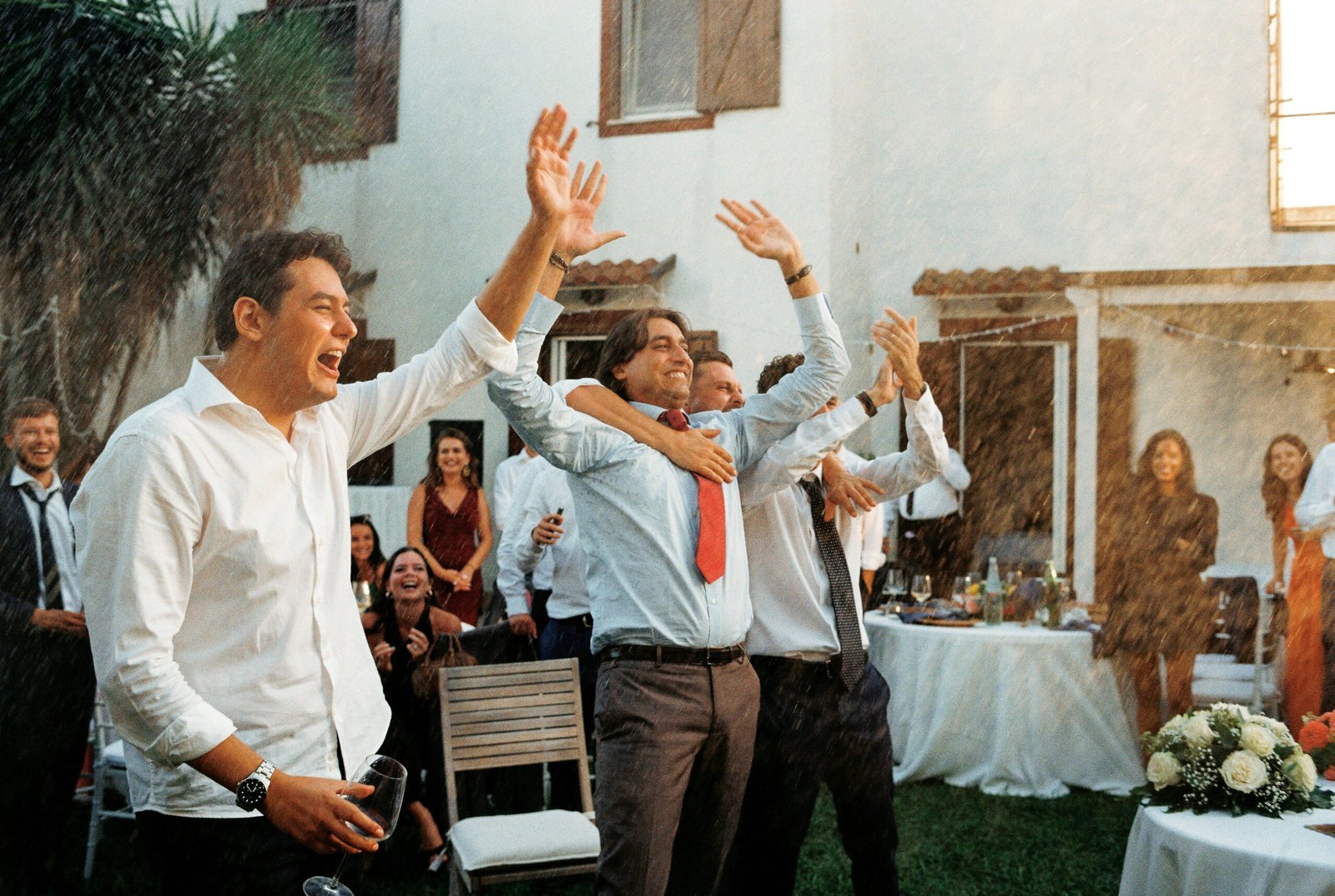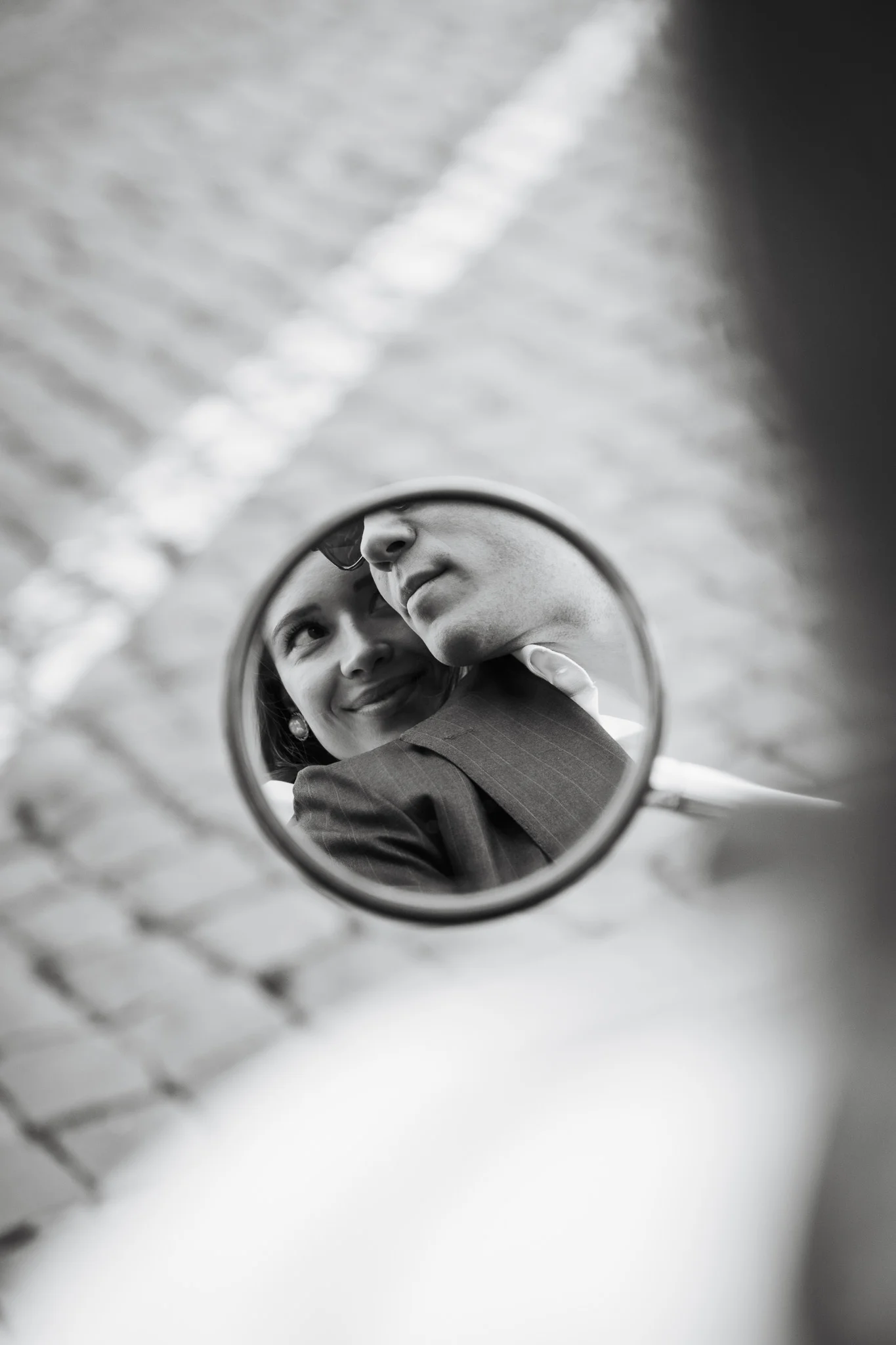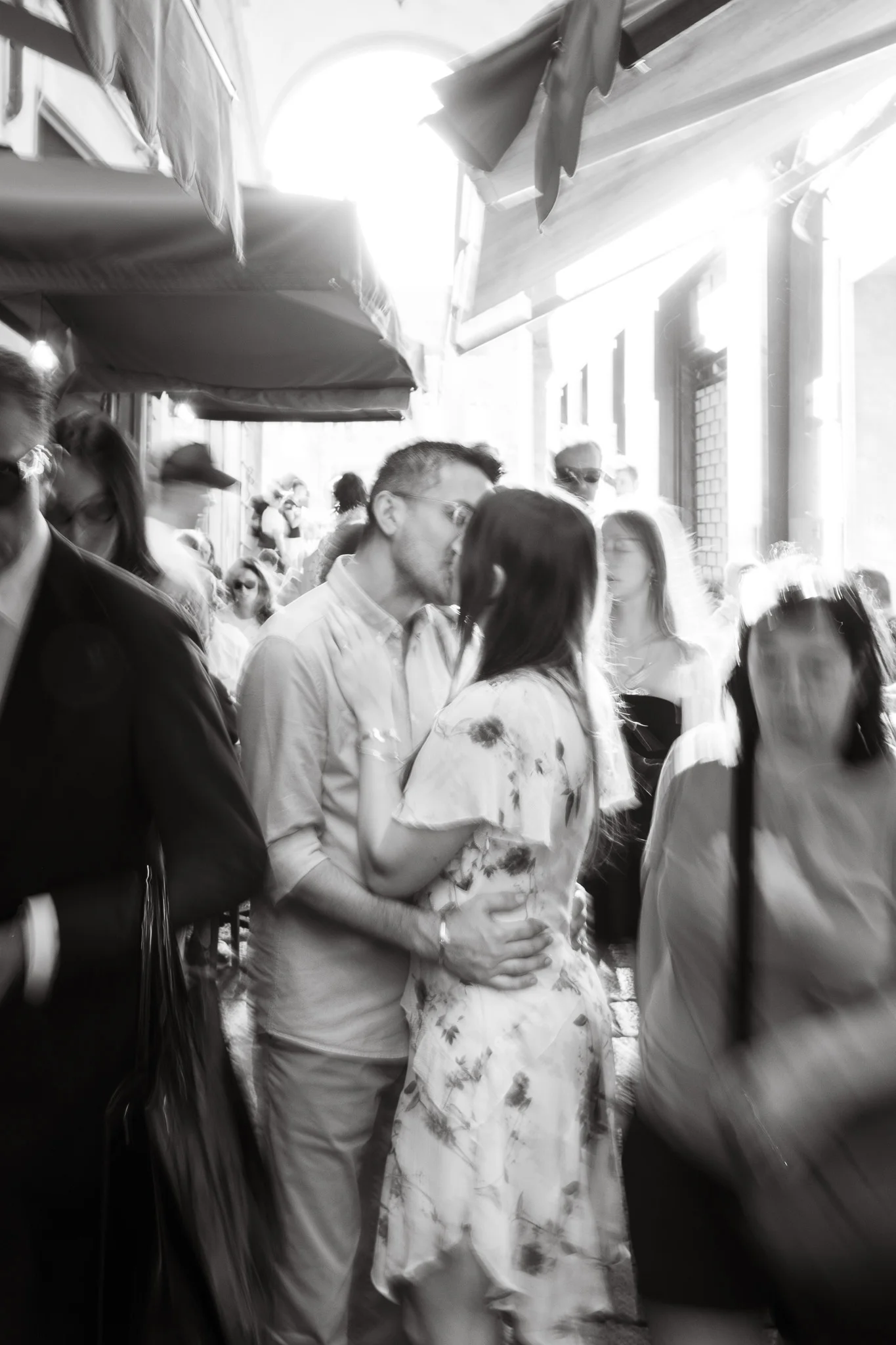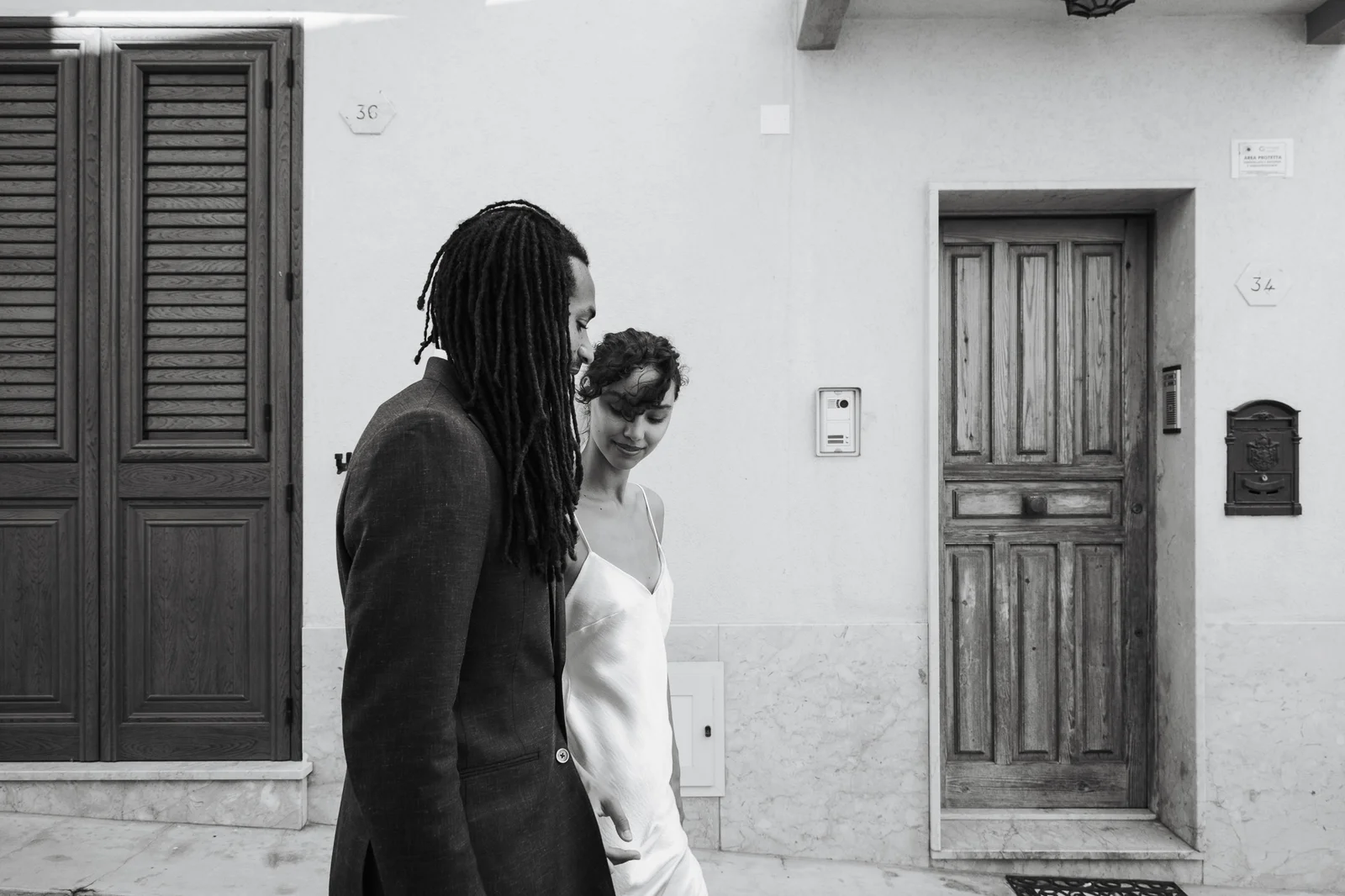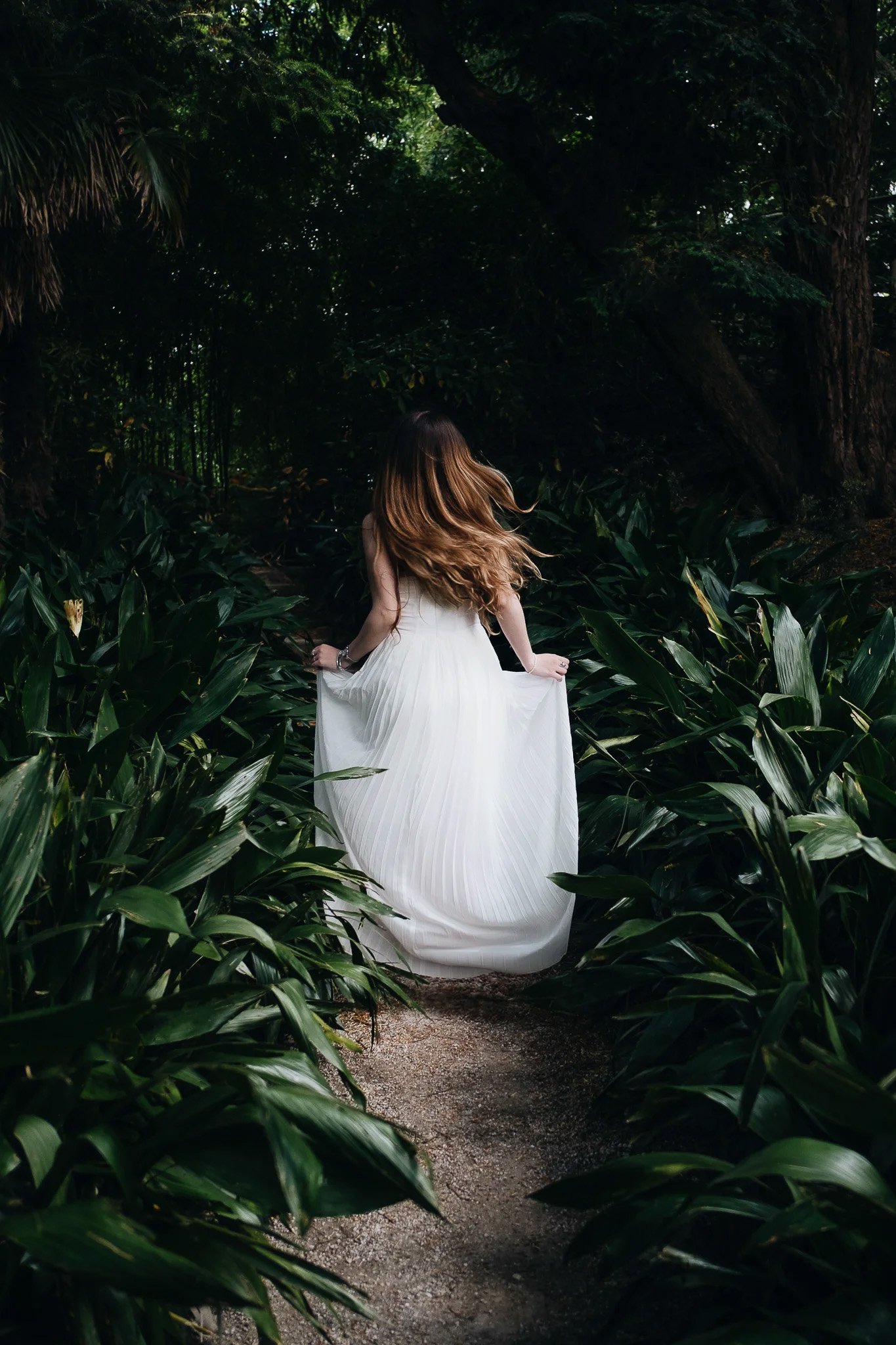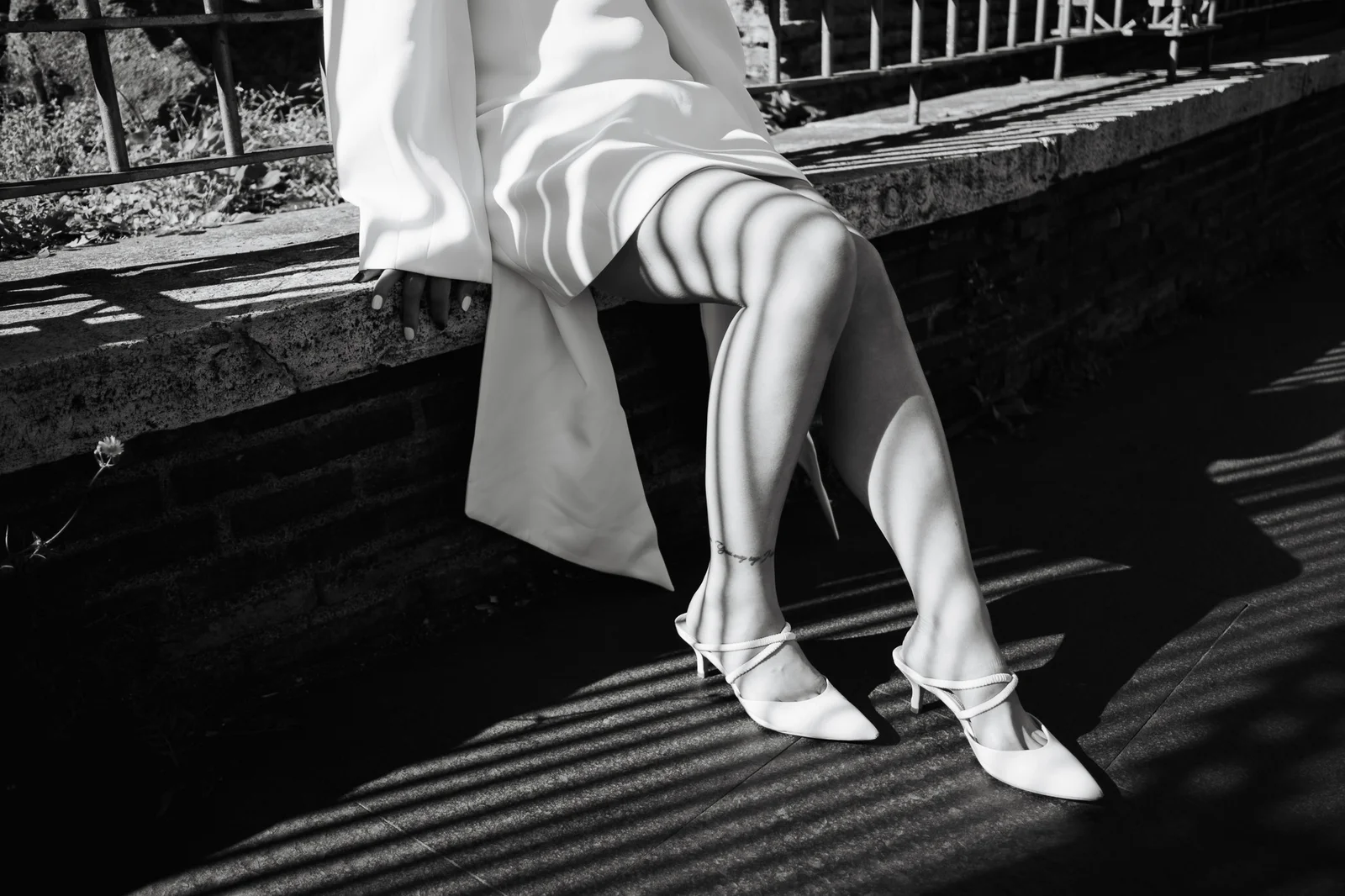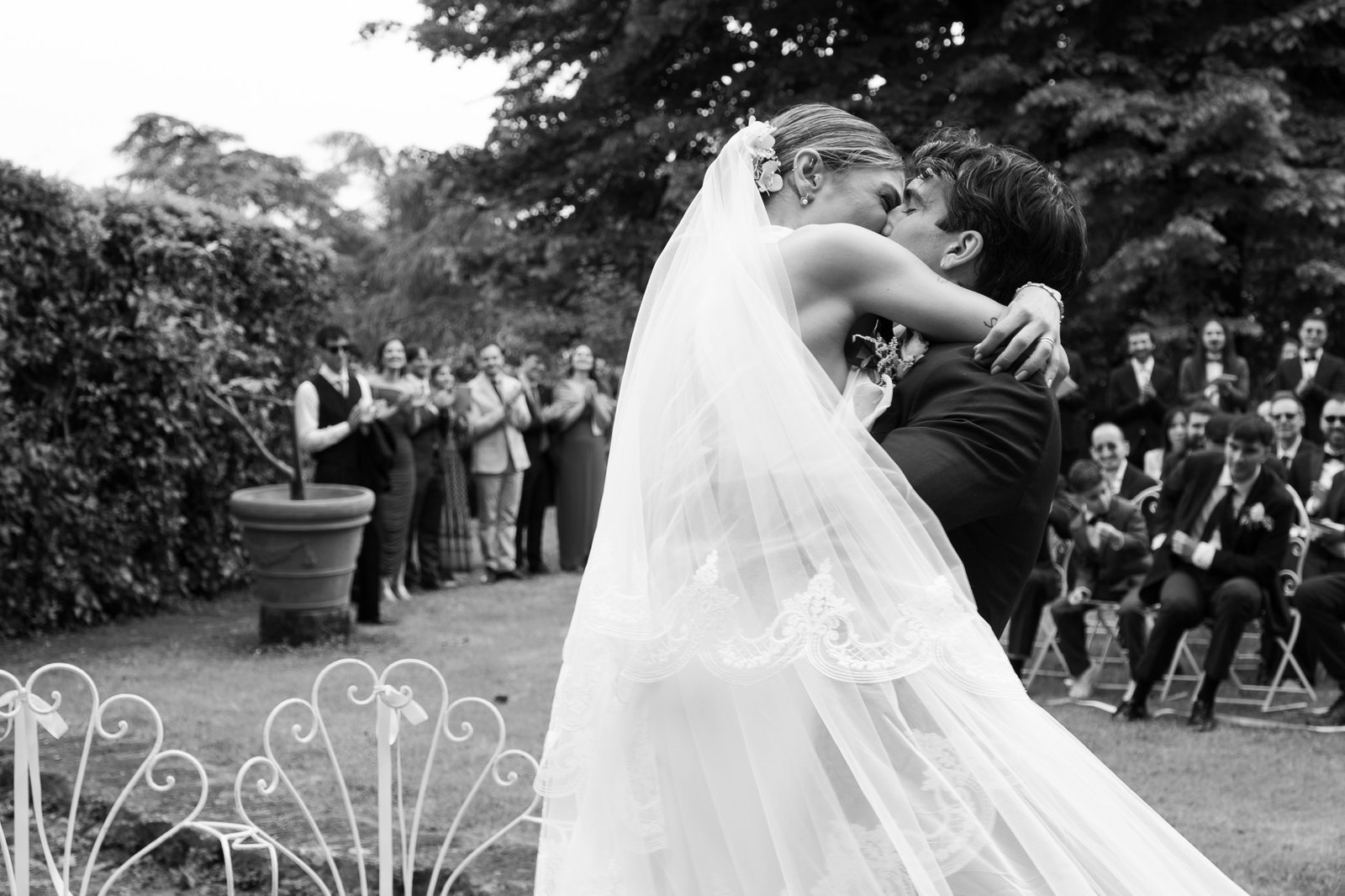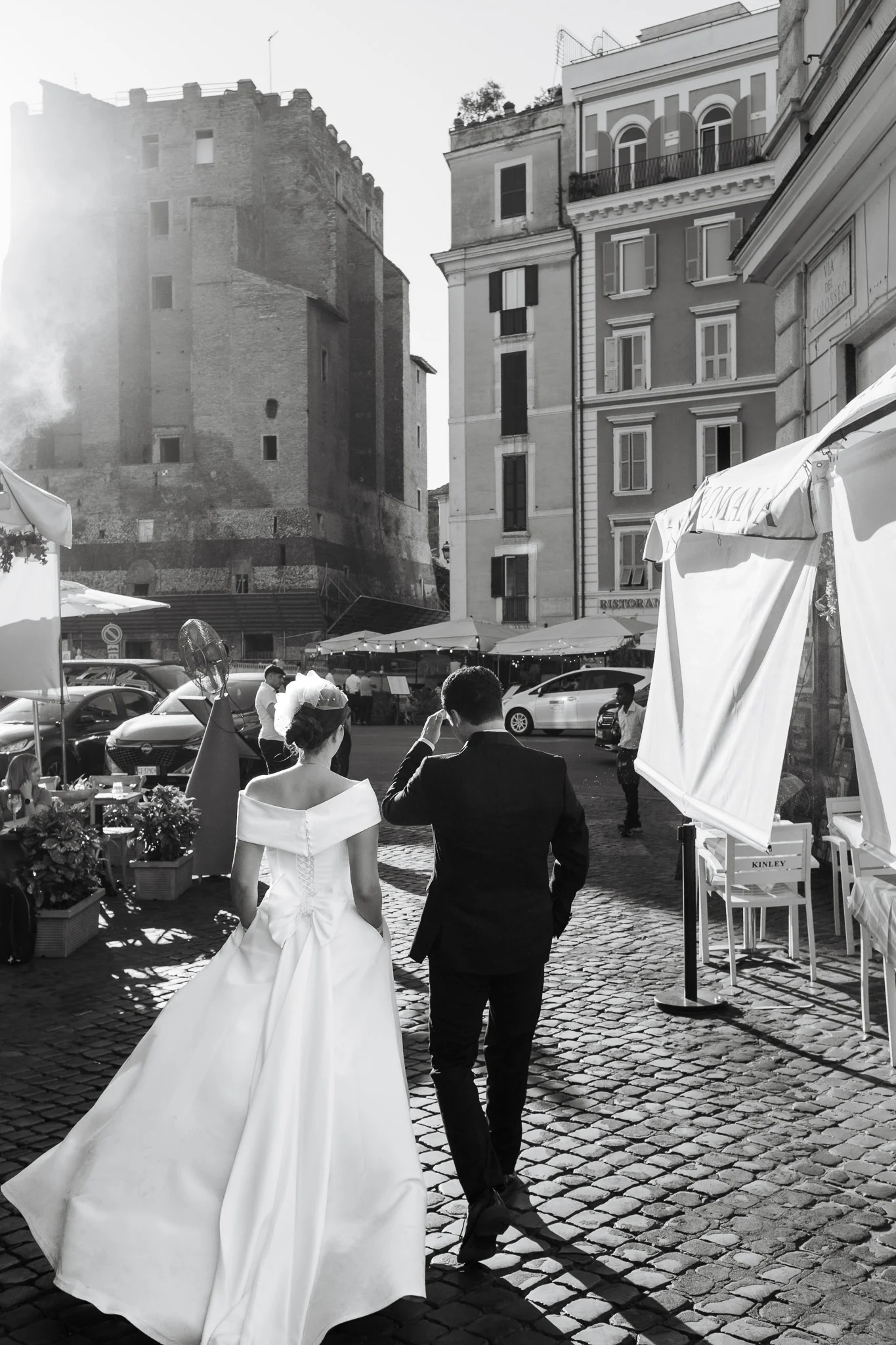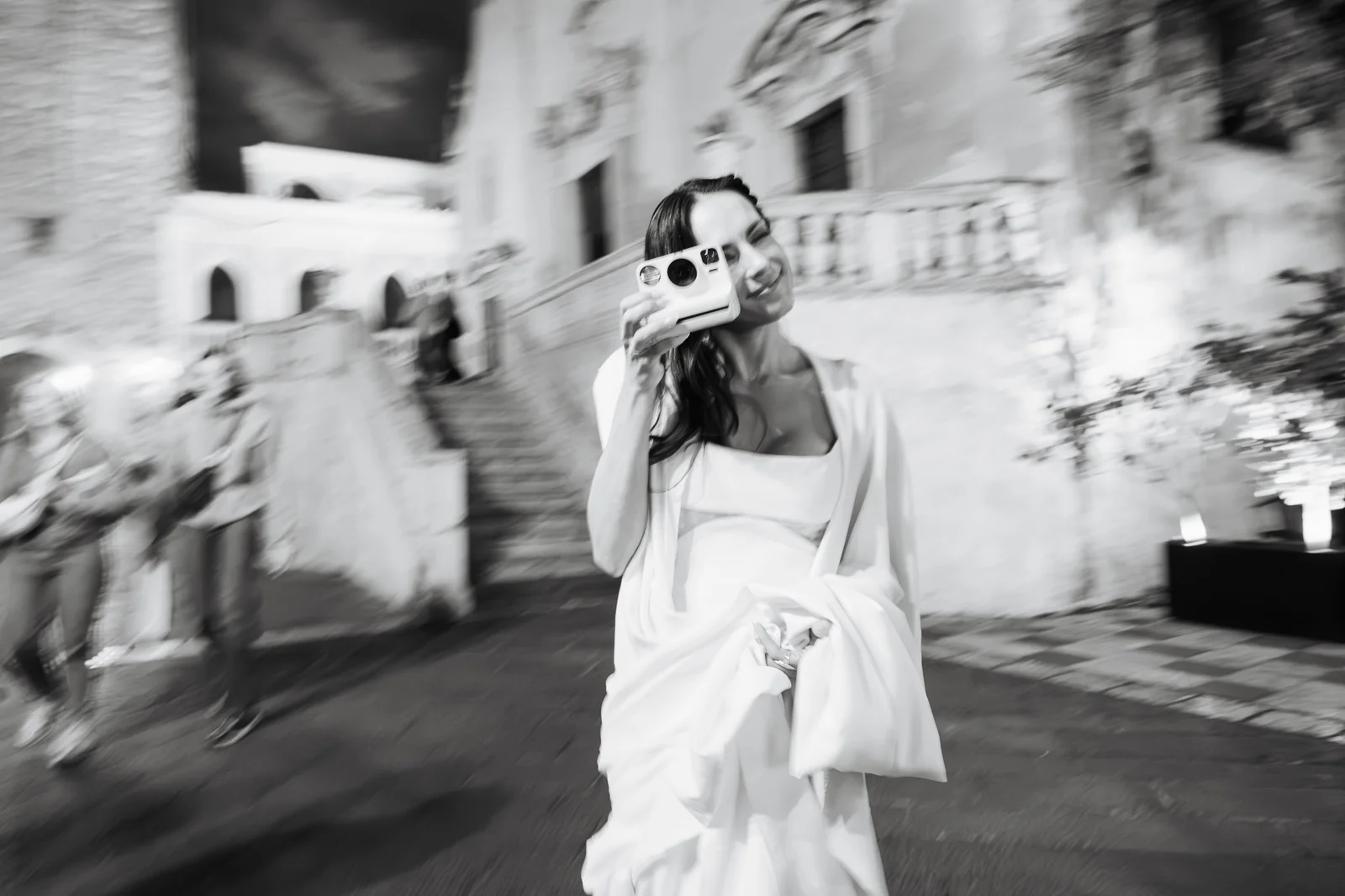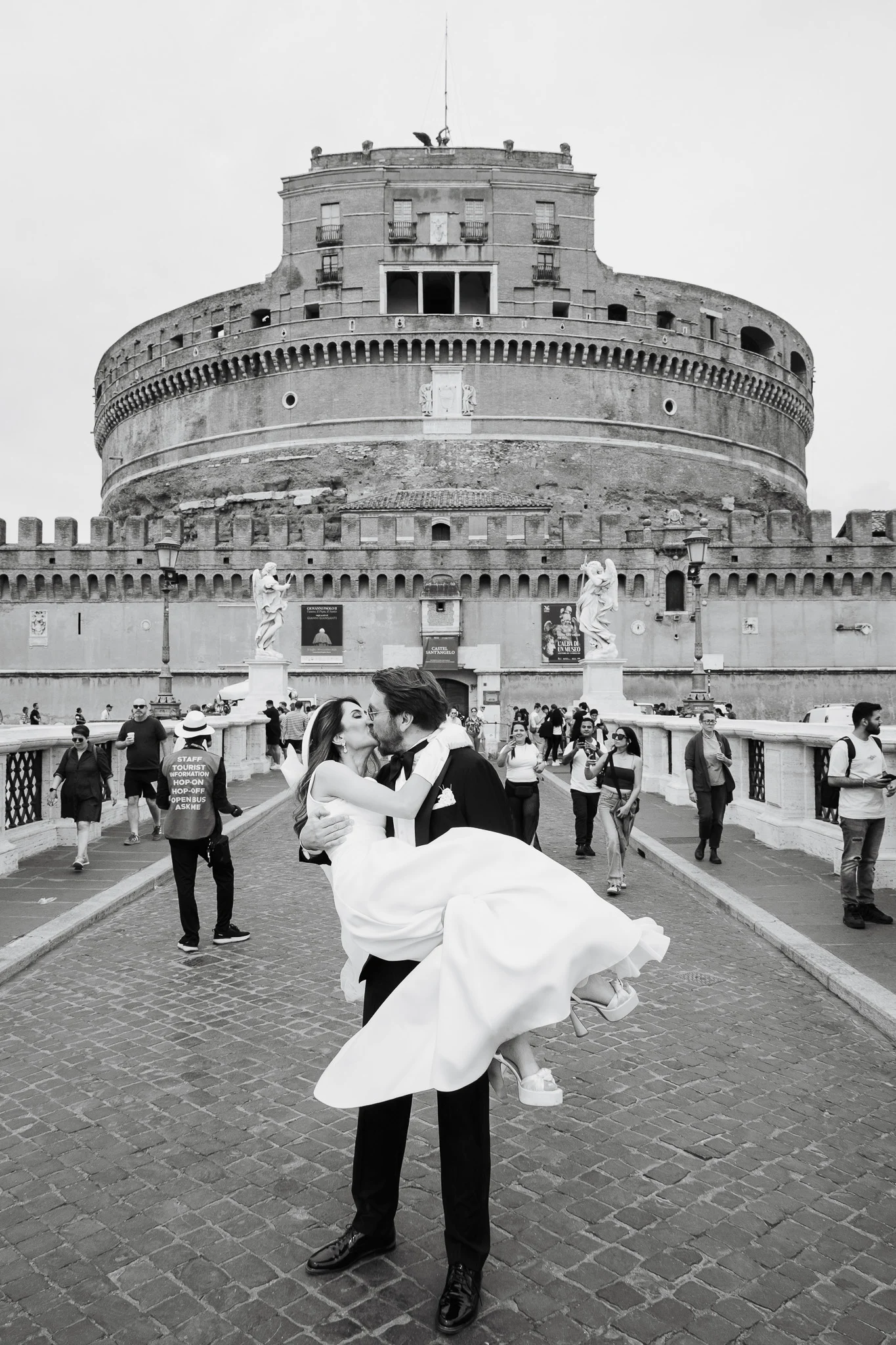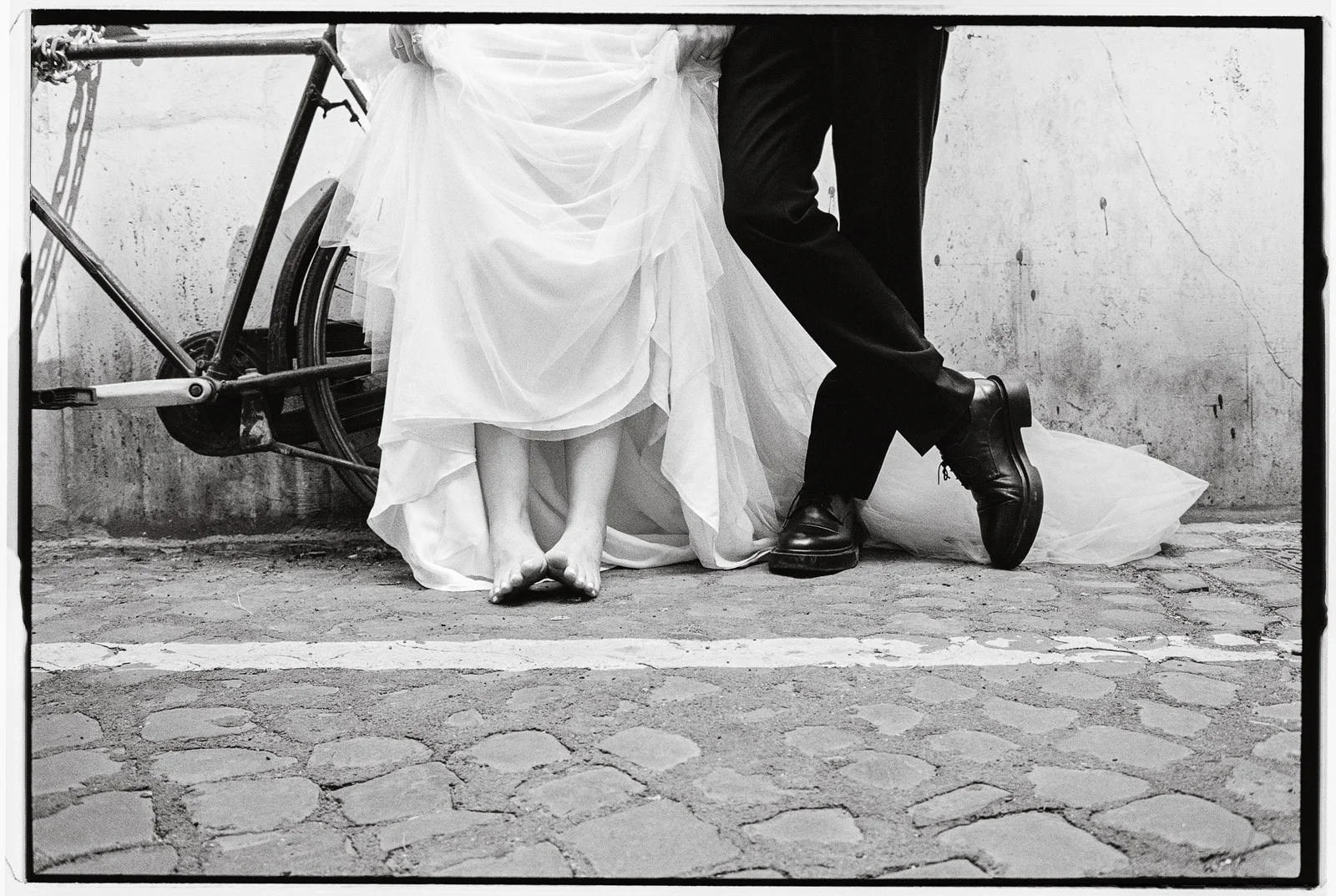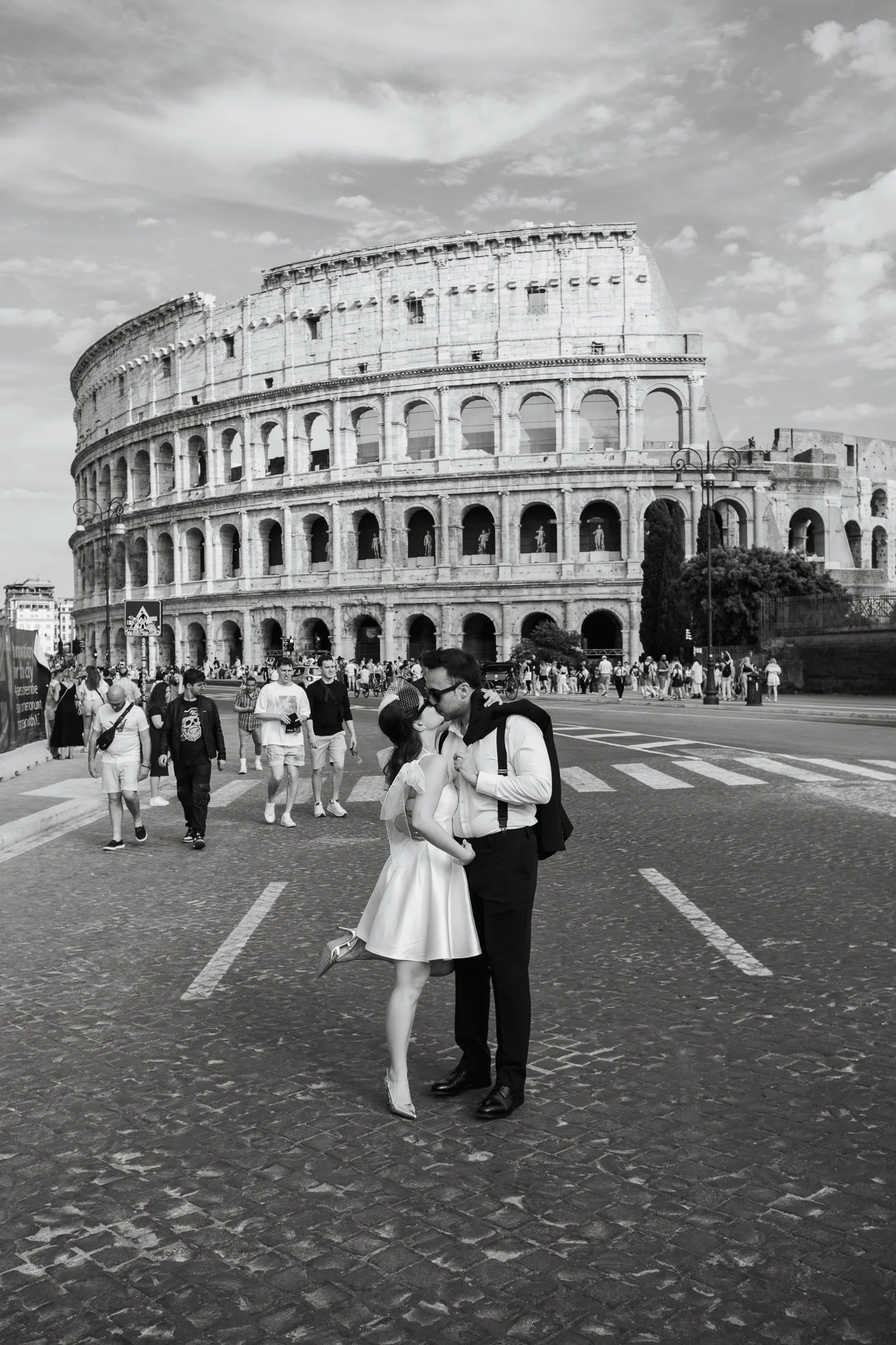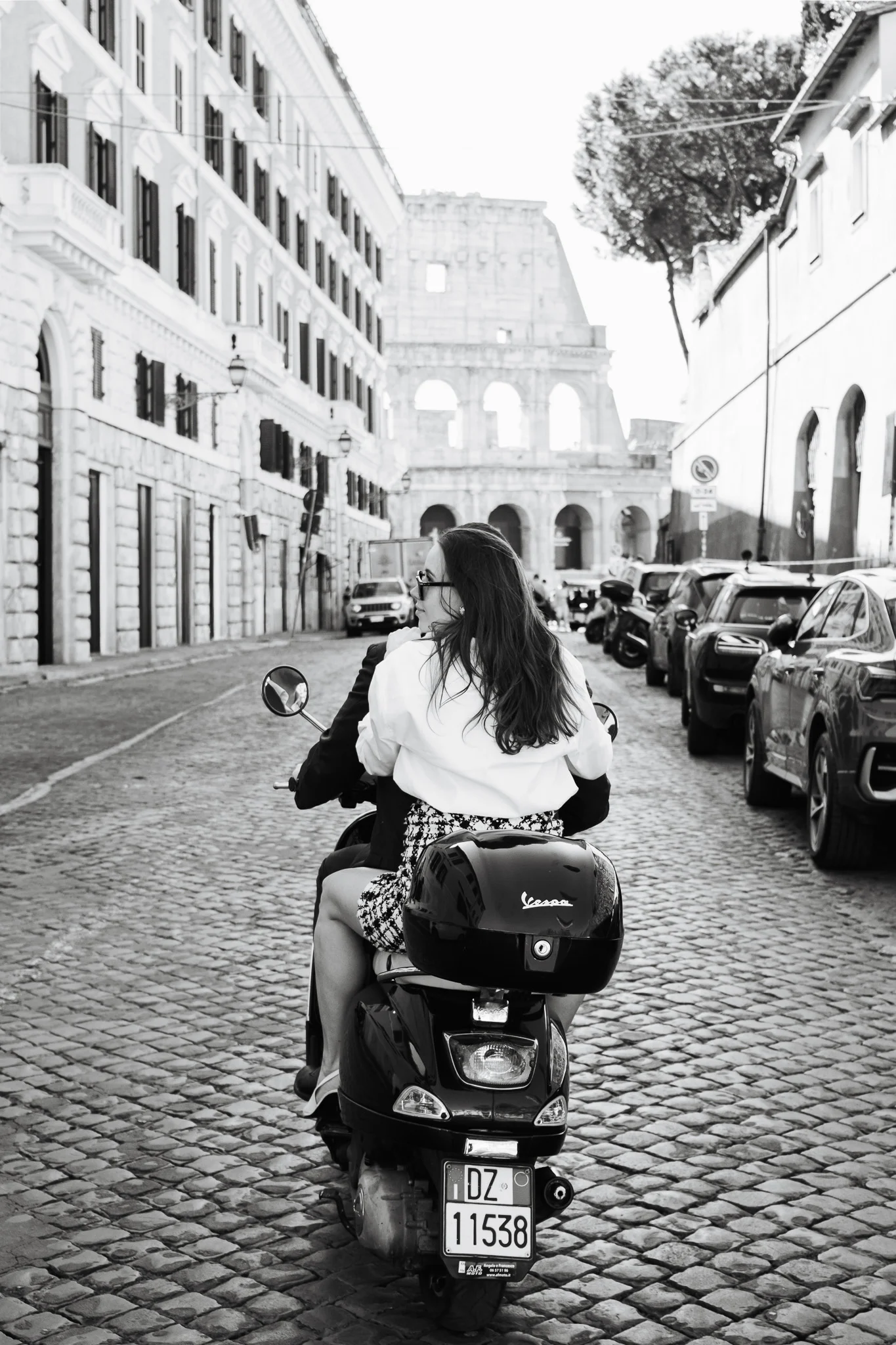

Documentary Wedding Photographer in Italy for Candid and Unstaged Weddings
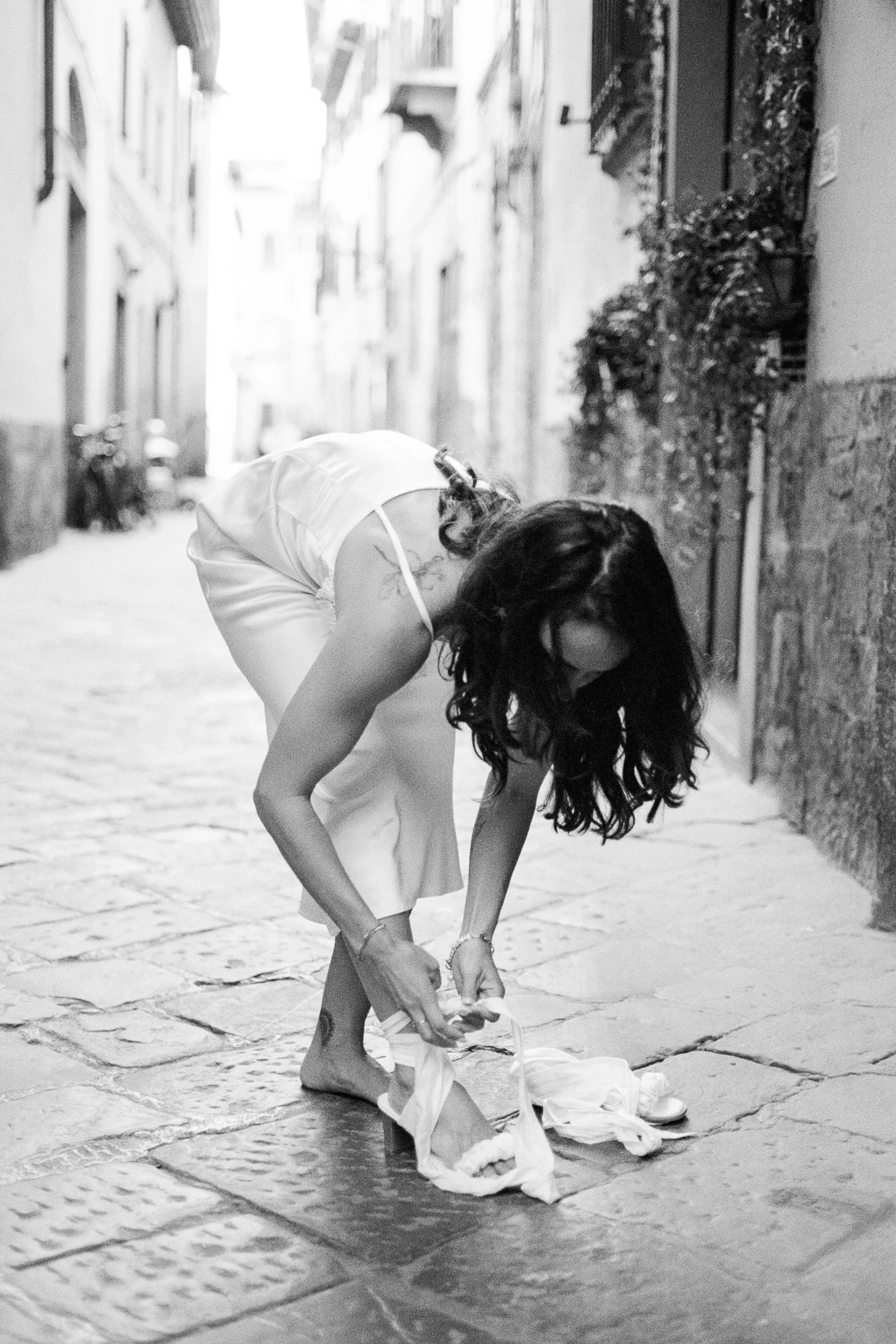
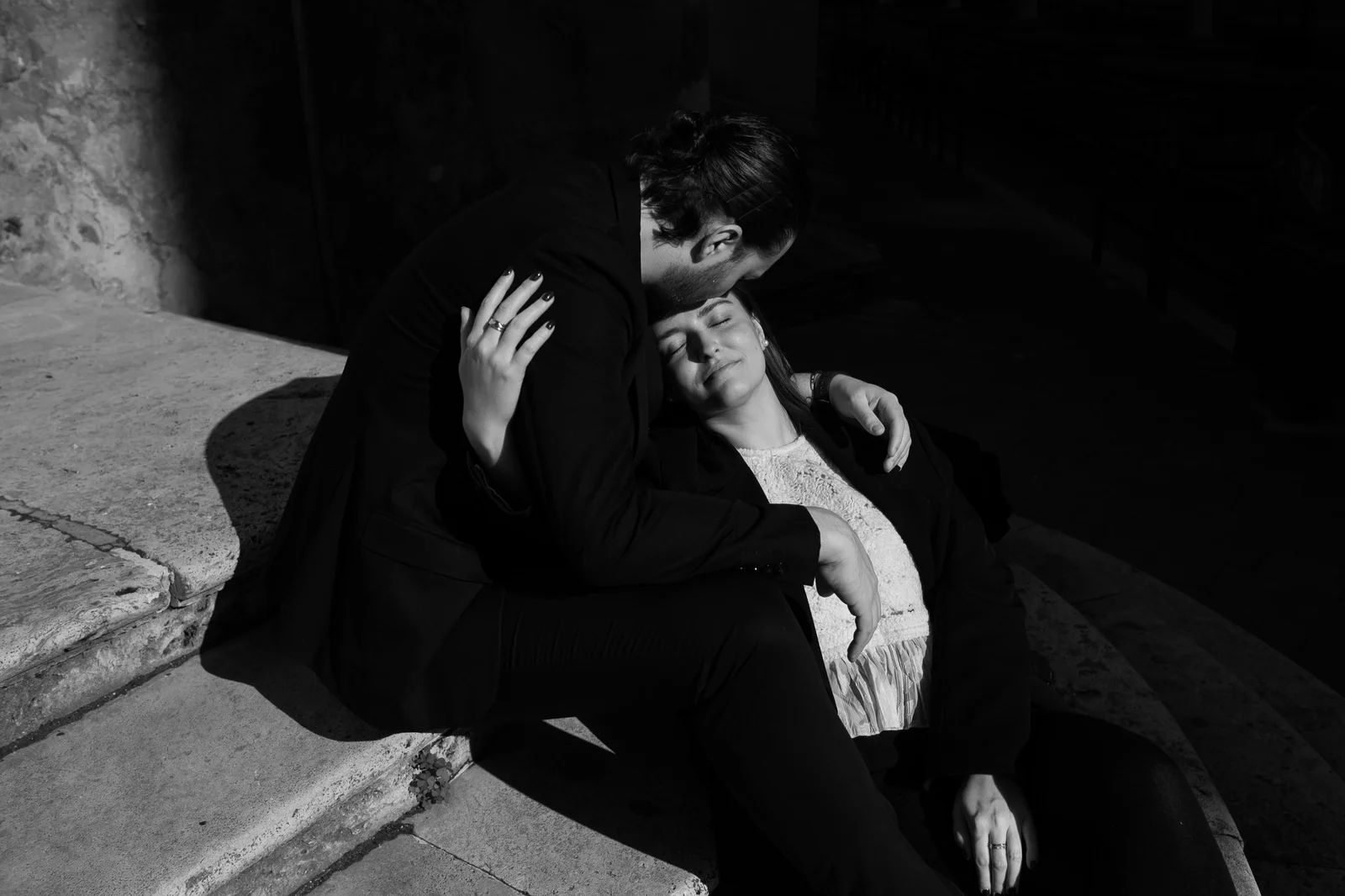
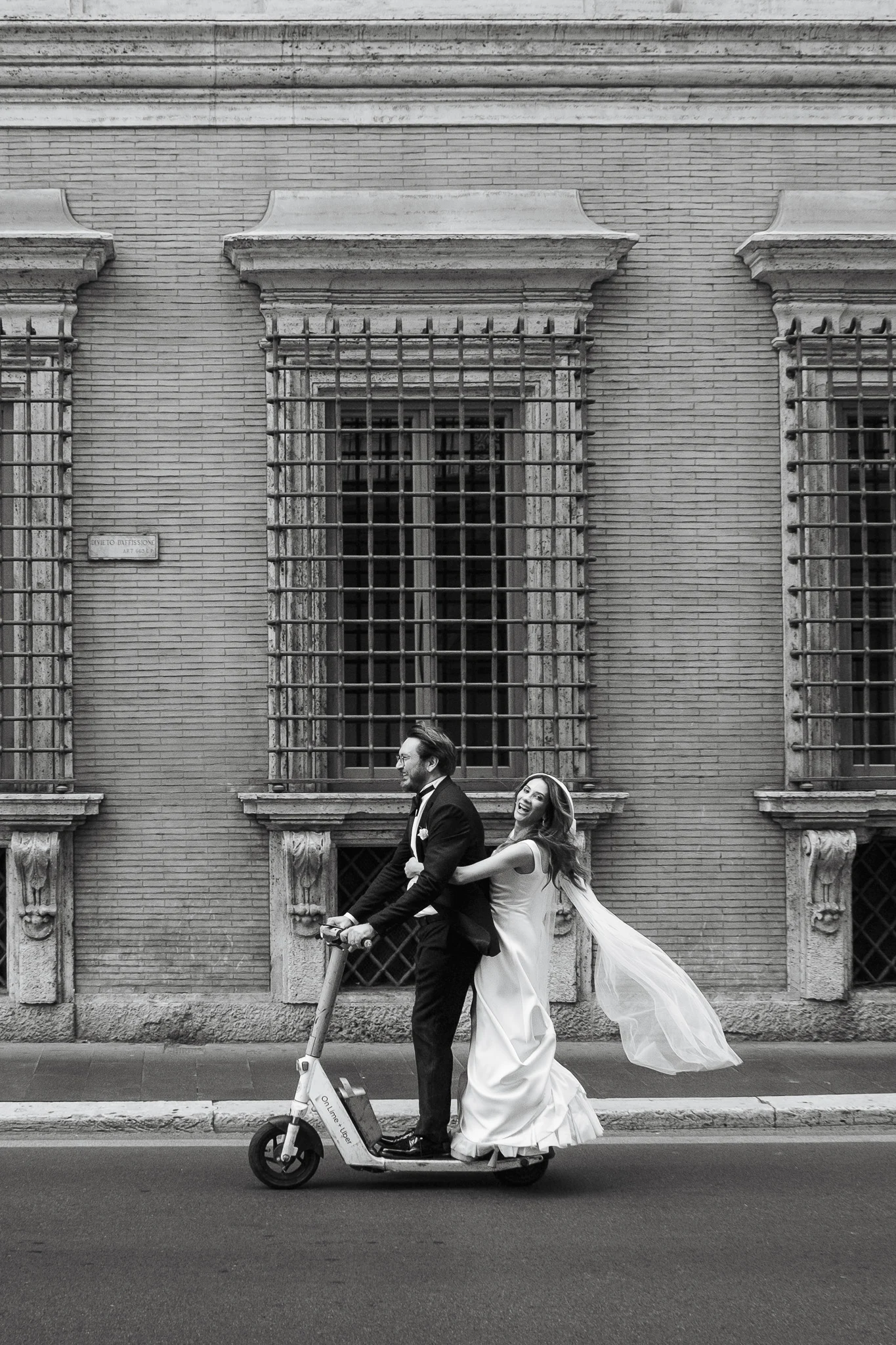
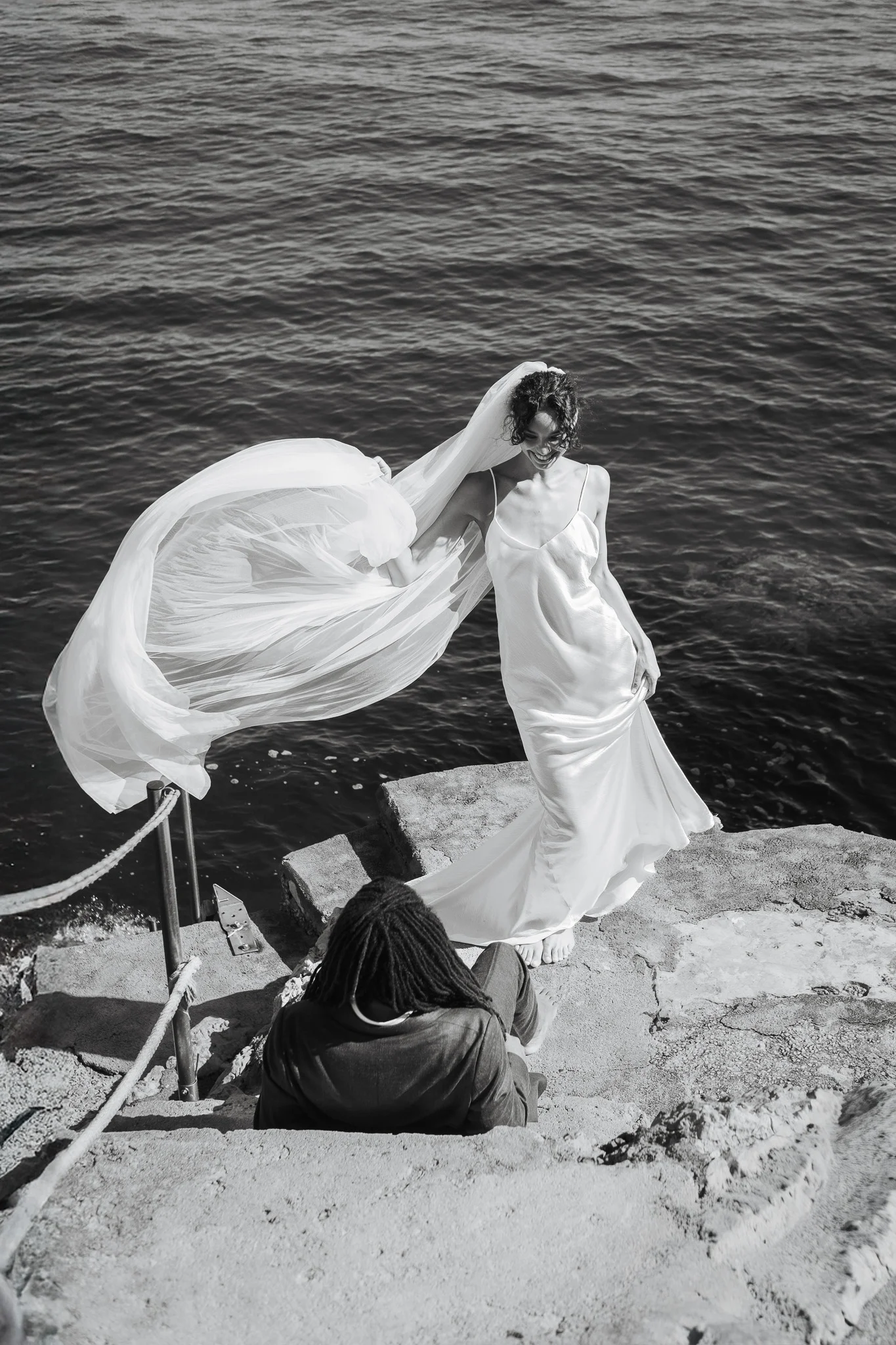
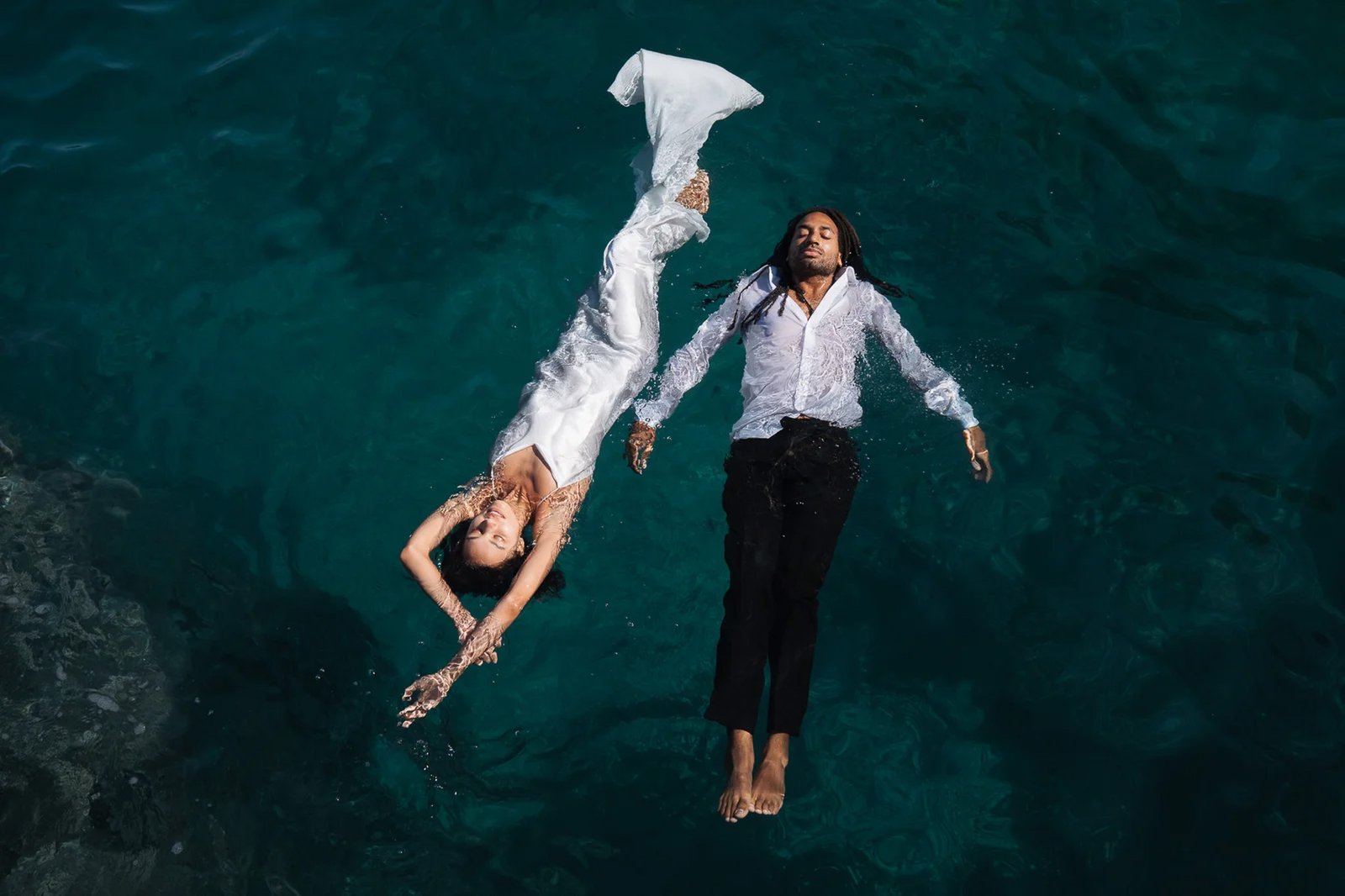
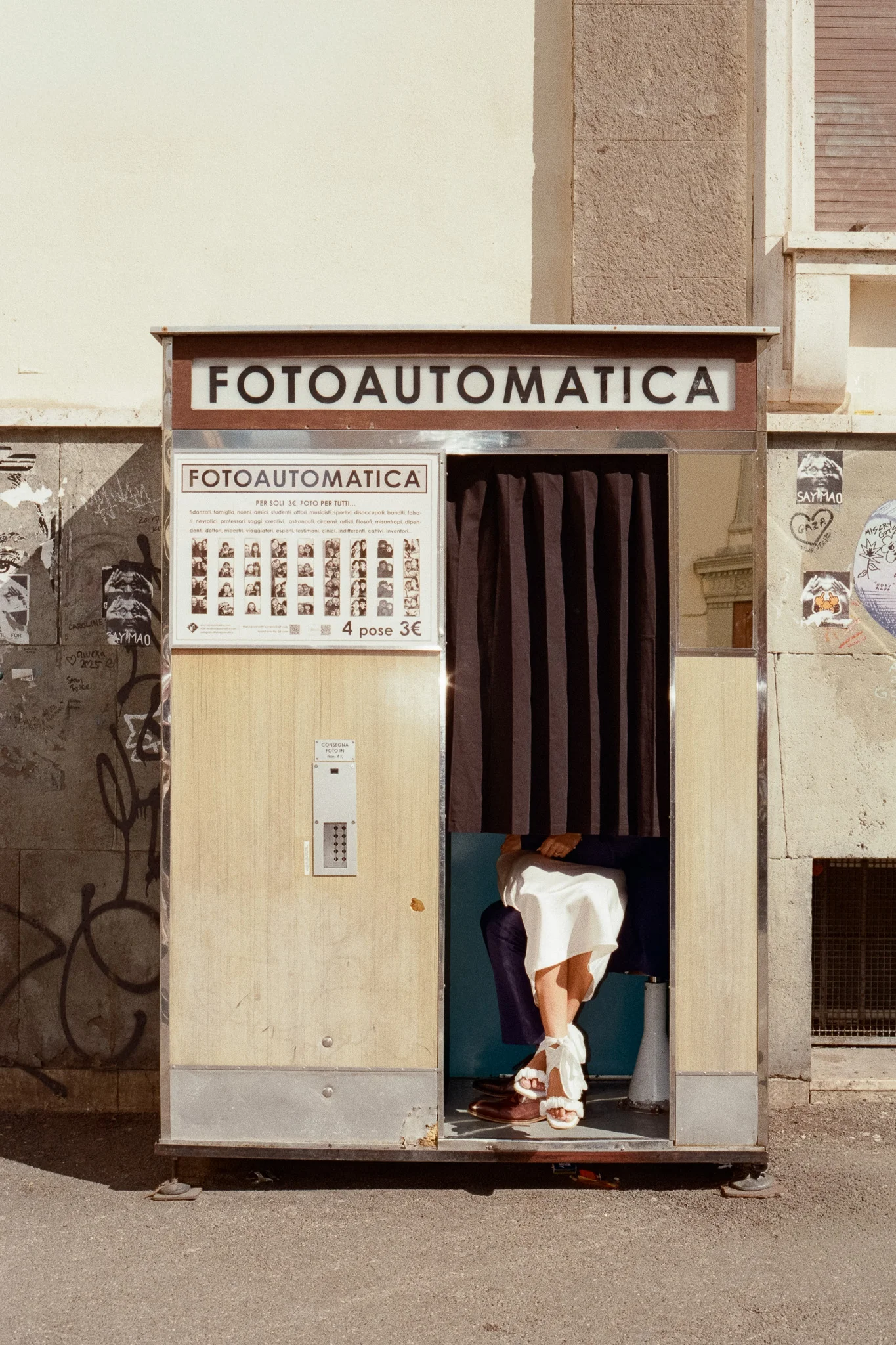
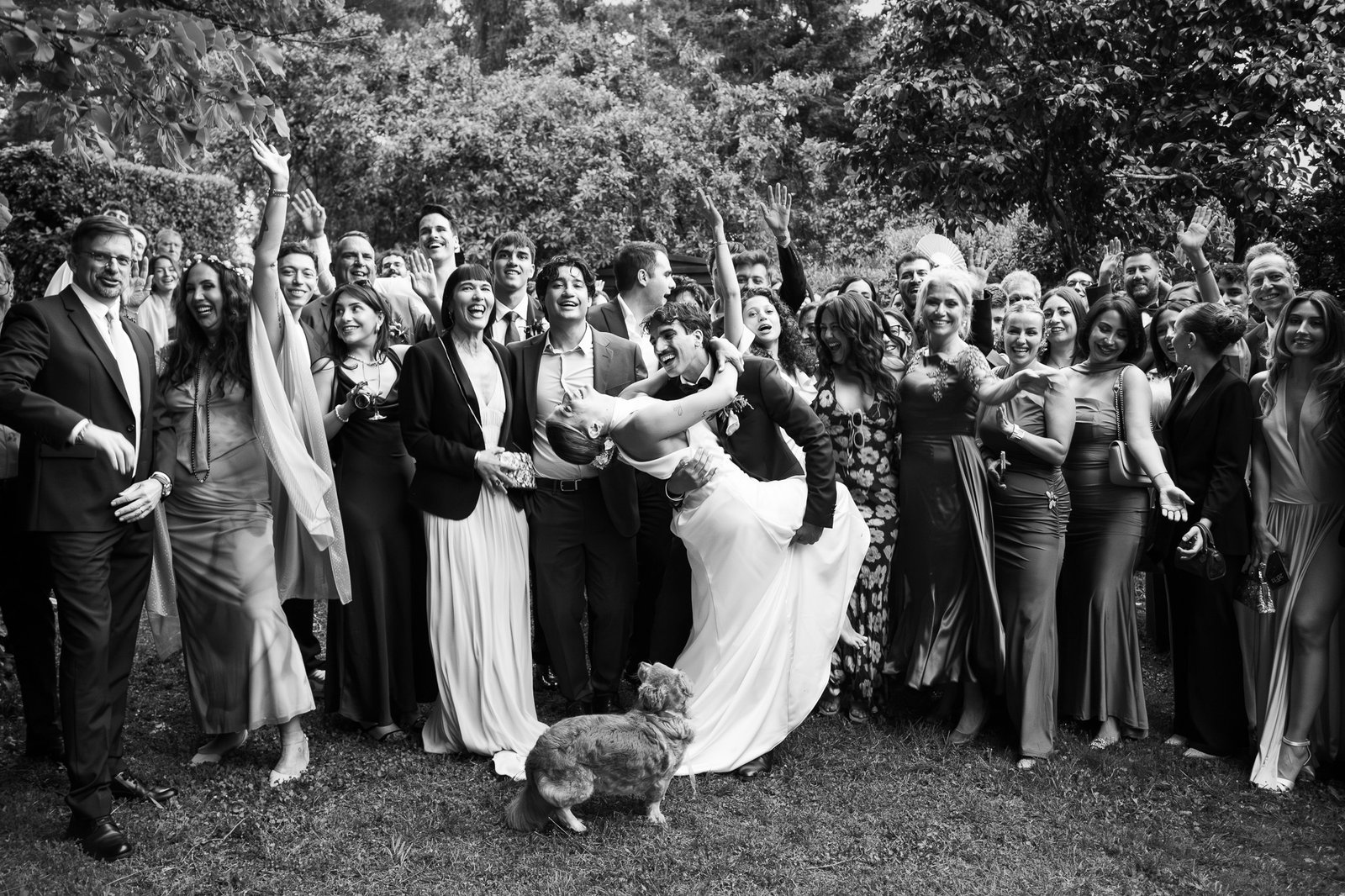
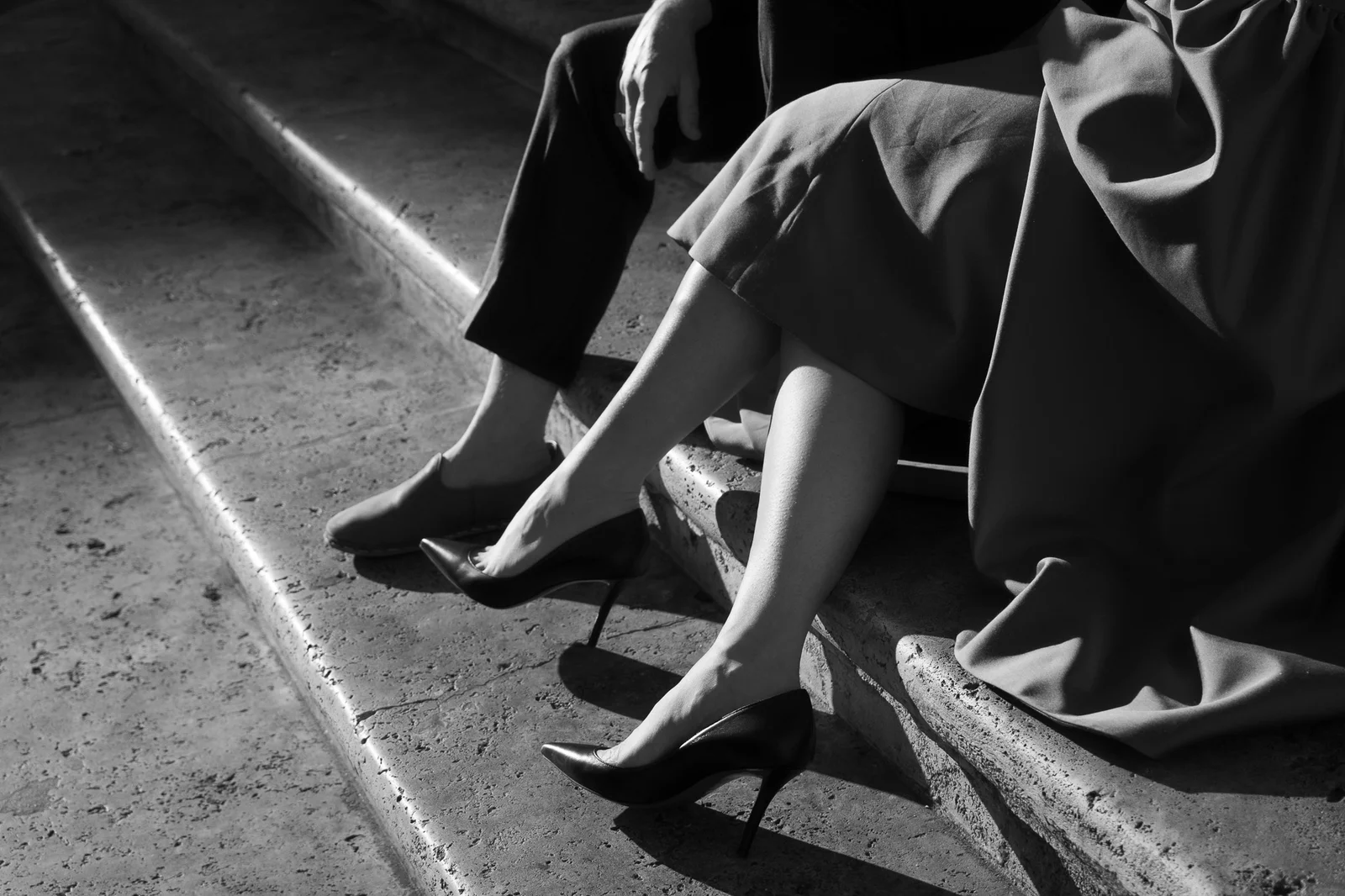
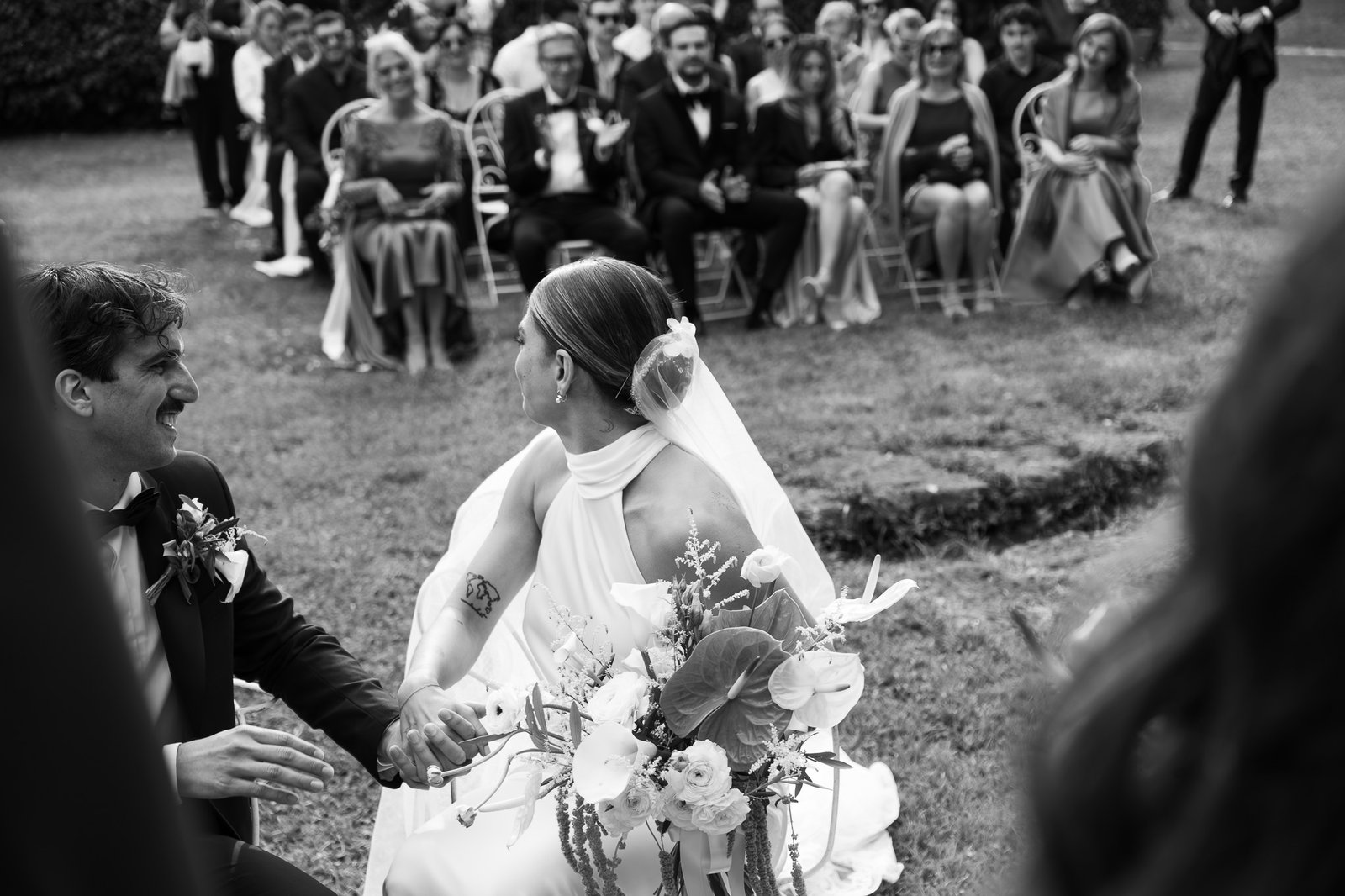
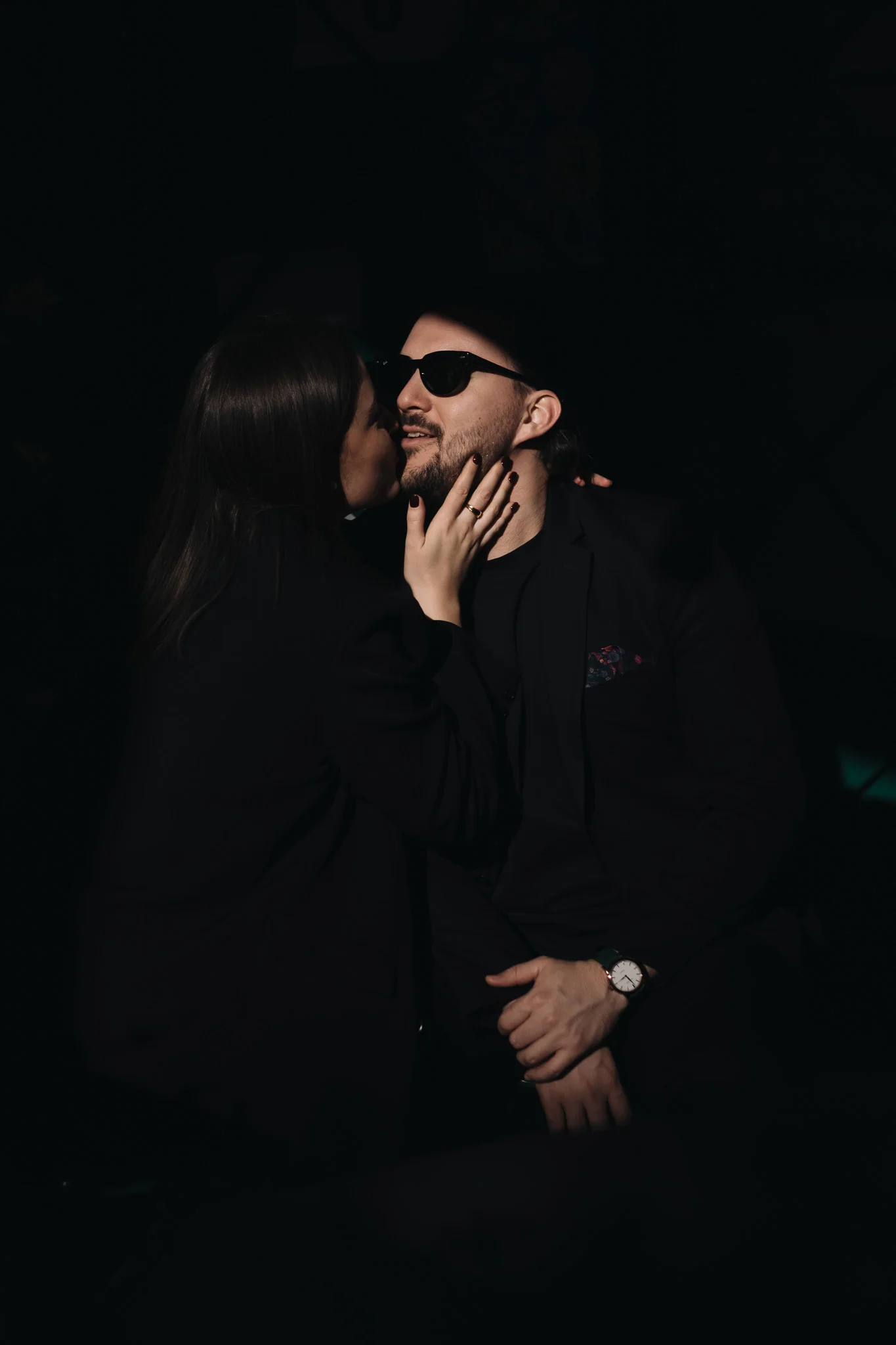
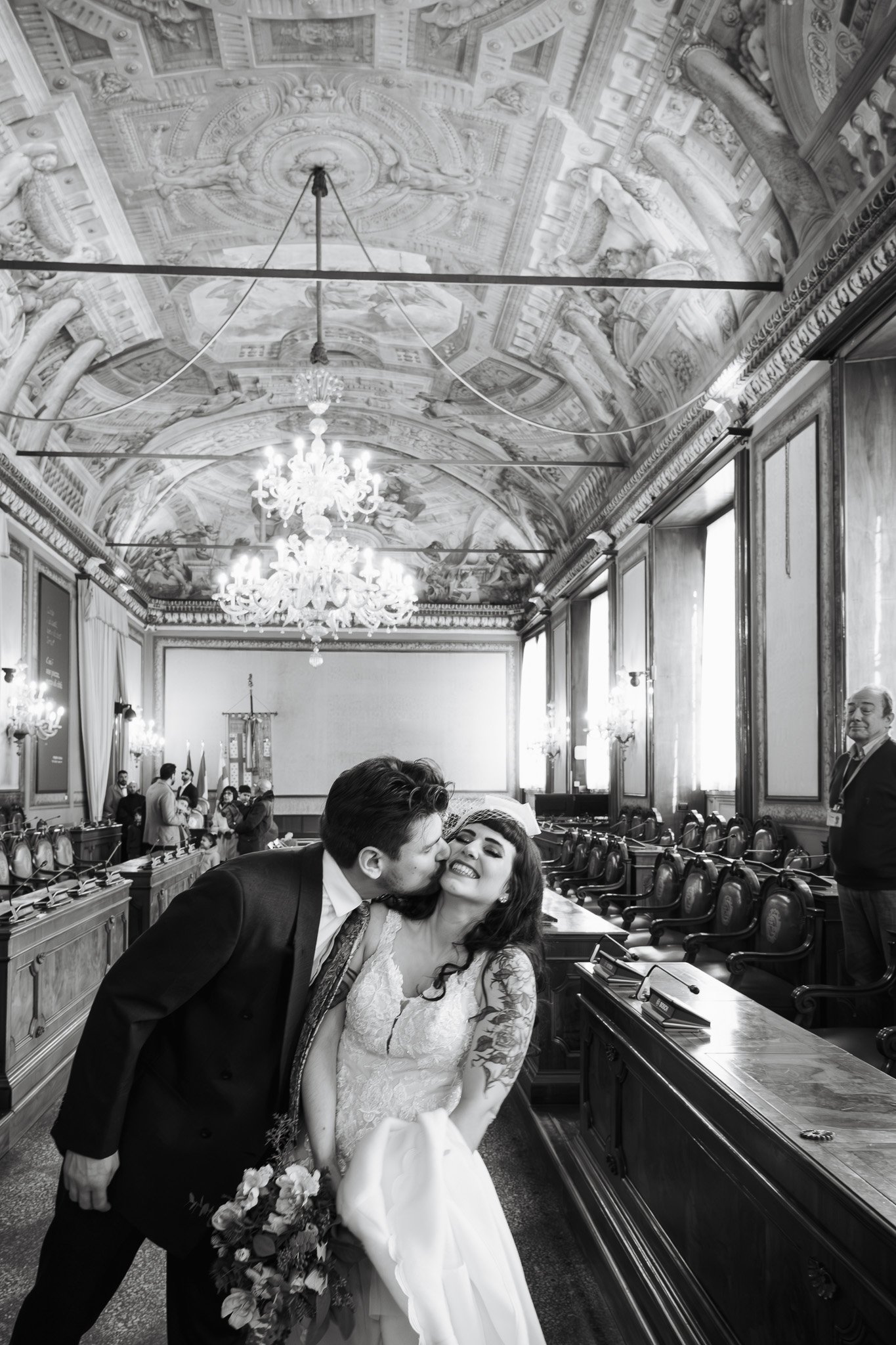
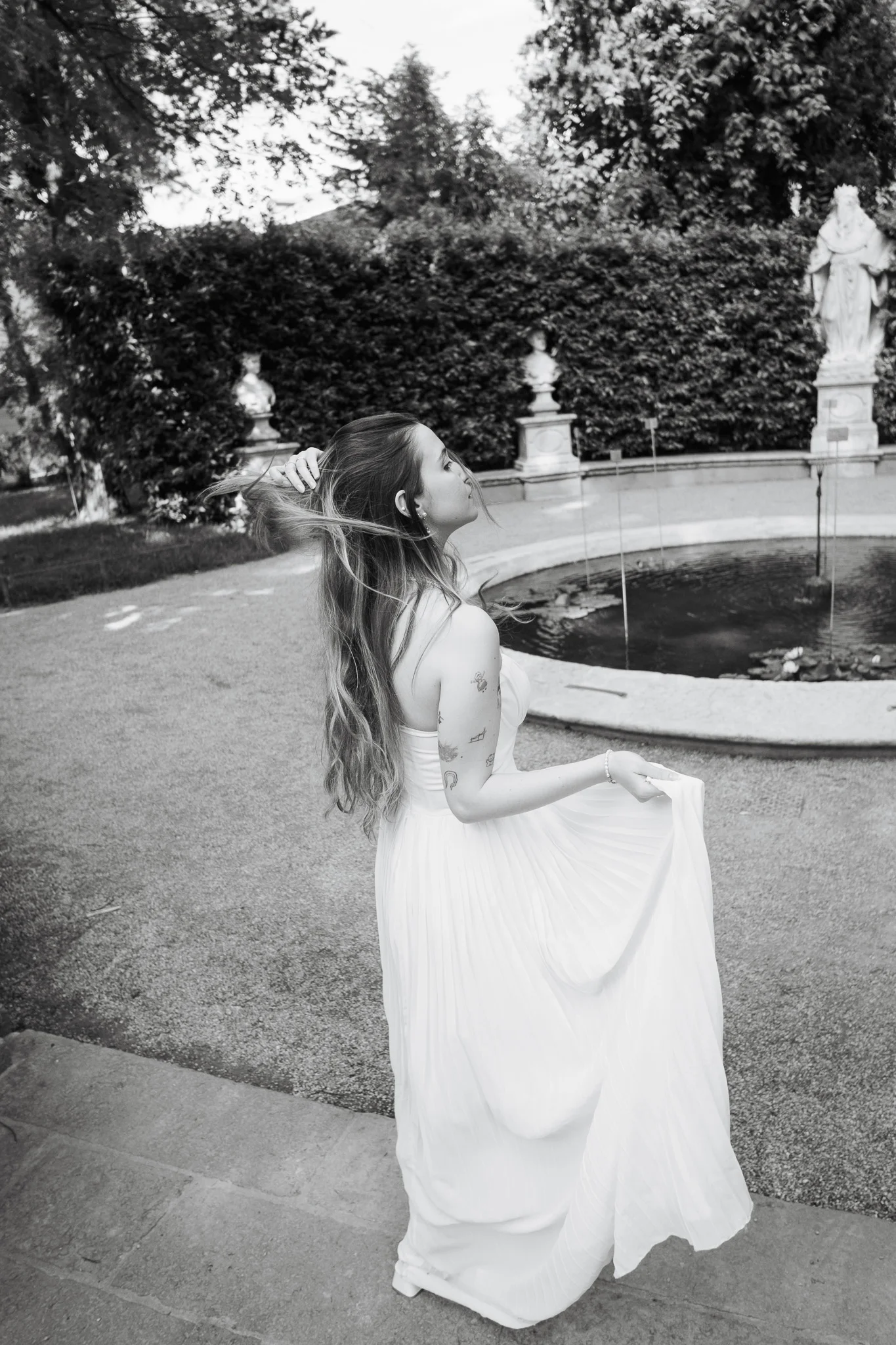
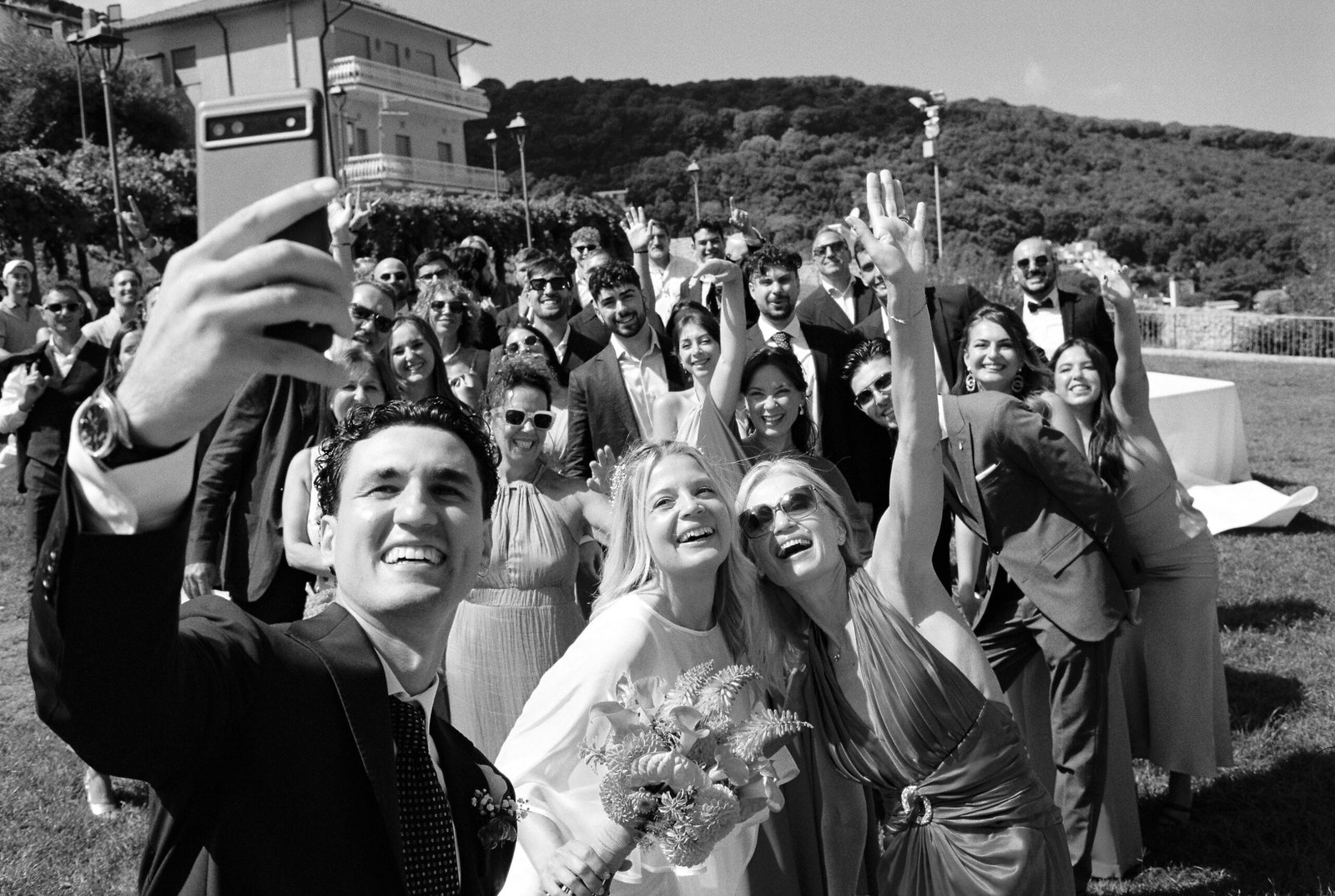
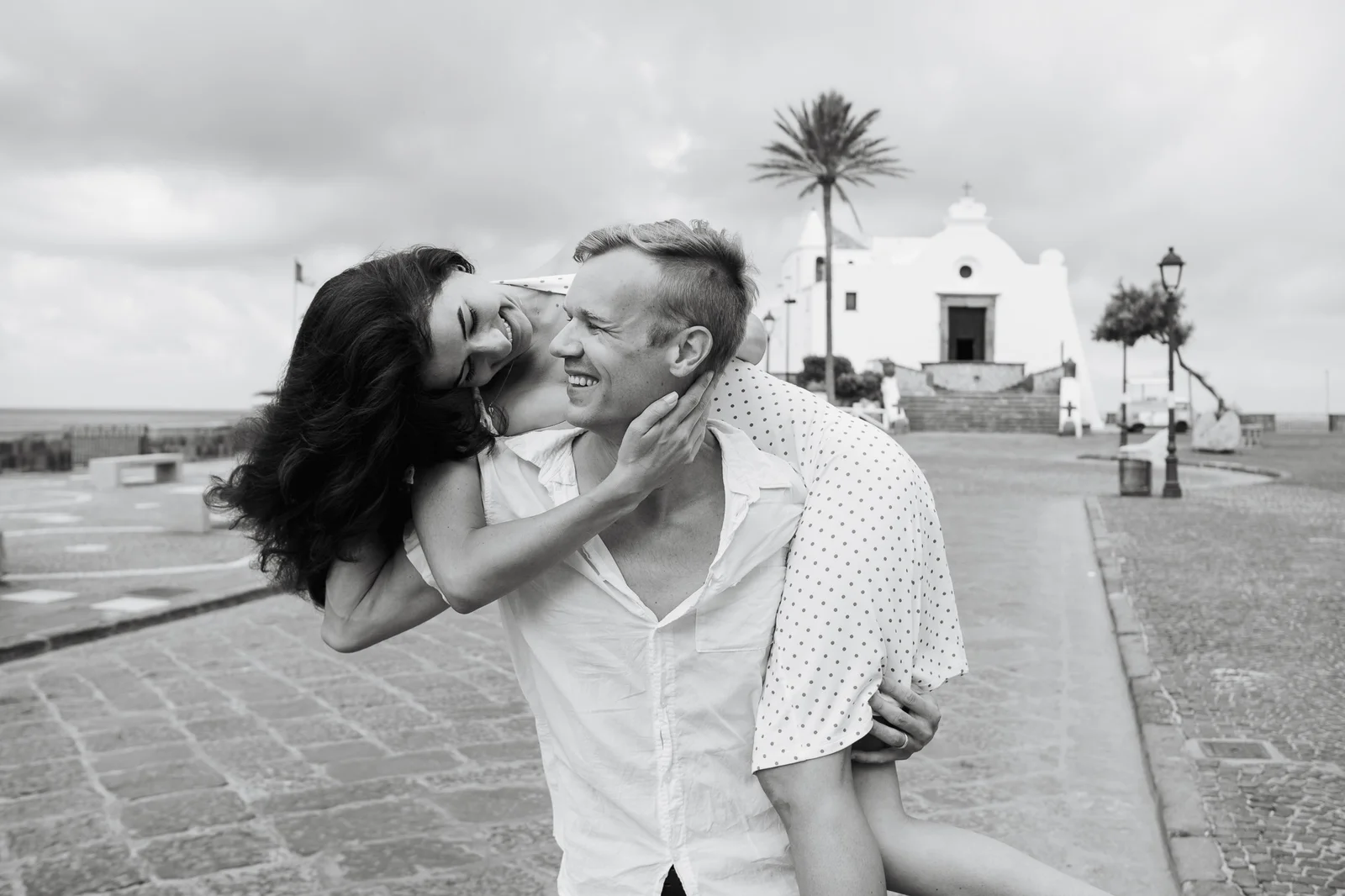
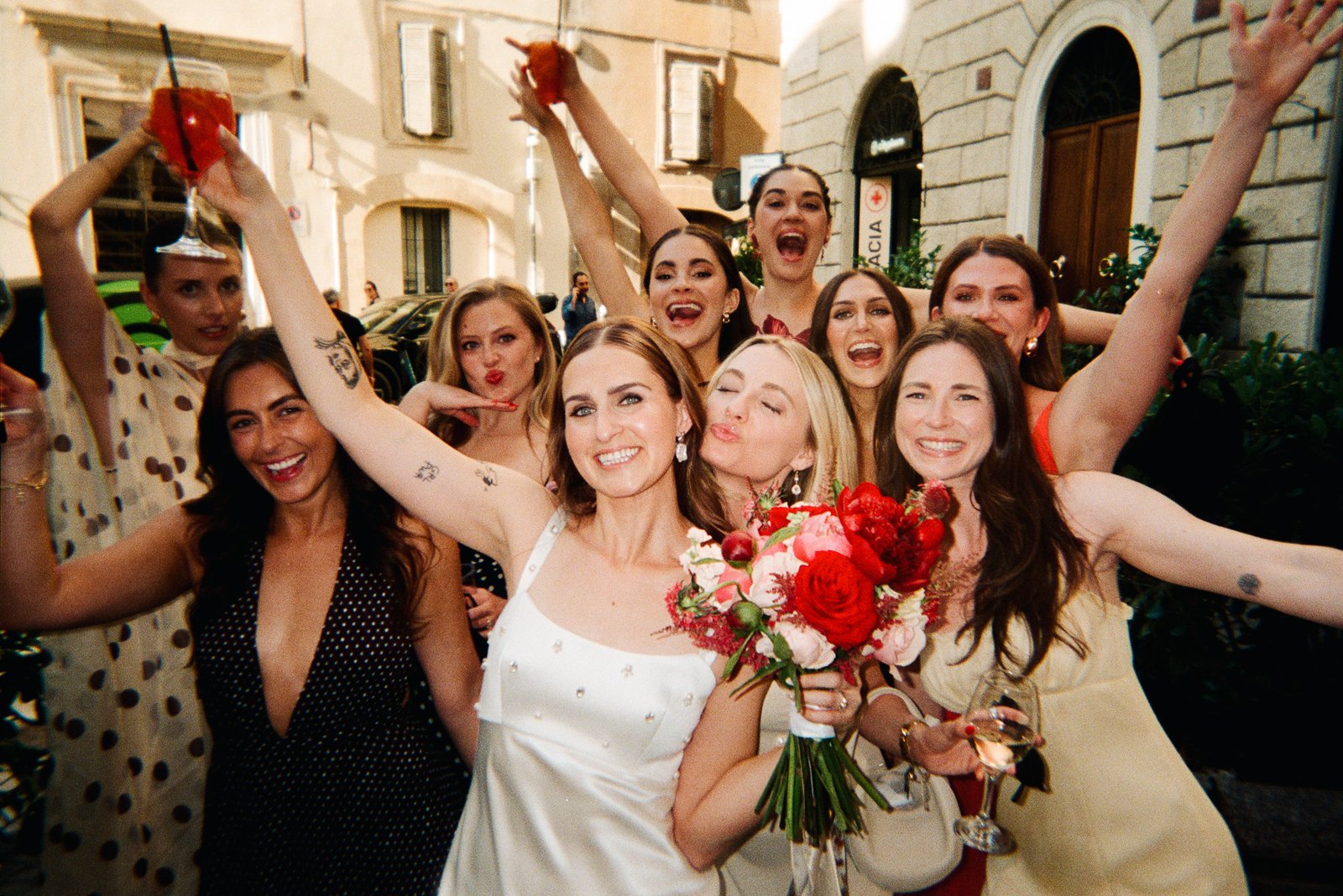
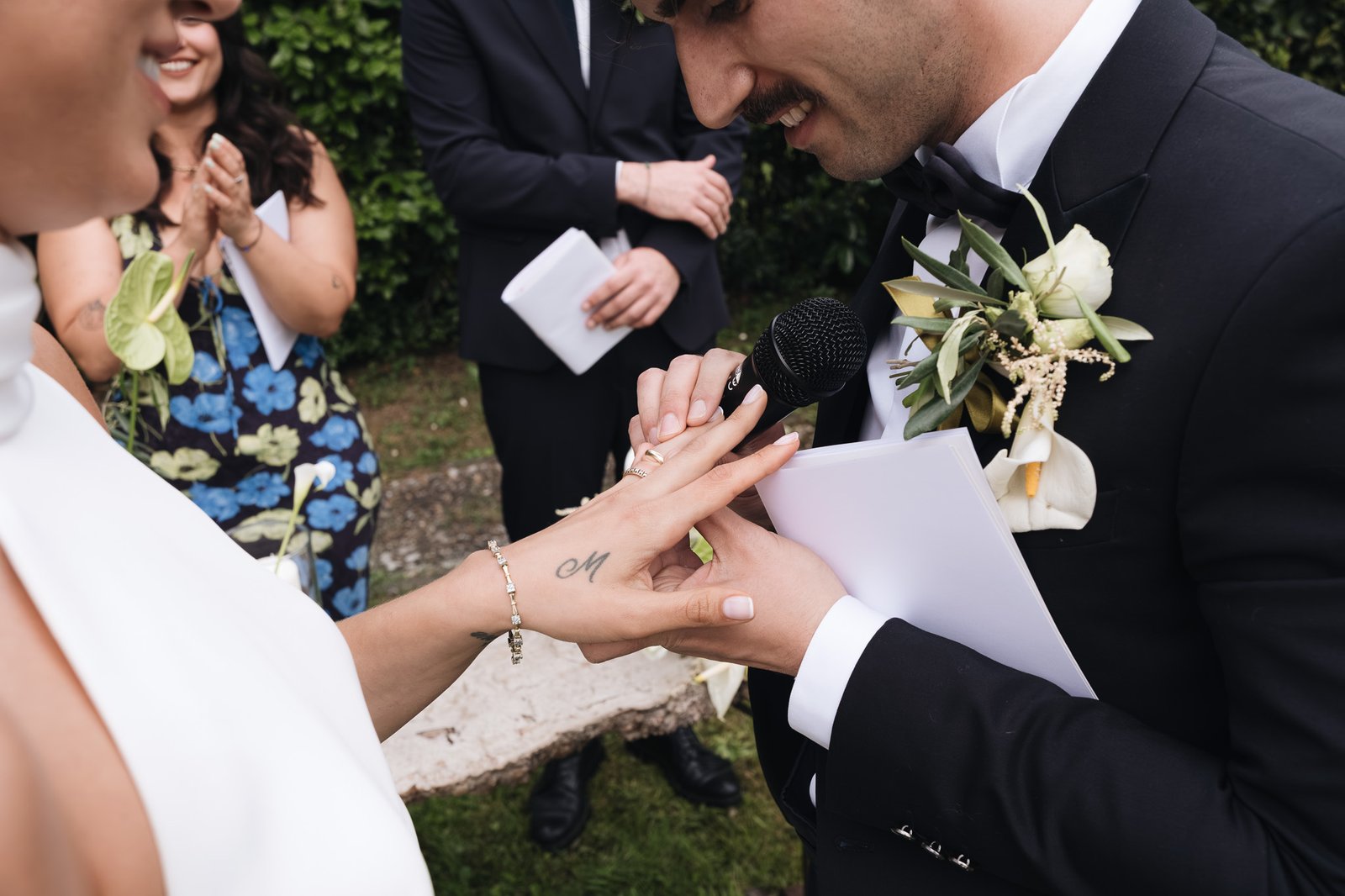
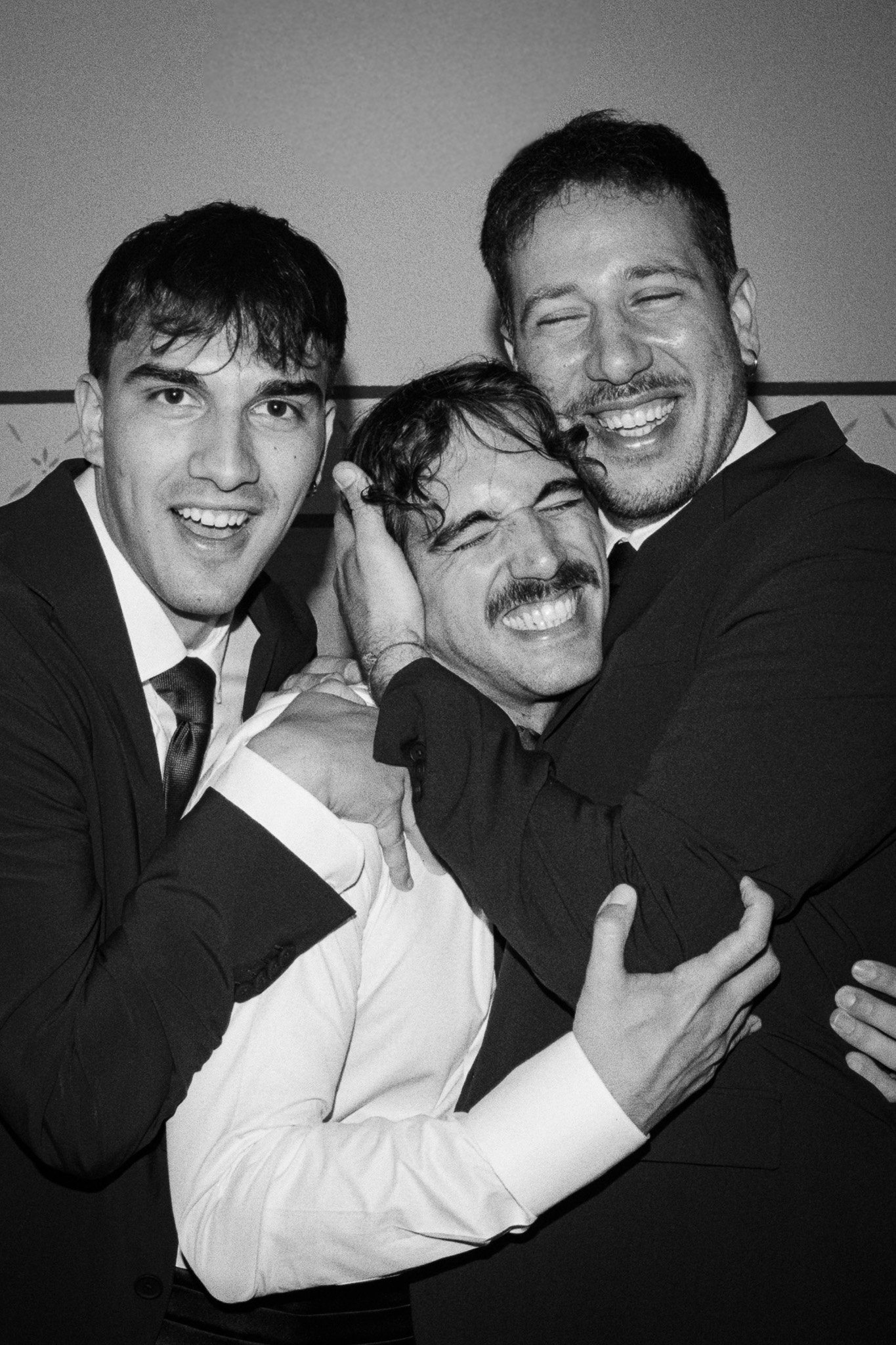
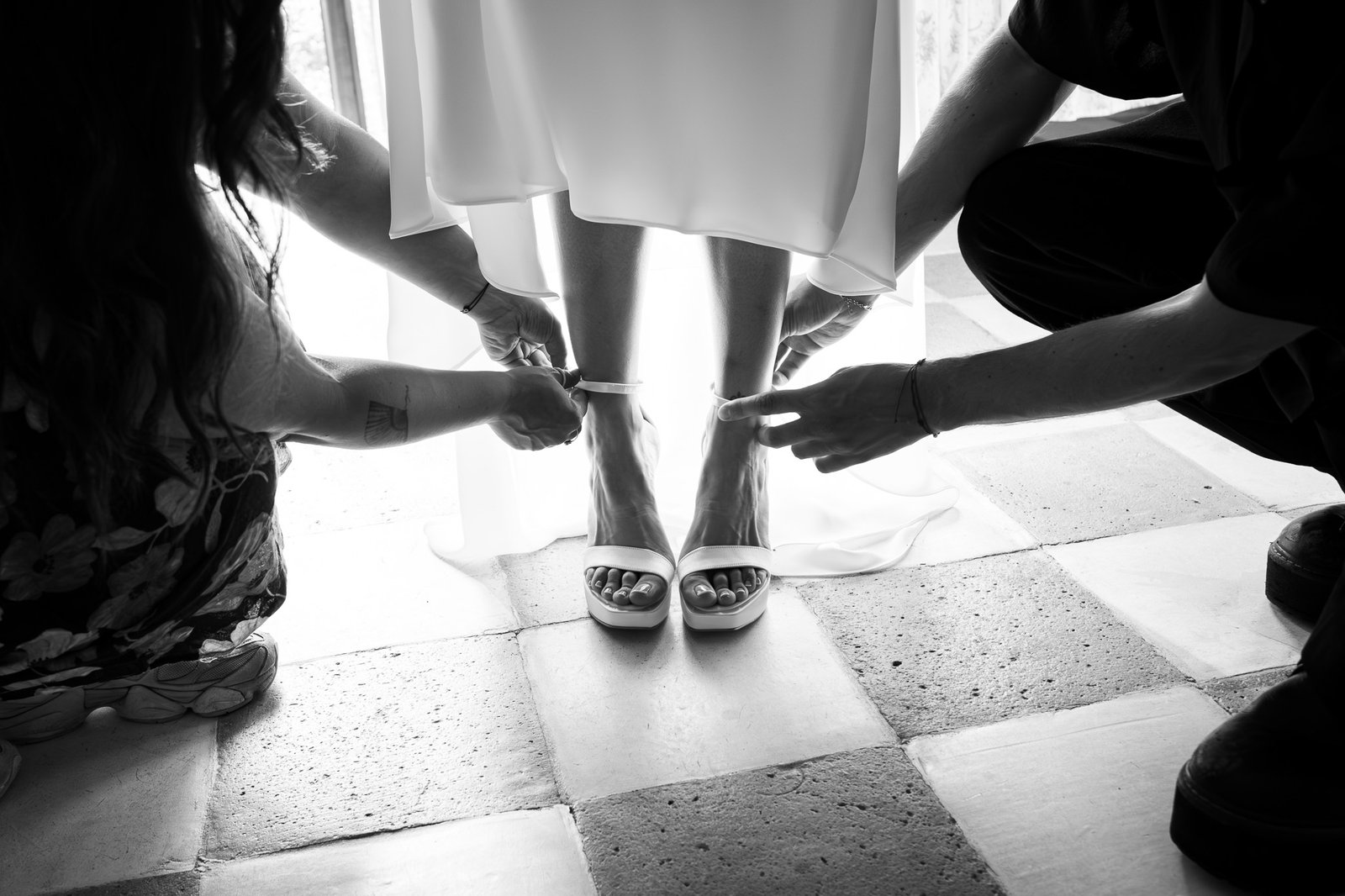
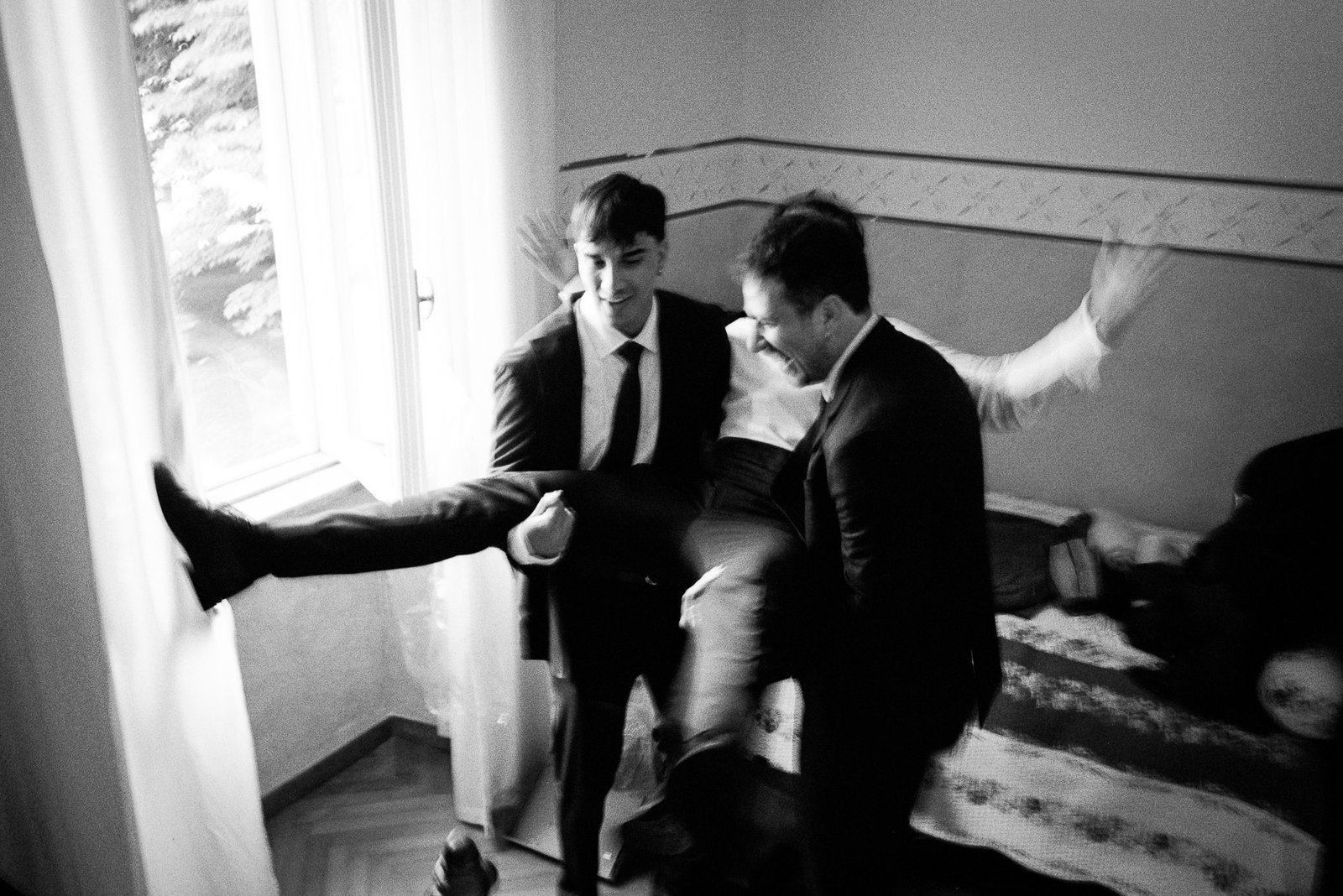
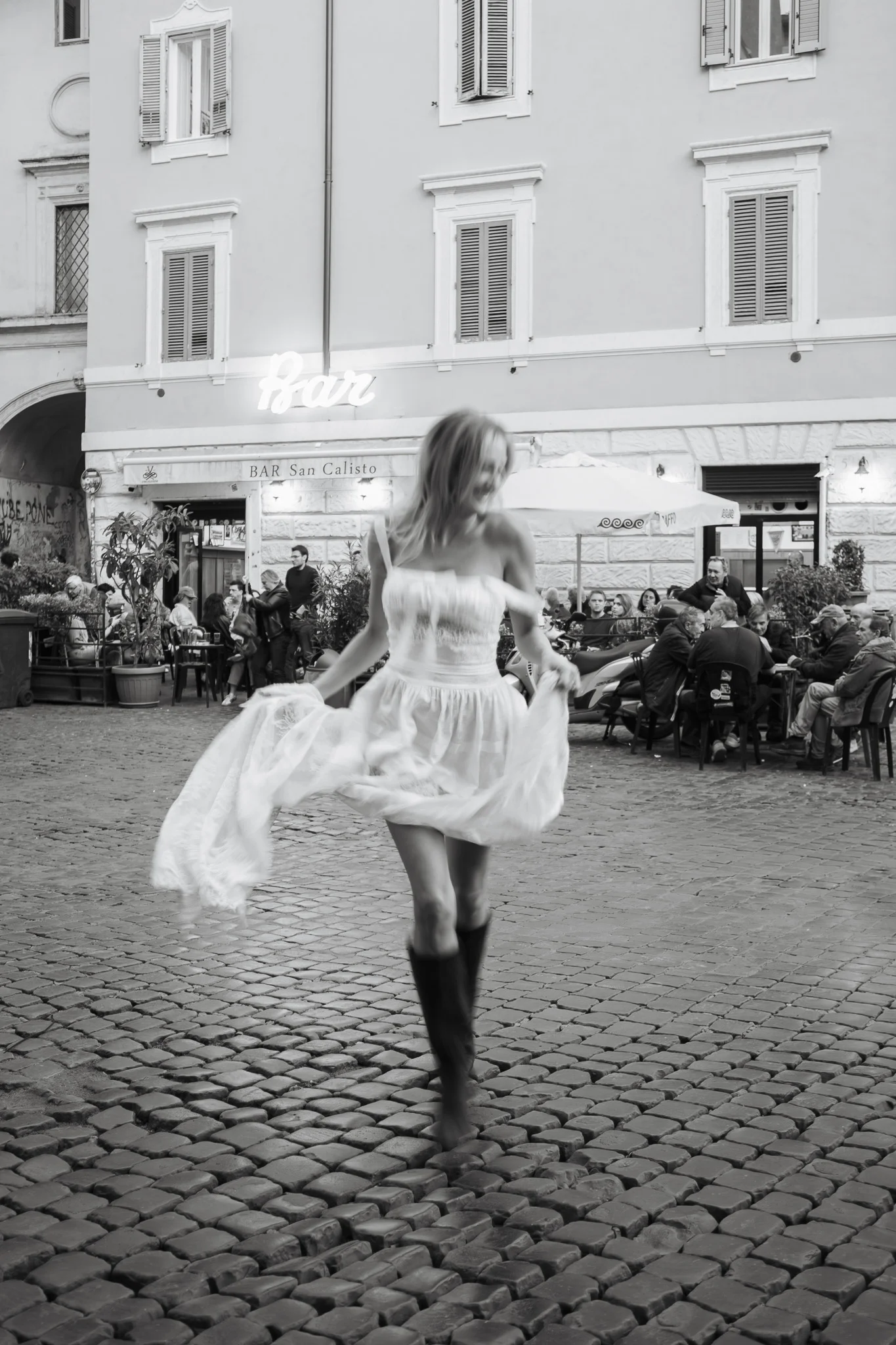
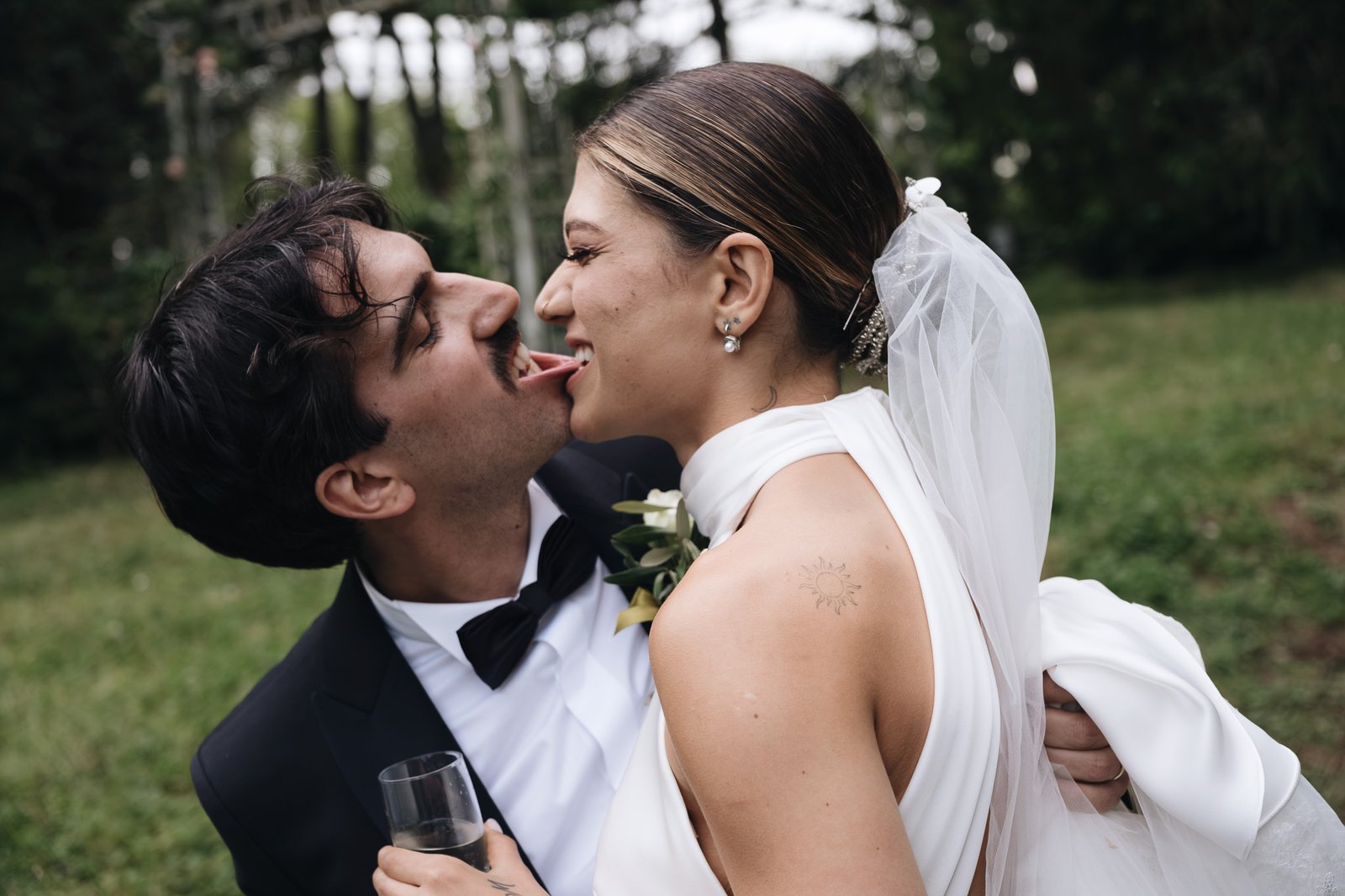
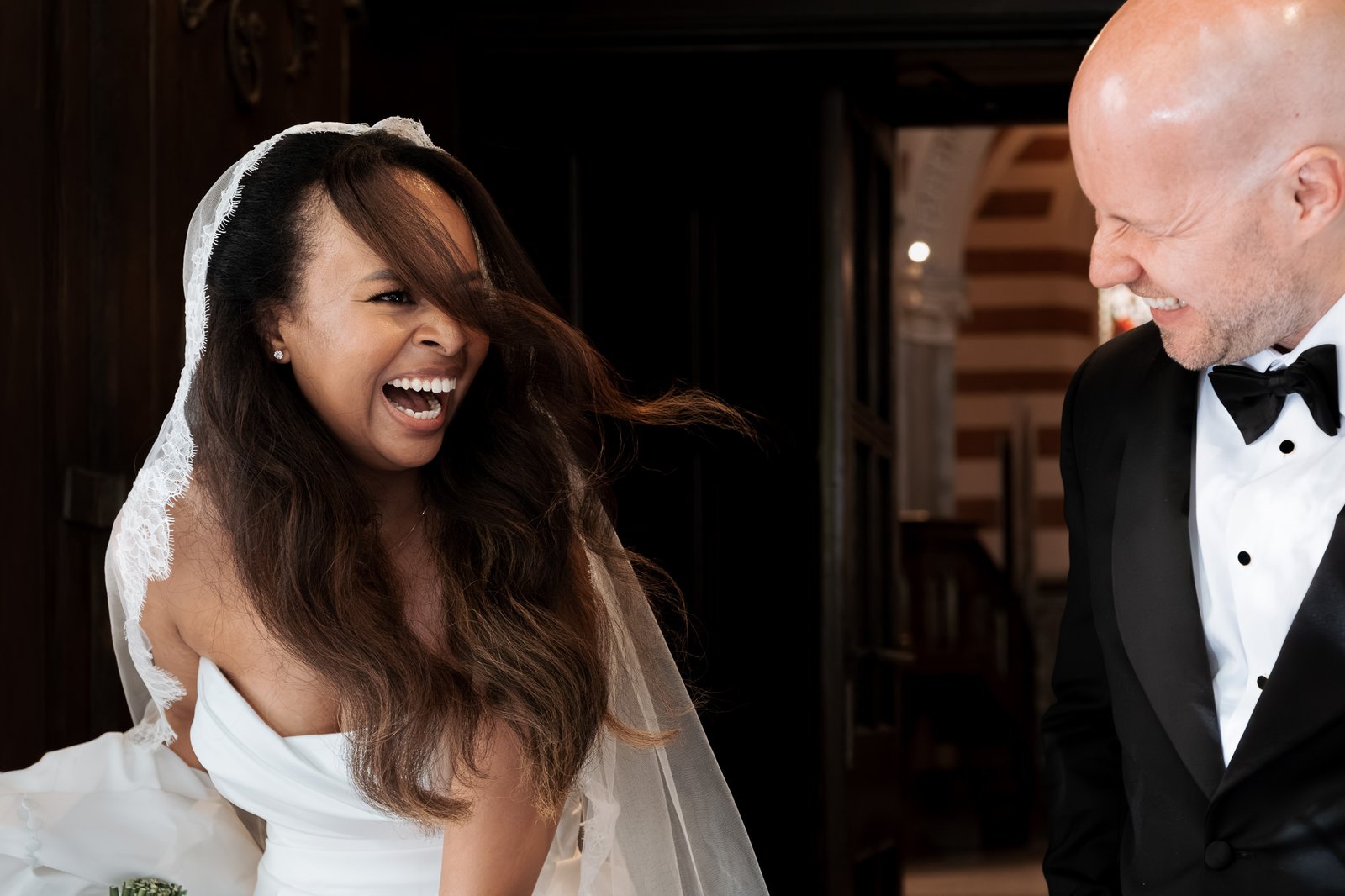
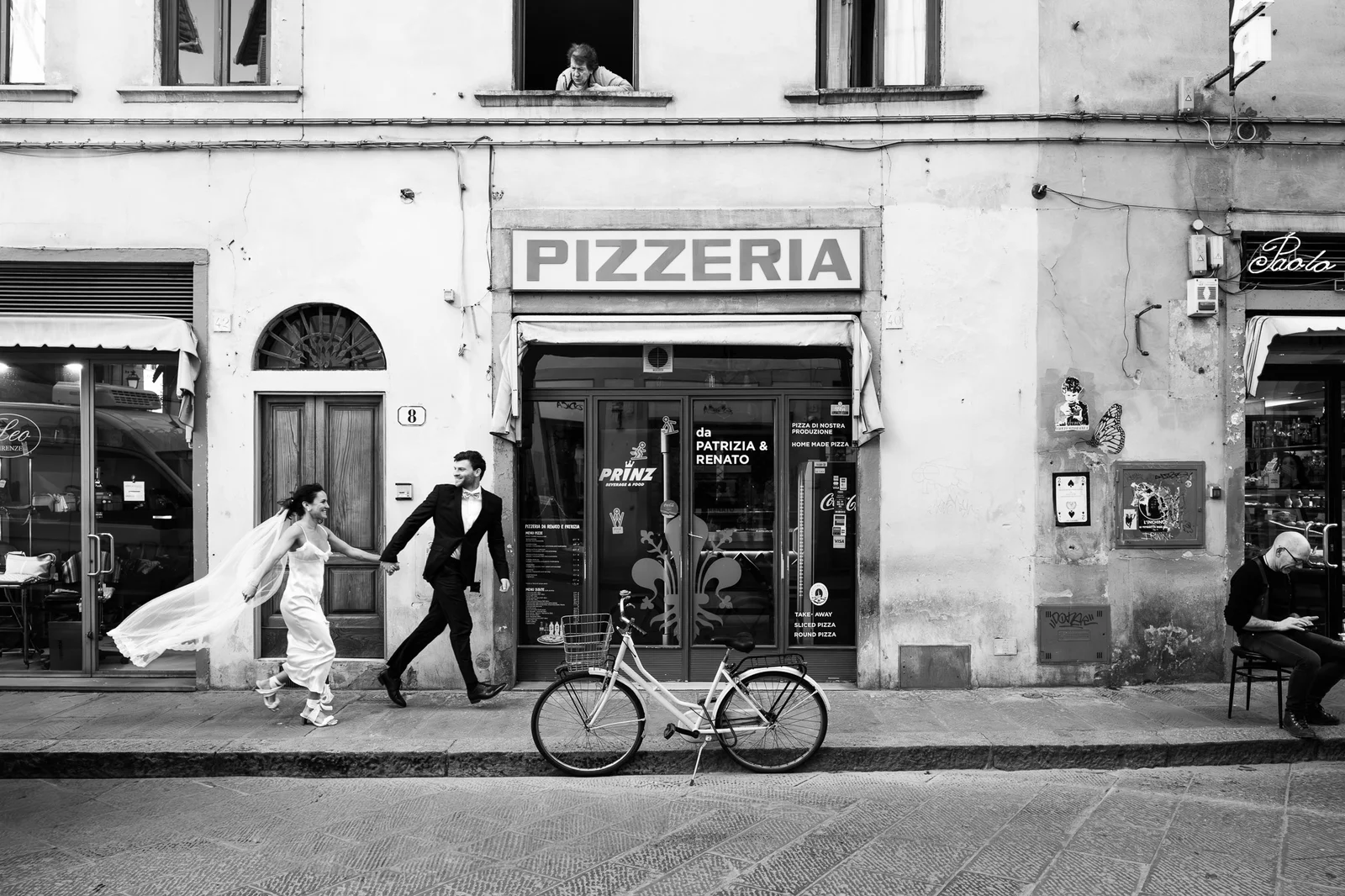
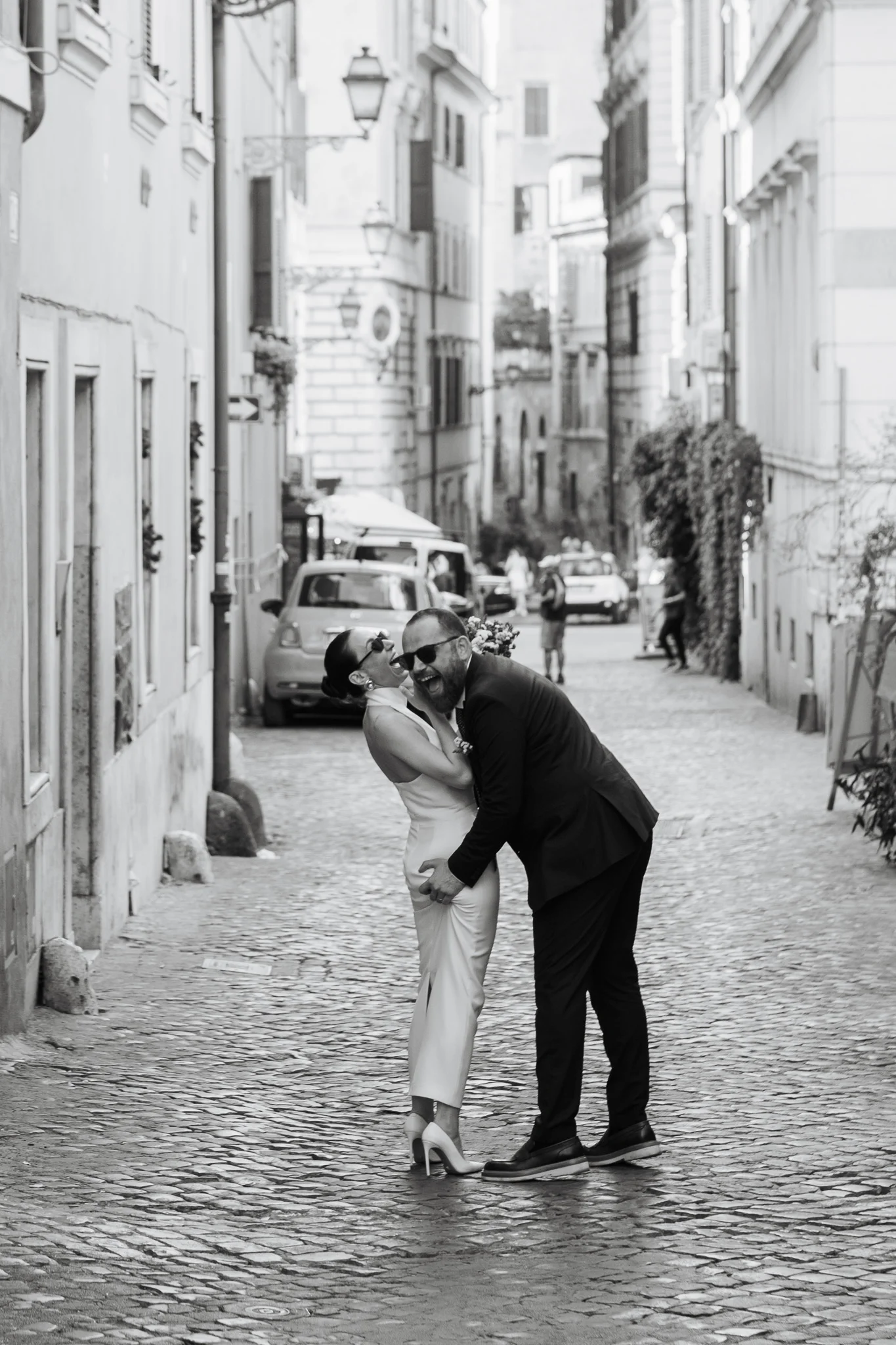
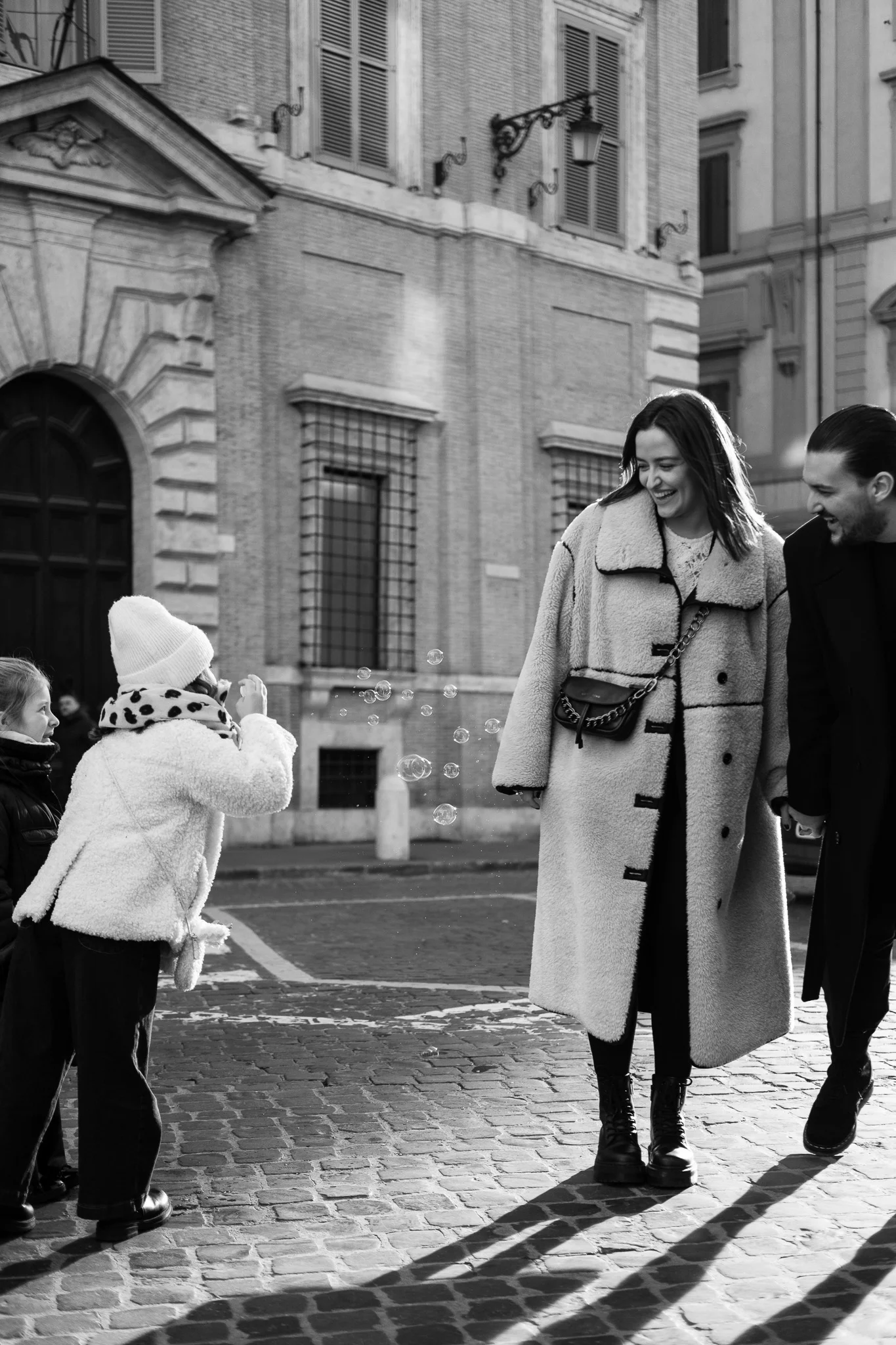
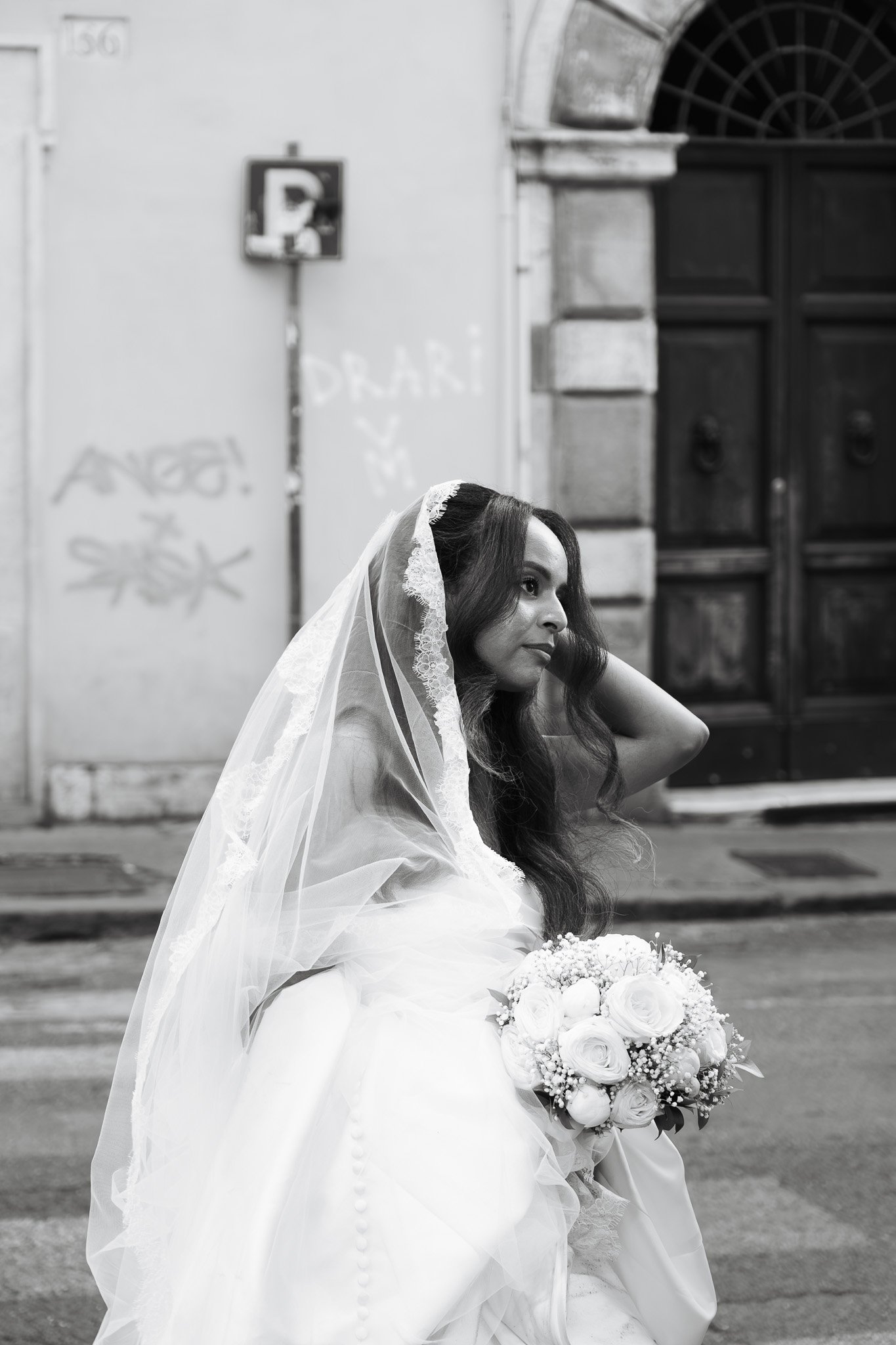
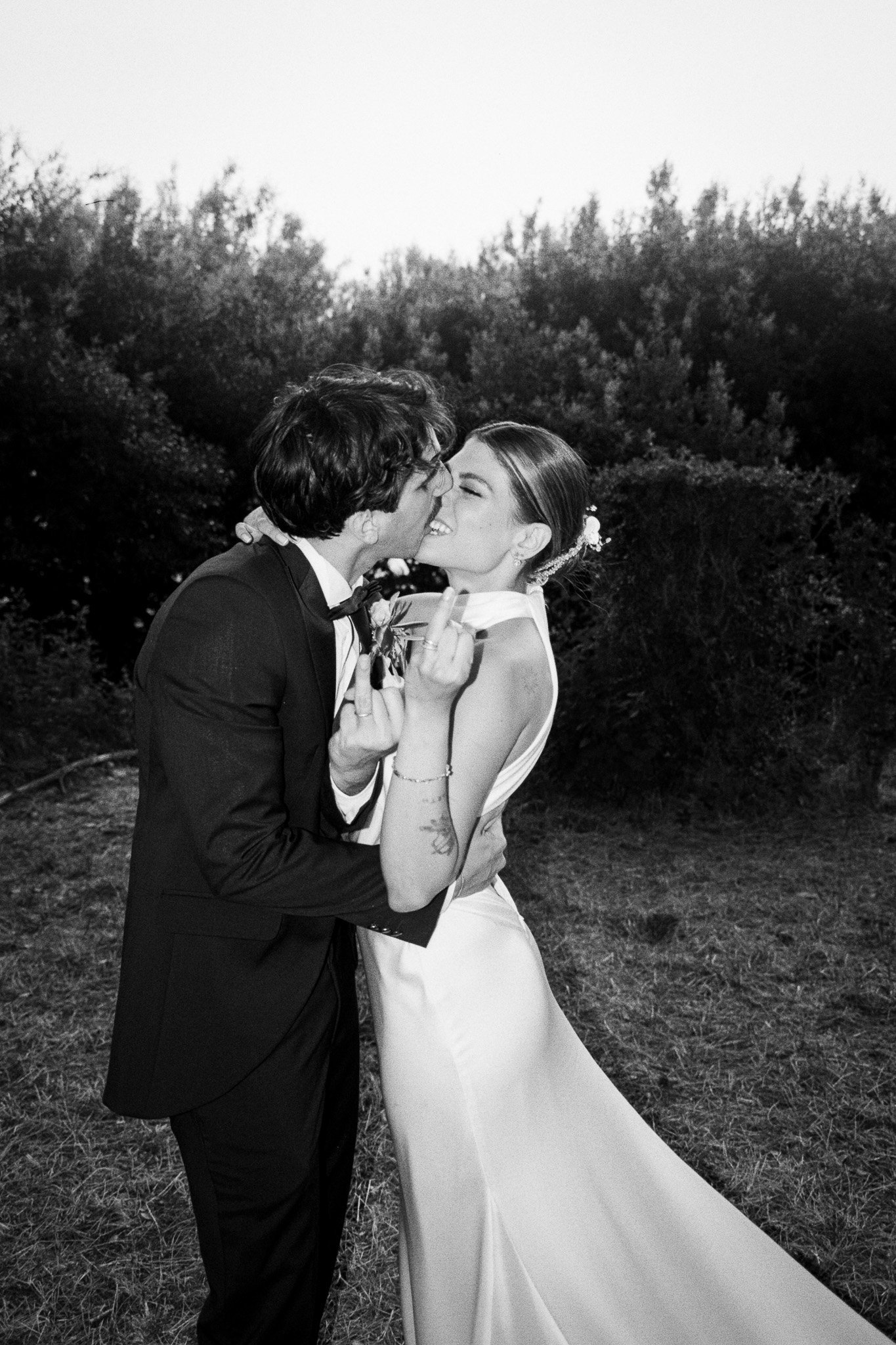
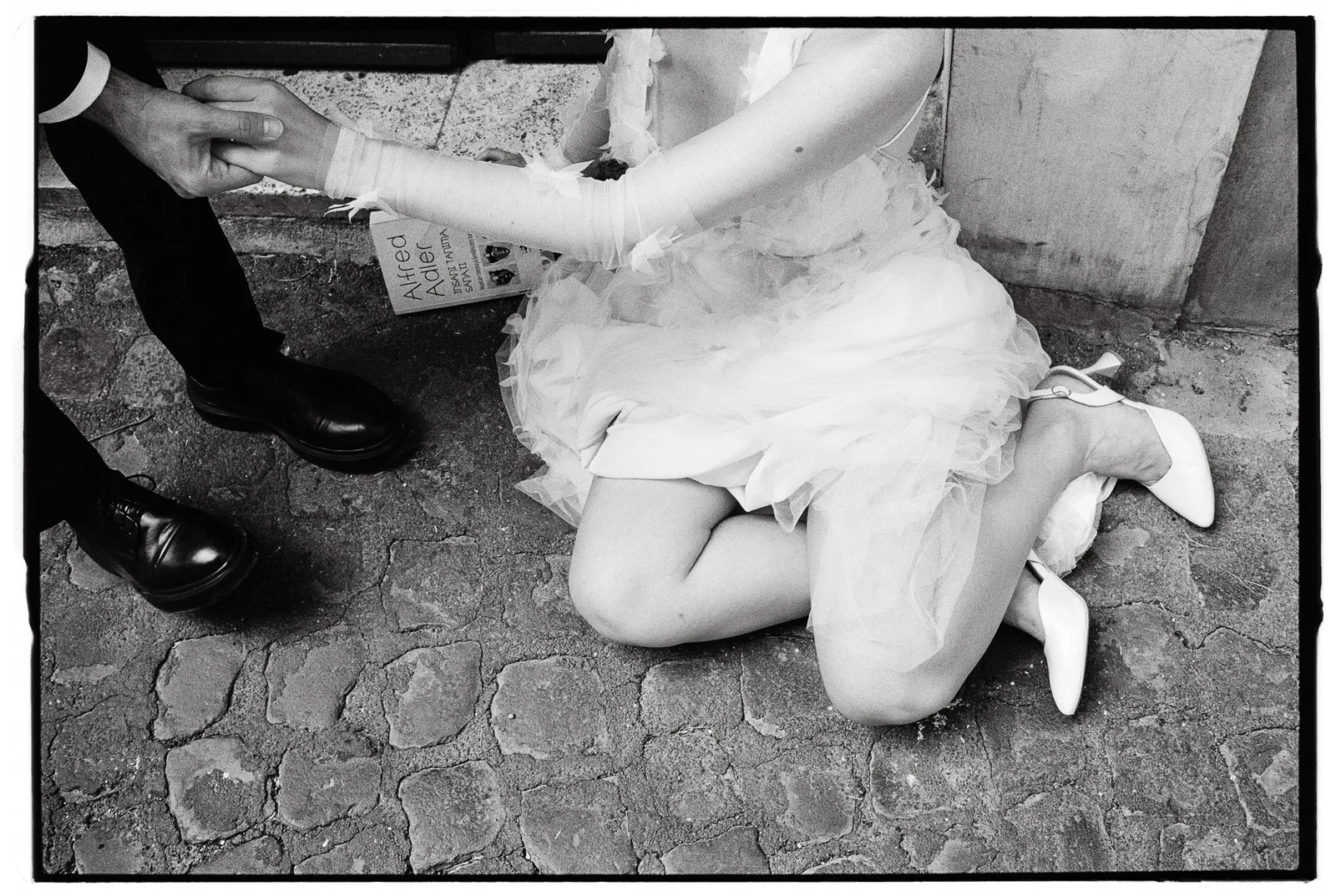
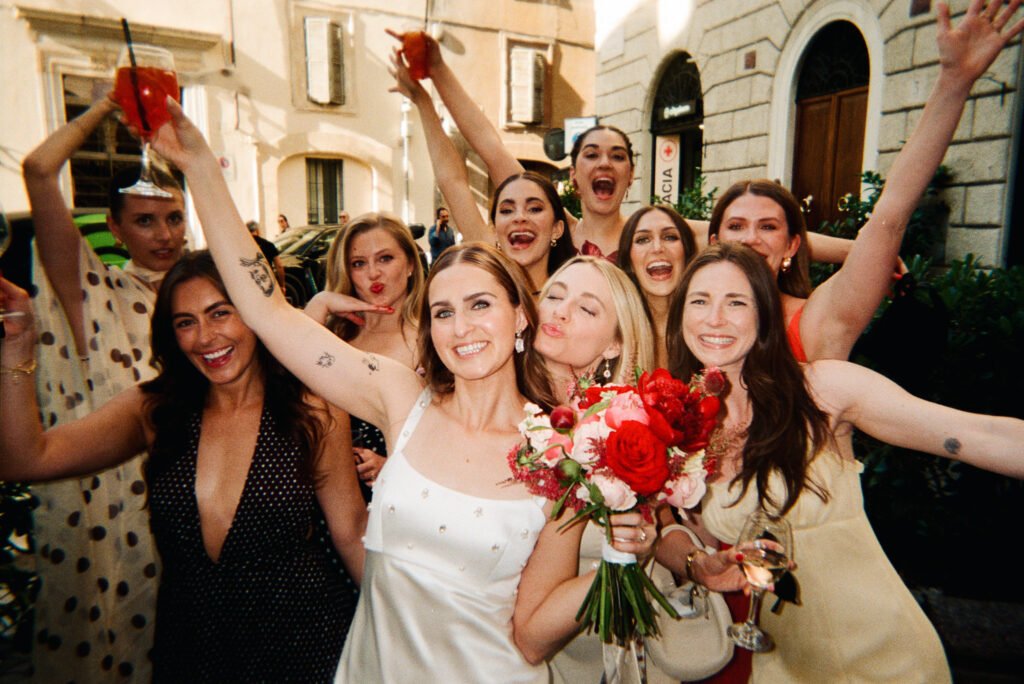
There is a particular kind of beauty that refuses to be staged. It appears for a second and disappears before anyone can ask it to stay. A hand reaching for another hand under the table. A father looking away before anyone notices he is crying. A bride laughing because the wind has ruined her hair in the most perfect way. A groom, suddenly quiet, a few minutes before the ceremony. A group of friends shouting, dancing, spilling wine, becoming part of the landscape of the day. This is where documentary wedding photography begins. For me, being a documentary wedding photographer in Italy is not only about avoiding poses. It is about paying attention to the invisible architecture of a wedding day: the rhythm, the nervousness, the tenderness, the small absurdities, the silence before everything begins and the chaos after everyone forgets the schedule.
A wedding is not a performance. Or at least, I do not believe it should feel like one.
It is a living thing.
And like every living thing, it deserves to be observed with patience, curiosity and respect.
Inside This Article
What Does Documentary Wedding Photography Mean?
Documentary wedding photography is the art of photographing a wedding day as it naturally unfolds. It is close to reportage, close to street photography, and sometimes even close to cinema. The photographer observes, anticipates, moves quietly, and reacts to life rather than forcing life to react to the camera.
This does not mean there is no aesthetic intention. Quite the opposite.
A documentary photographer still thinks about light, composition, distance, rhythm, timing and emotion. The difference is that the image is not built around an artificial pose. It is built around something real.
Henri Cartier-Bresson called it “the decisive moment.” Roland Barthes wrote about the photograph as a proof of “that-has-been.” Susan Sontag wrote that “to collect photographs is to collect the world.”
I think wedding photography lives somewhere between all of these ideas.
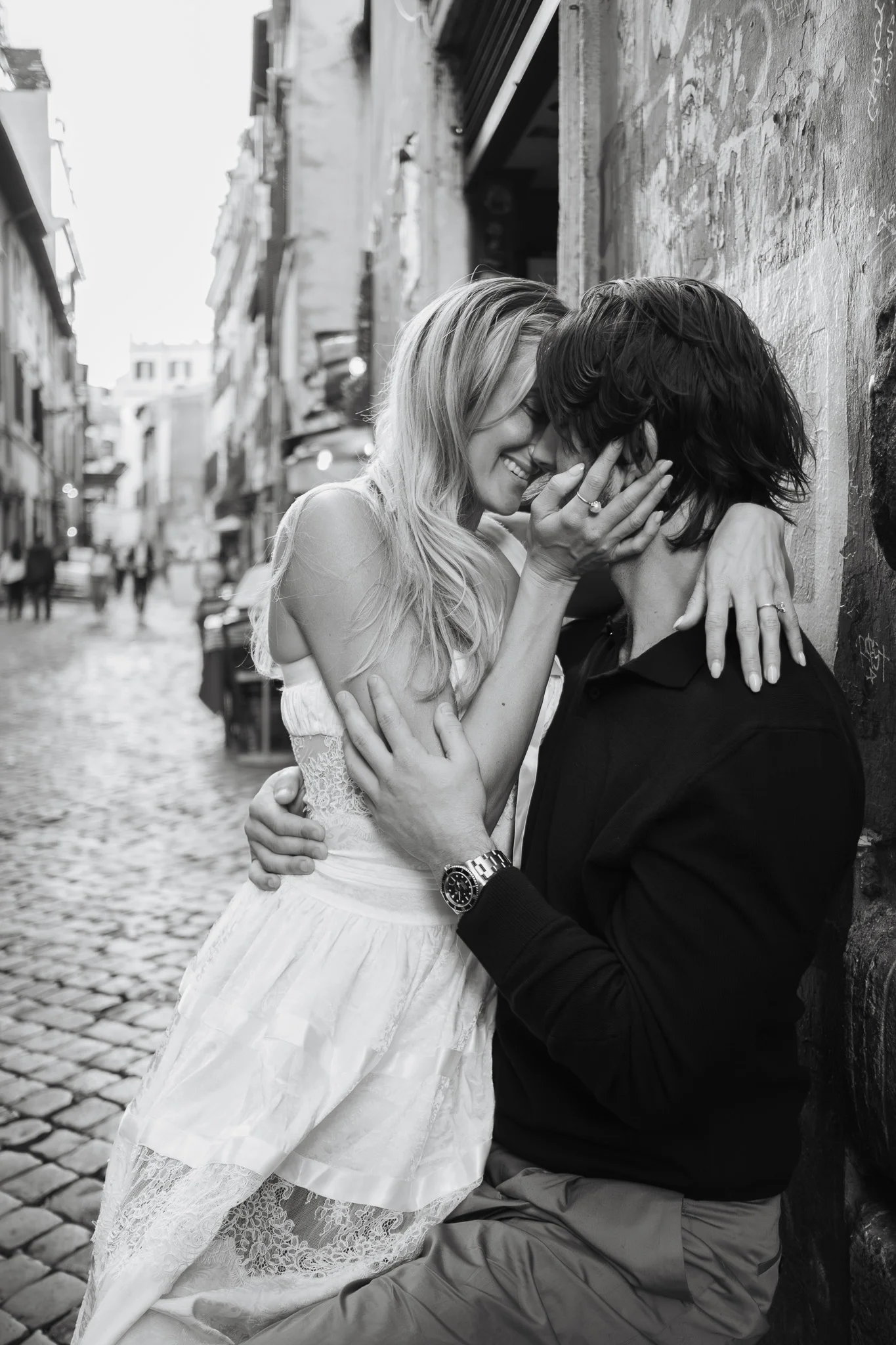
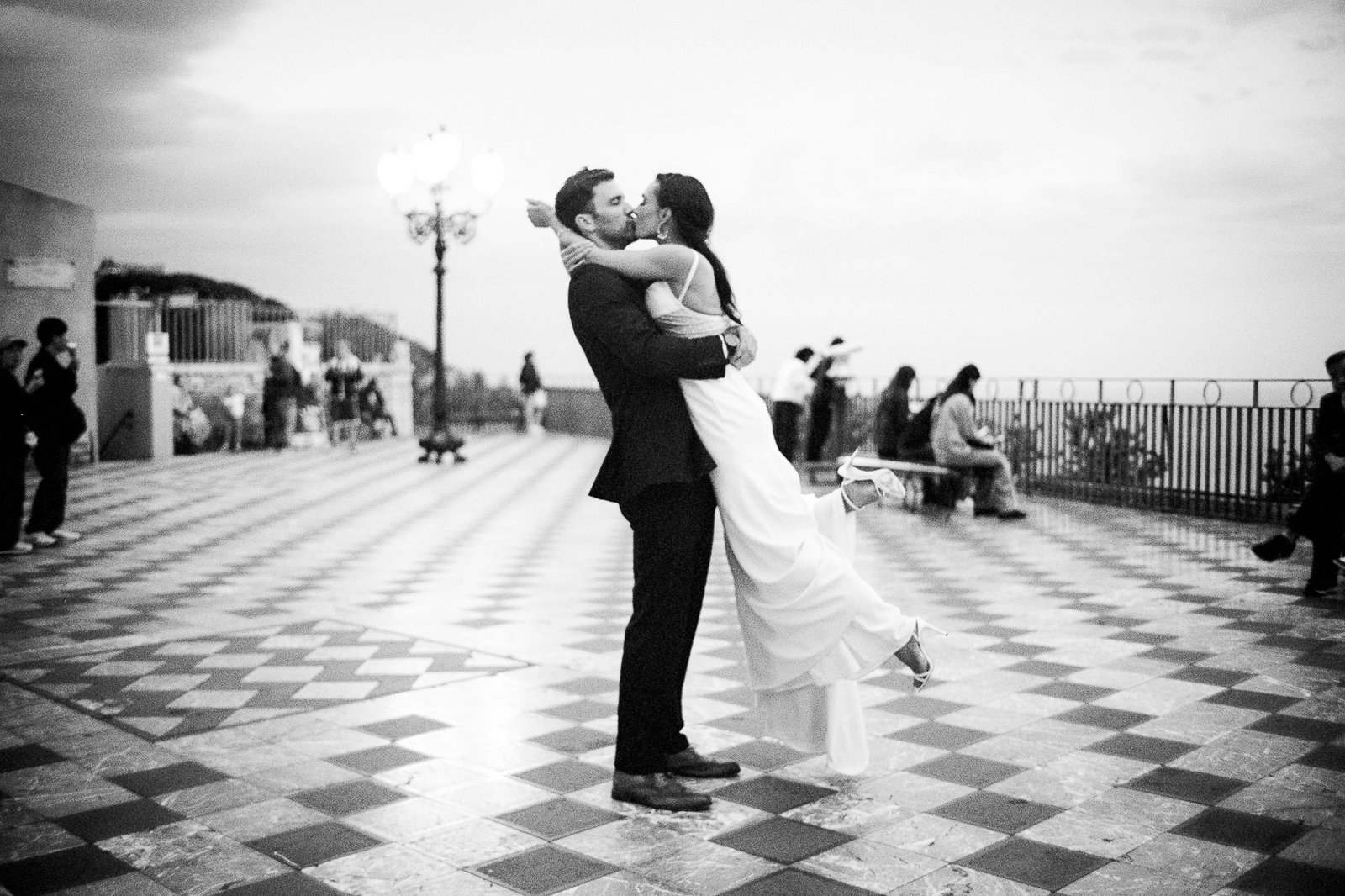
A wedding photograph says: this happened. These people were here. This light touched them. This was the atmosphere. This was the way she looked at him when no one was directing her. This was the way his mother held his face for half a second longer than expected.
That is why documentary wedding photography matters.
Because memory is not made only of big moments. It is made of fragments.
Candid Does Not Mean Random
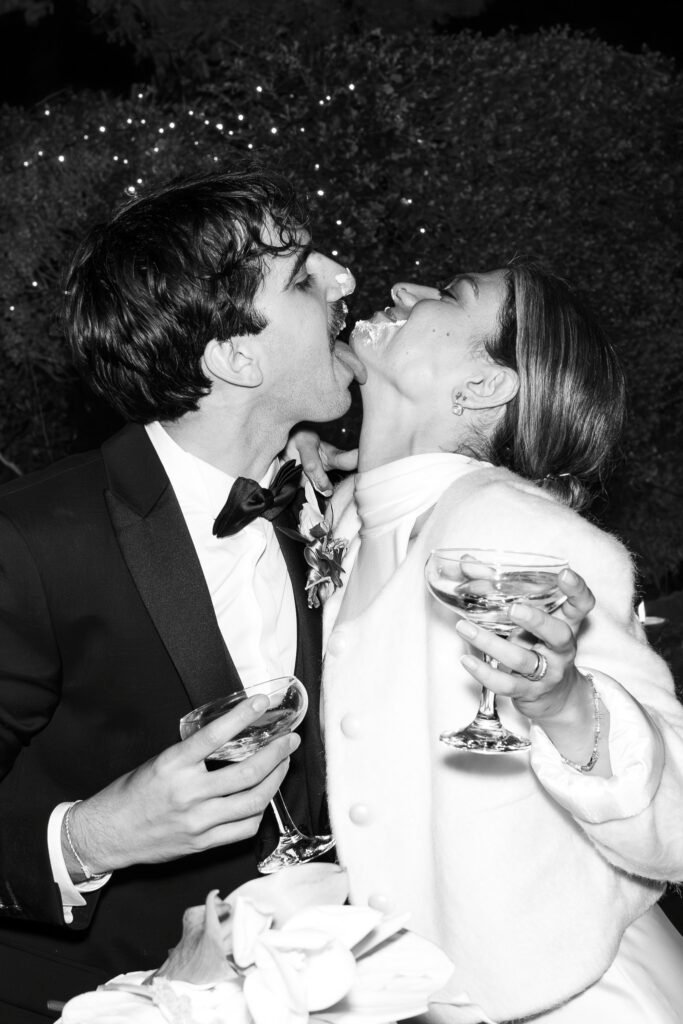
One of the biggest misunderstandings about candid wedding photography is the idea that it is casual or accidental. It is not.
A candid photograph may look effortless, but the photographer is constantly making decisions. Where should I stand? What is about to happen? Where is the light coming from? Who is emotionally connected to this moment? Should I be close, or should I disappear? Should I wait? Should I move?
The final image may feel natural, but the seeing behind it is active.
I often think of Andrei Tarkovsky’s idea of cinema as “sculpting in time.” Documentary wedding photography is not so different. A wedding photographer does not invent the day, but chooses how to preserve its passing. Time moves, people move, light changes, and the photographer has to shape all of that into memory.
This is why candid does not mean careless.
For me, candid means attentive. It means emotionally awake. It means being interested not only in how things look, but in how they feel.
Why Italy Works So Well for Documentary Wedding Photography
Italy is generous with beauty, sometimes almost too generous.
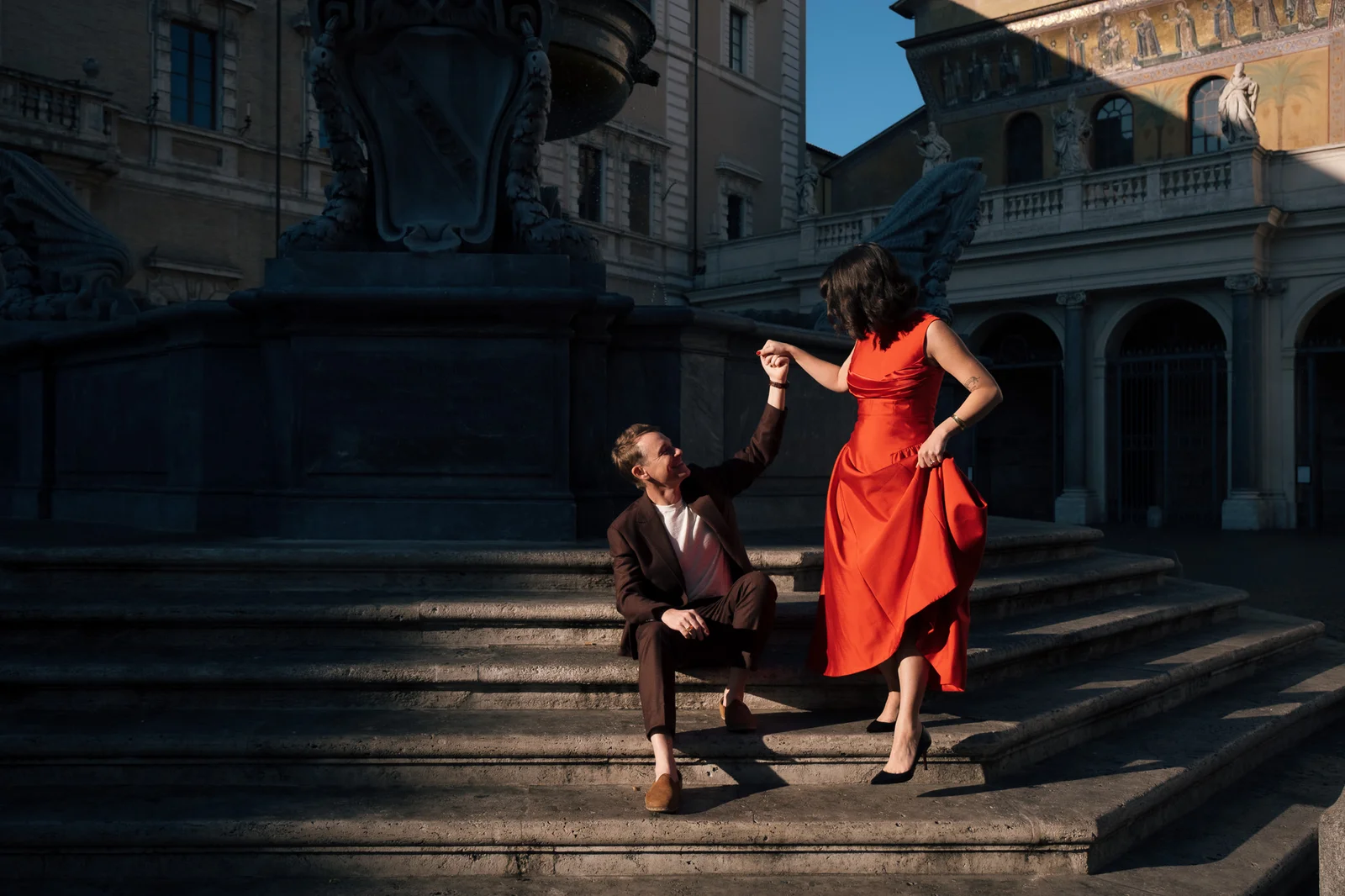
There are Renaissance palaces, Roman ruins, Sicilian villages, Tuscan hills, lakes surrounded by mountains, churches full of history, terraces full of light, and streets that seem designed for cinema. But when photographing weddings in Italy, I am not interested in turning couples into decorations inside a postcard.
Italy should not swallow the story.
It should hold it.
As a wedding photographer based in Rome, I work with couples who come to Italy not only for the scenery, but for the feeling of the place. They want long dinners, imperfect streets, old stones, family-style tables, warm evenings, espresso before the ceremony, a walk through a village, a sudden change of weather, a moment that feels both private and cinematic.
Italy gives us a stage, yes.
But documentary wedding photography is about remembering that the couple is not performing for the stage. They are living inside it.
Whether I photograph an intimate elopement in Rome, a countryside wedding in Tuscany, a seaside celebration in Sicily, or a small wedding somewhere between an old town and a vineyard, I am always looking for the human element inside the beauty.
The place matters. But the connection matters more.
My Approach as a Documentary Wedding Photographer in Italy
My approach is quiet, observant and instinctive.
I do not like turning a wedding day into a long photoshoot. I do not want couples to feel like they are working for the camera on one of the most emotional days of their lives. I want them to stay inside the experience.
Of course, I guide when guidance is needed. Family photos need a little structure. Couple portraits sometimes need a direction, a walk, a pause, a suggestion. But even then, I prefer movement over posing, conversation over performance, atmosphere over perfection.
I am not searching for frozen smiles.
I am searching for life.
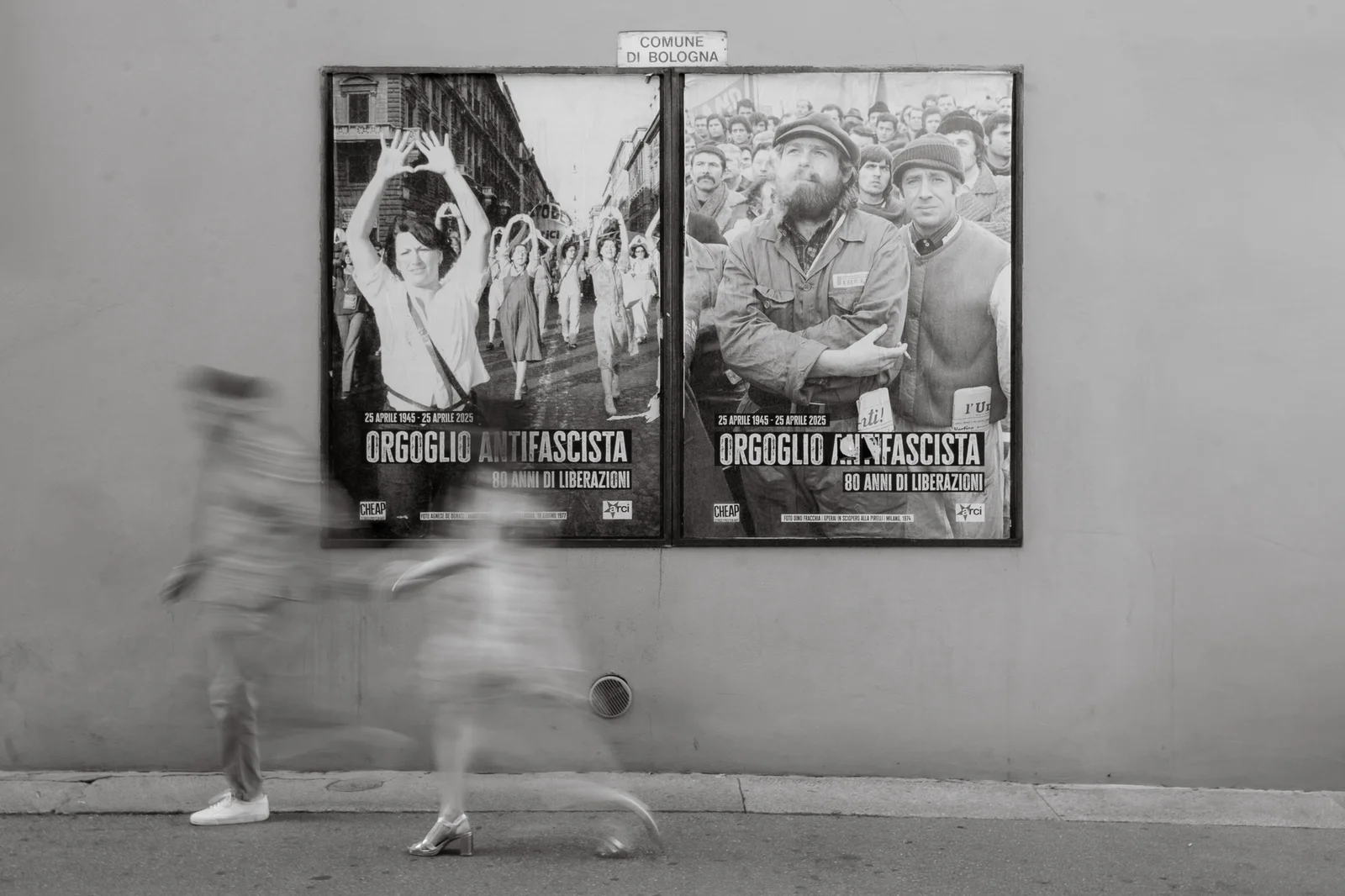
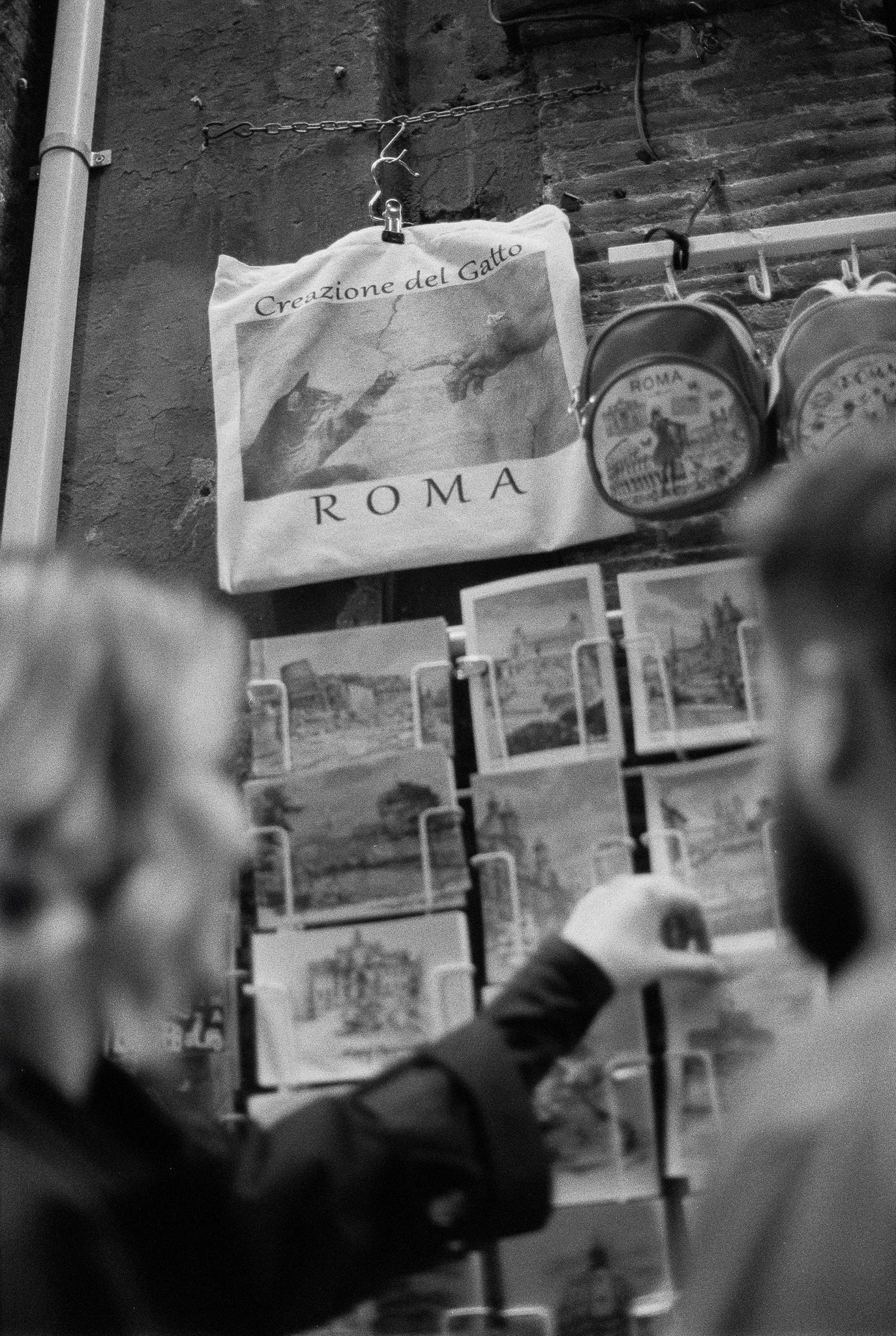
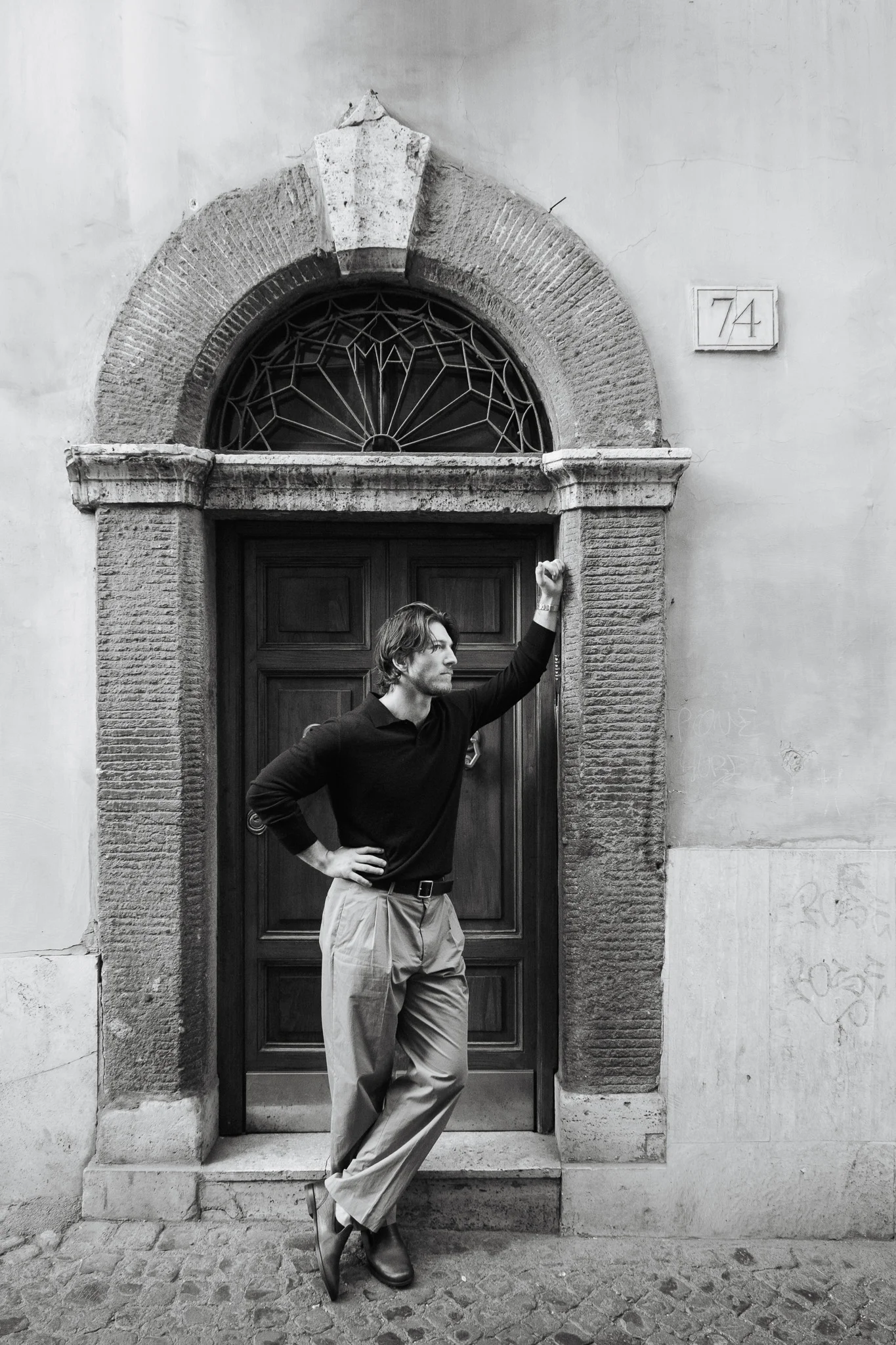
Before becoming a wedding photographer, and still today, I have always been connected to writing, walking and observing. I live in Rome, and much of my visual education comes from being a flâneur: wandering through streets, watching shadows move on walls, observing how people occupy a city without knowing they are being poetic.
Street photography taught me to wait. Travel writing taught me to listen. Slow travel taught me that places reveal themselves only when we stop trying to consume them too quickly.
All of this shapes the way I photograph weddings.
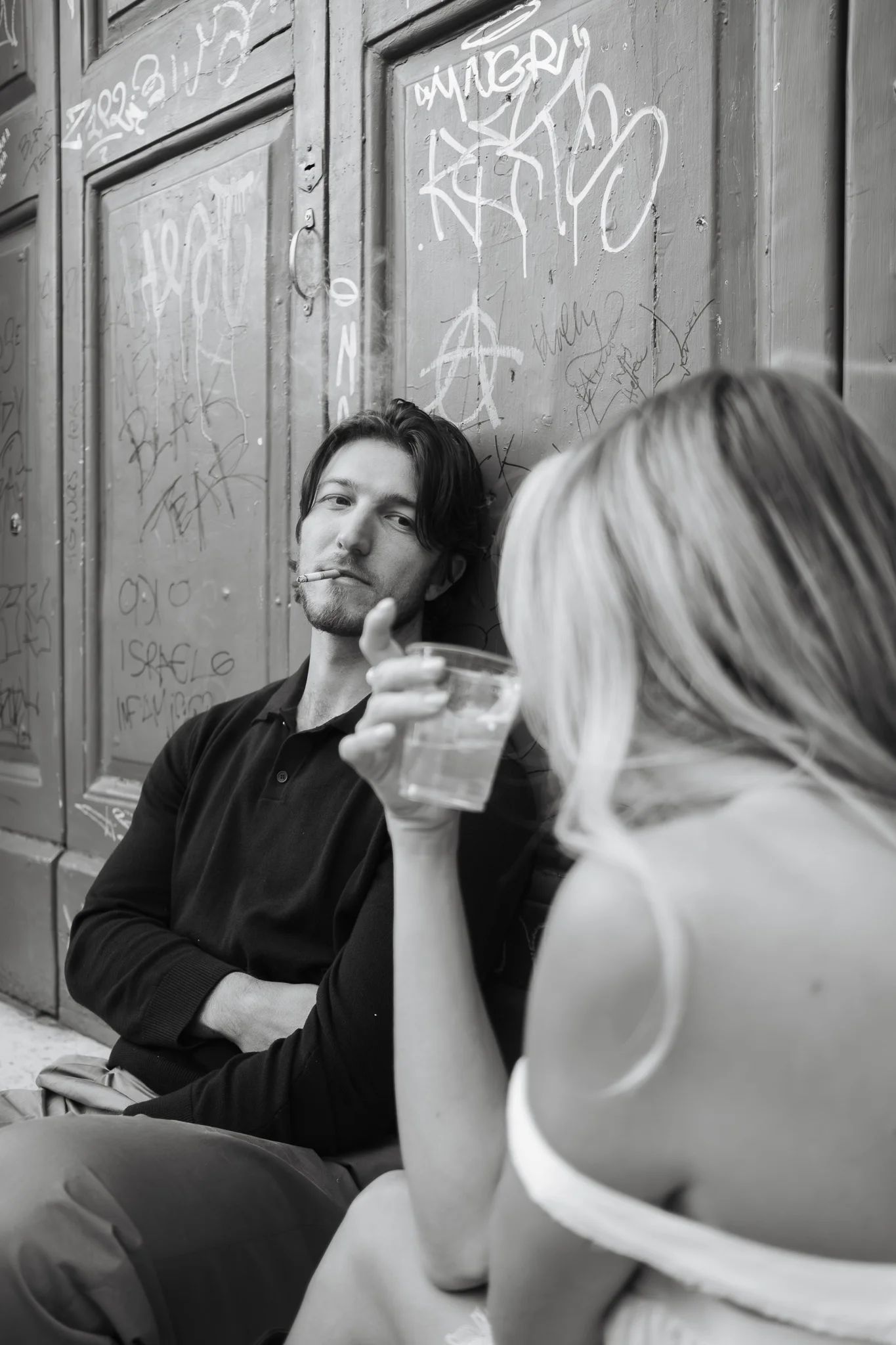
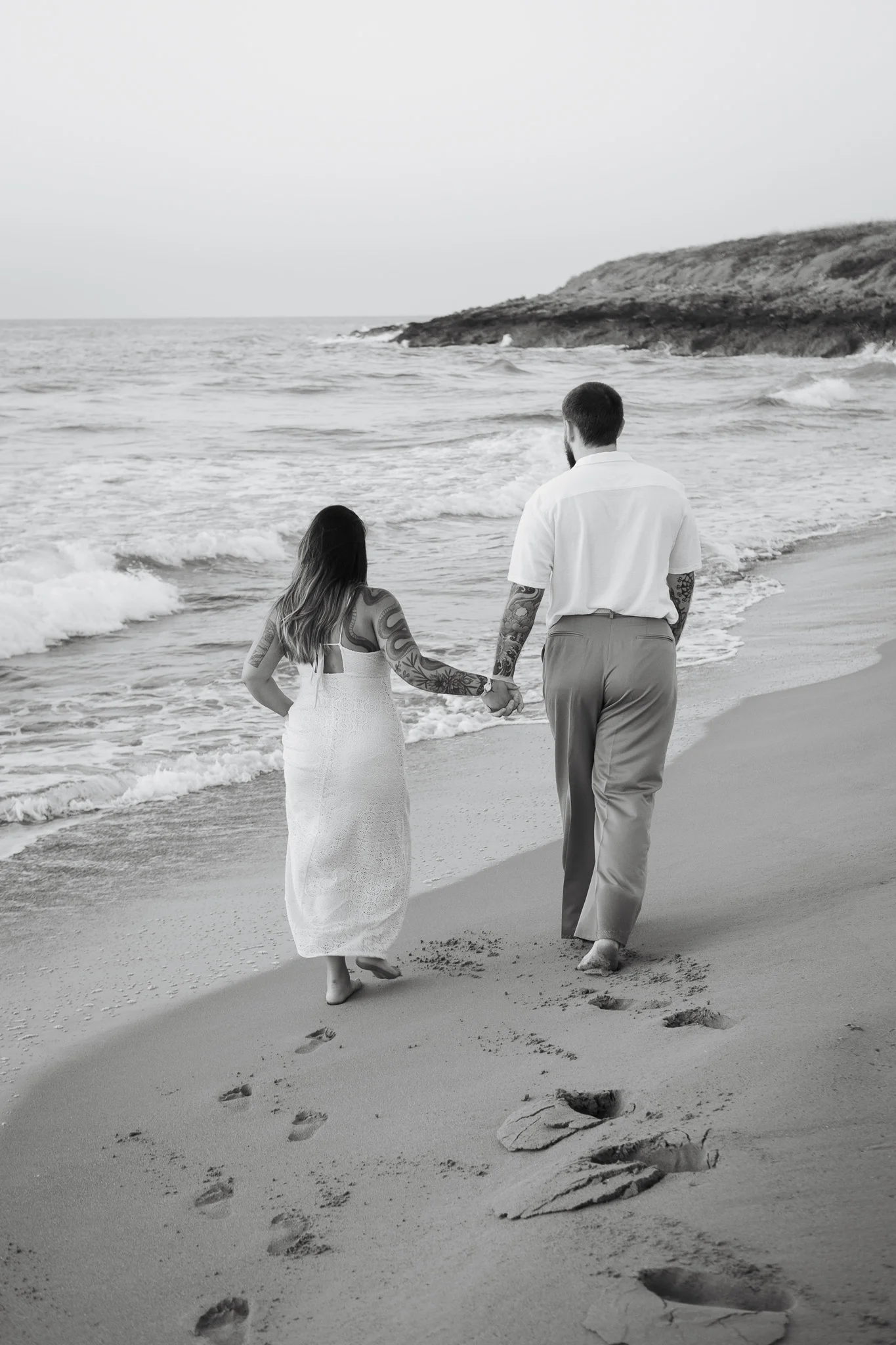
I am interested in gestures, pauses, contradictions, humor, elegance, awkwardness, tenderness. I like the in-between moments because they often say more than the official ones.
The kiss is important.
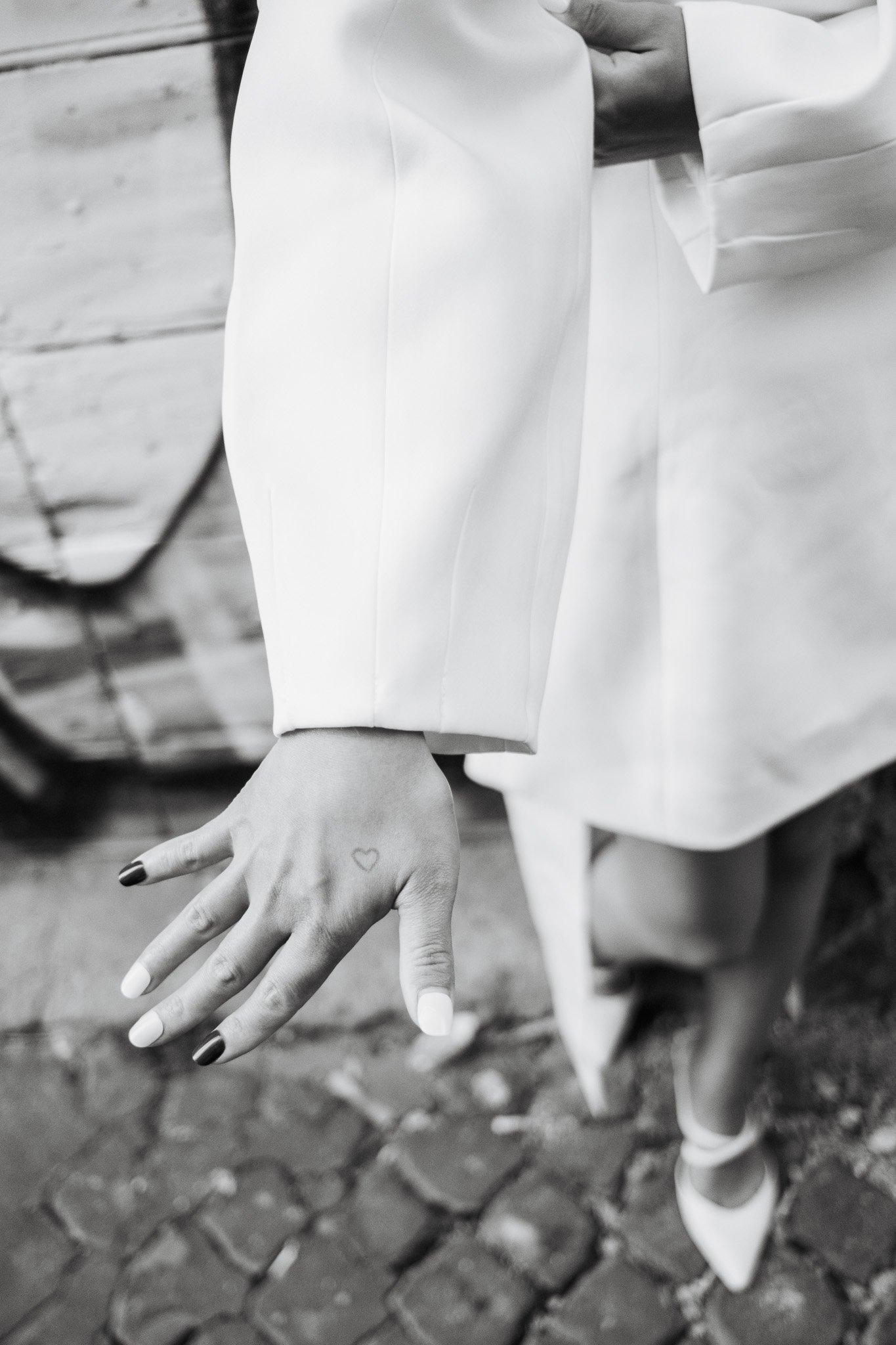
But sometimes the hand before the kiss says more.
Wedding Photography Without Staging Everything
Many couples who contact me say something similar:
“We are not camera shy, but we do not want to spend the whole day posing.”
Or:
“We want beautiful photos, but we still want to feel like ourselves.”
This is exactly where my work begins.
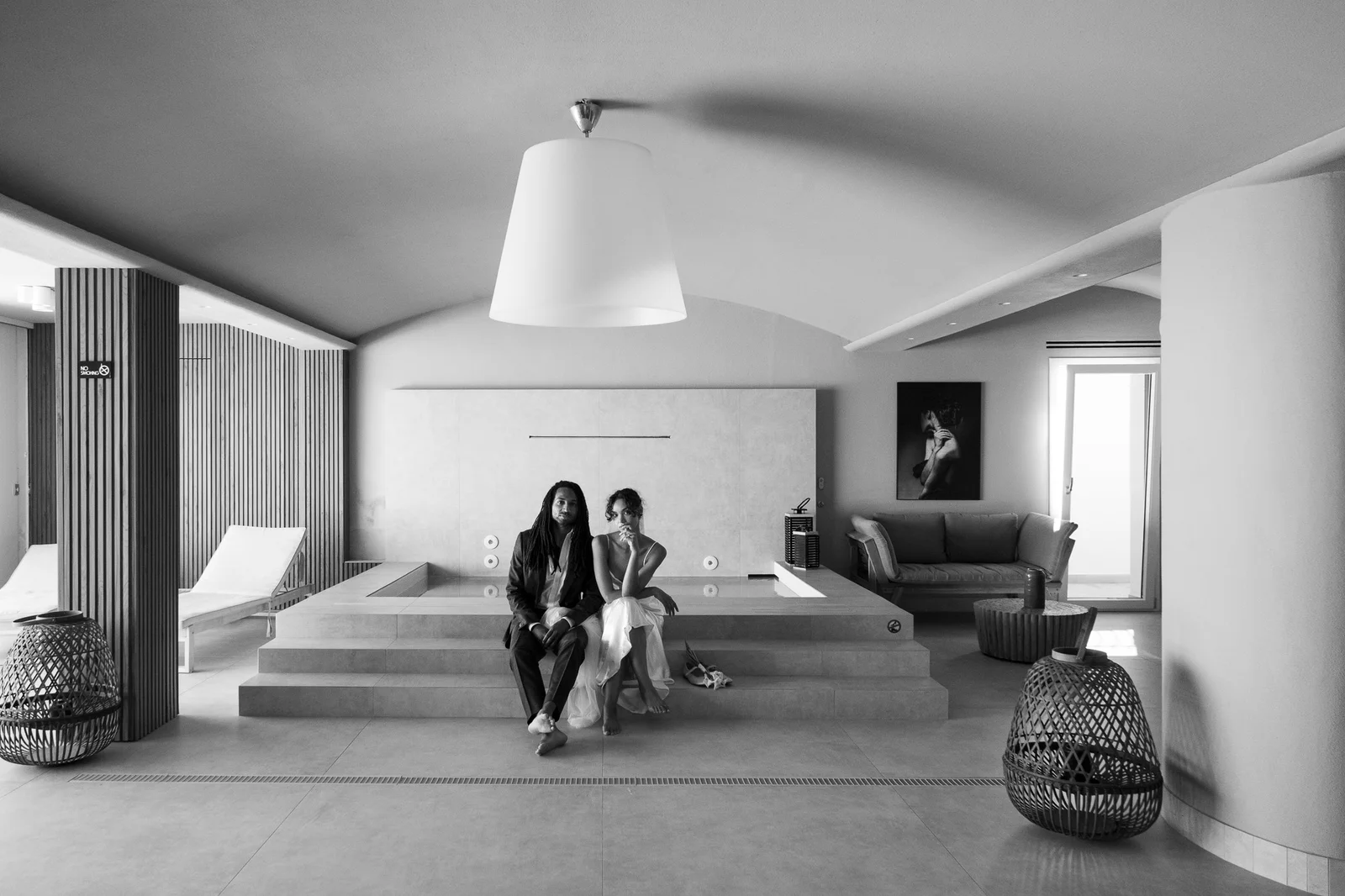
Unstaged wedding photography does not mean abandoning beauty. It means finding beauty without forcing it. It means allowing the day to breathe. It means accepting that not every meaningful photograph has to be polished, symmetrical or perfect.
Federico Fellini once said, “All art is autobiographical.” I feel this deeply in photography. The way a photographer sees is never neutral. Some photographers look for grandeur. Some look for fashion. Some look for perfection.
I look for atmosphere, intimacy and small human truths.
I want your wedding photographs to feel like memories, not advertisements. I want you to look at them years later and remember not only what happened, but what the air felt like.
The heat of a Roman afternoon.
The sound of plates during dinner.
The nervous silence before walking into the ceremony.
The chaos of friends after too much wine.
The softness of an evening in Tuscany.
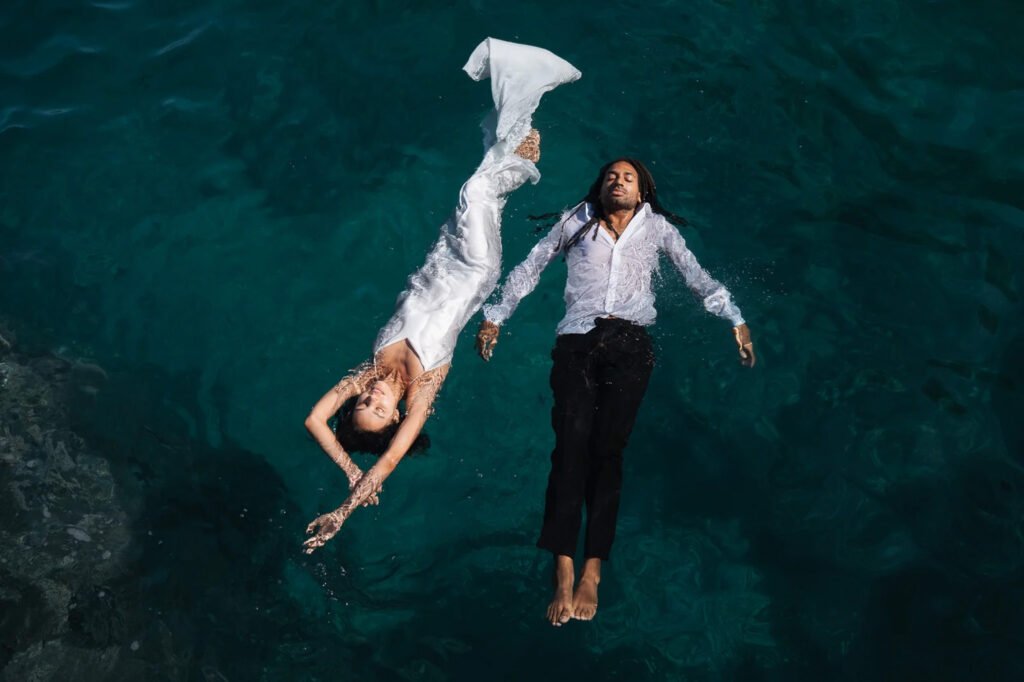
The blue of the sea in Sicily.
The brief moment when everything slowed down.
This is the kind of wedding photography I believe in.
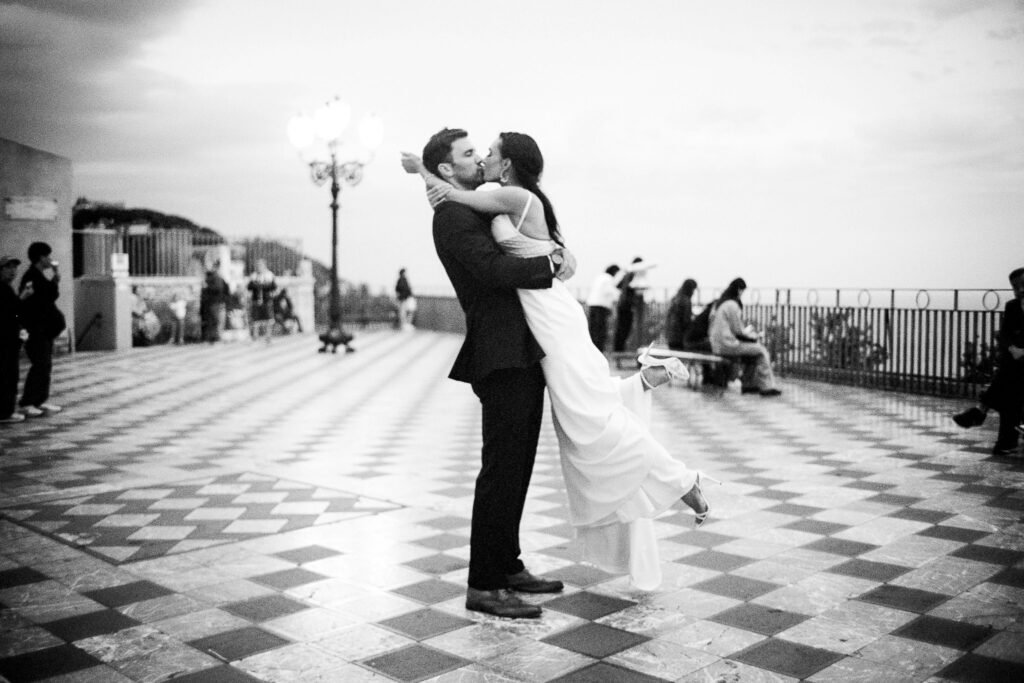
Documentary Wedding Photography and 35mm Film
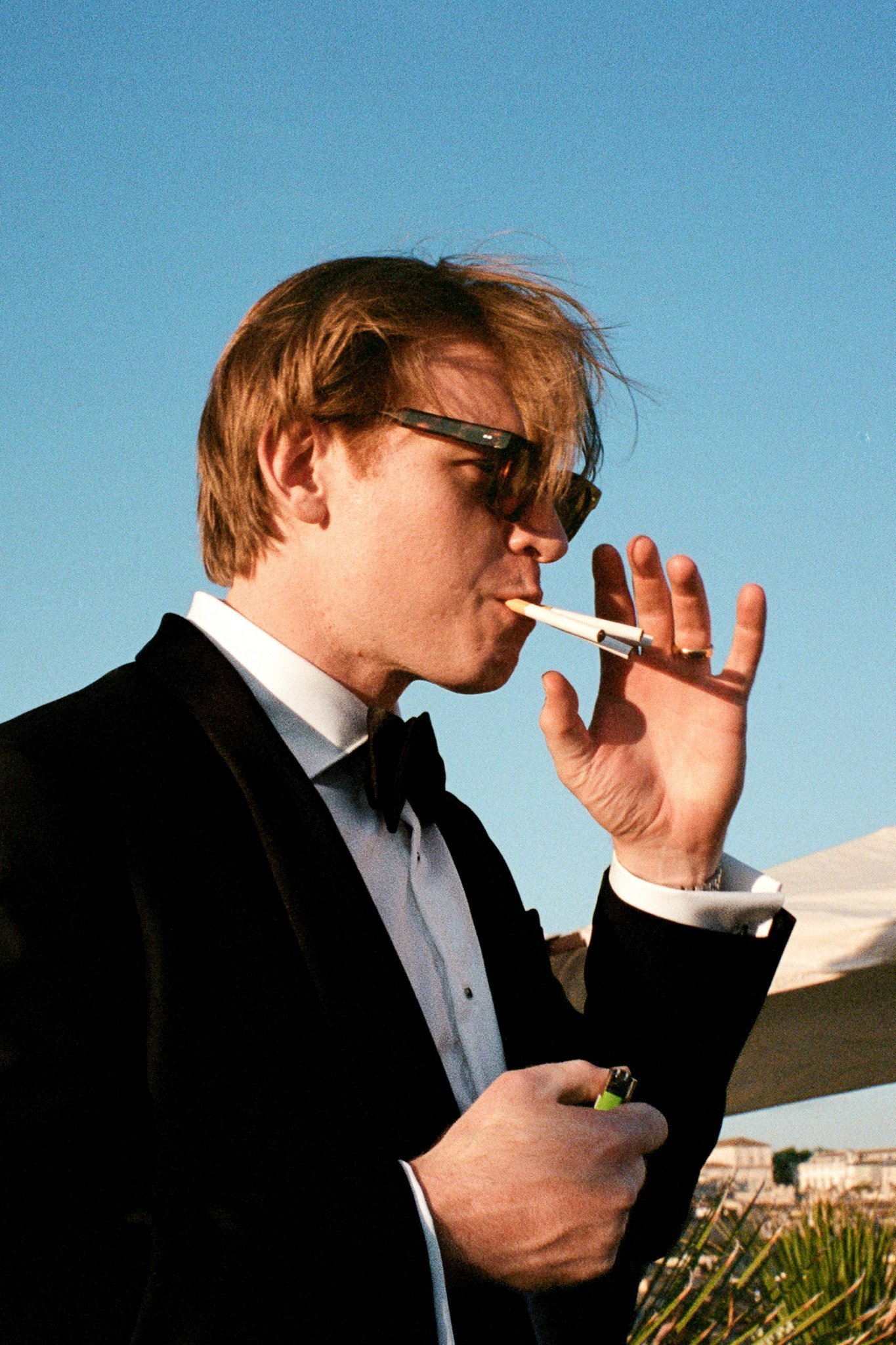
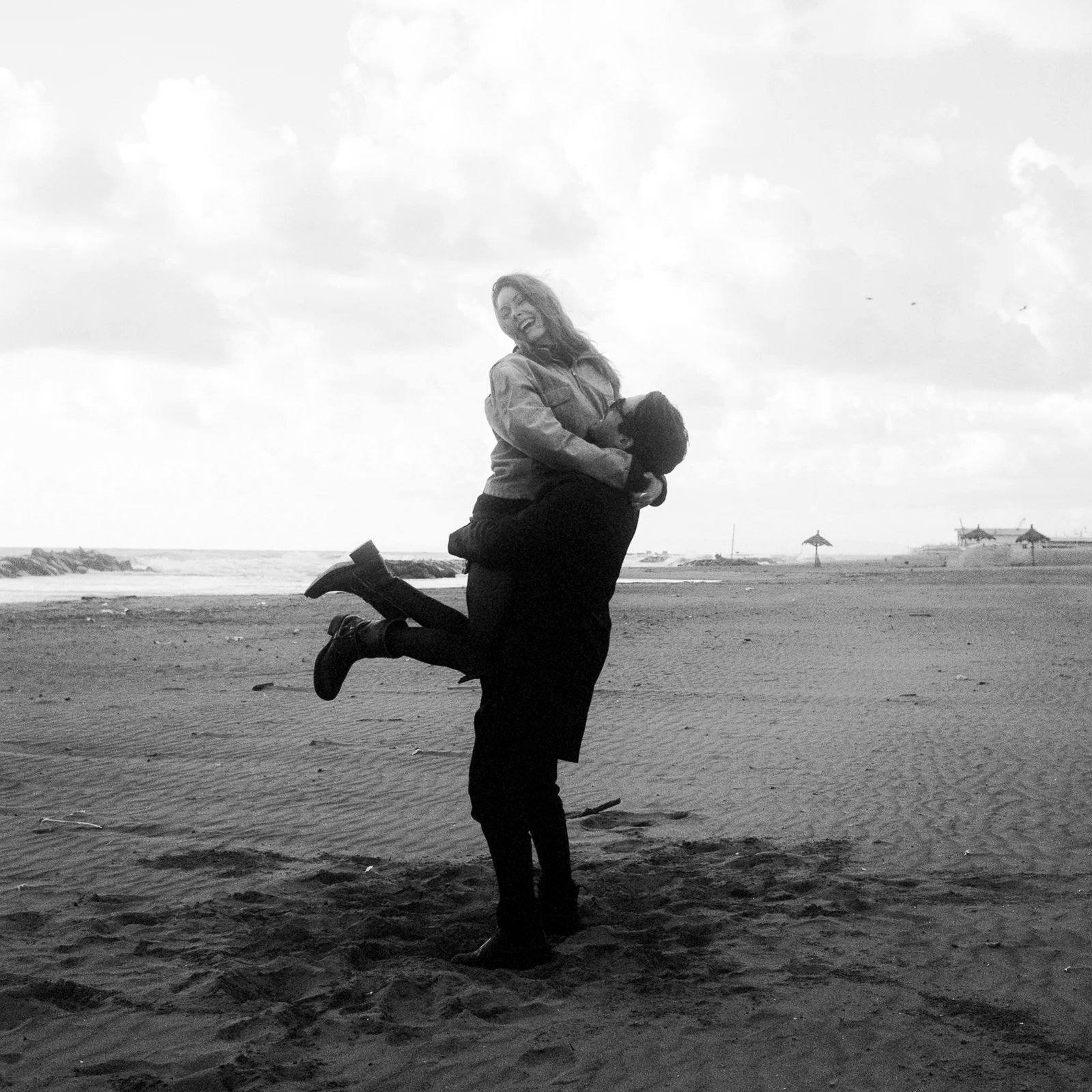
I photograph weddings both digitally and on 35mm film.
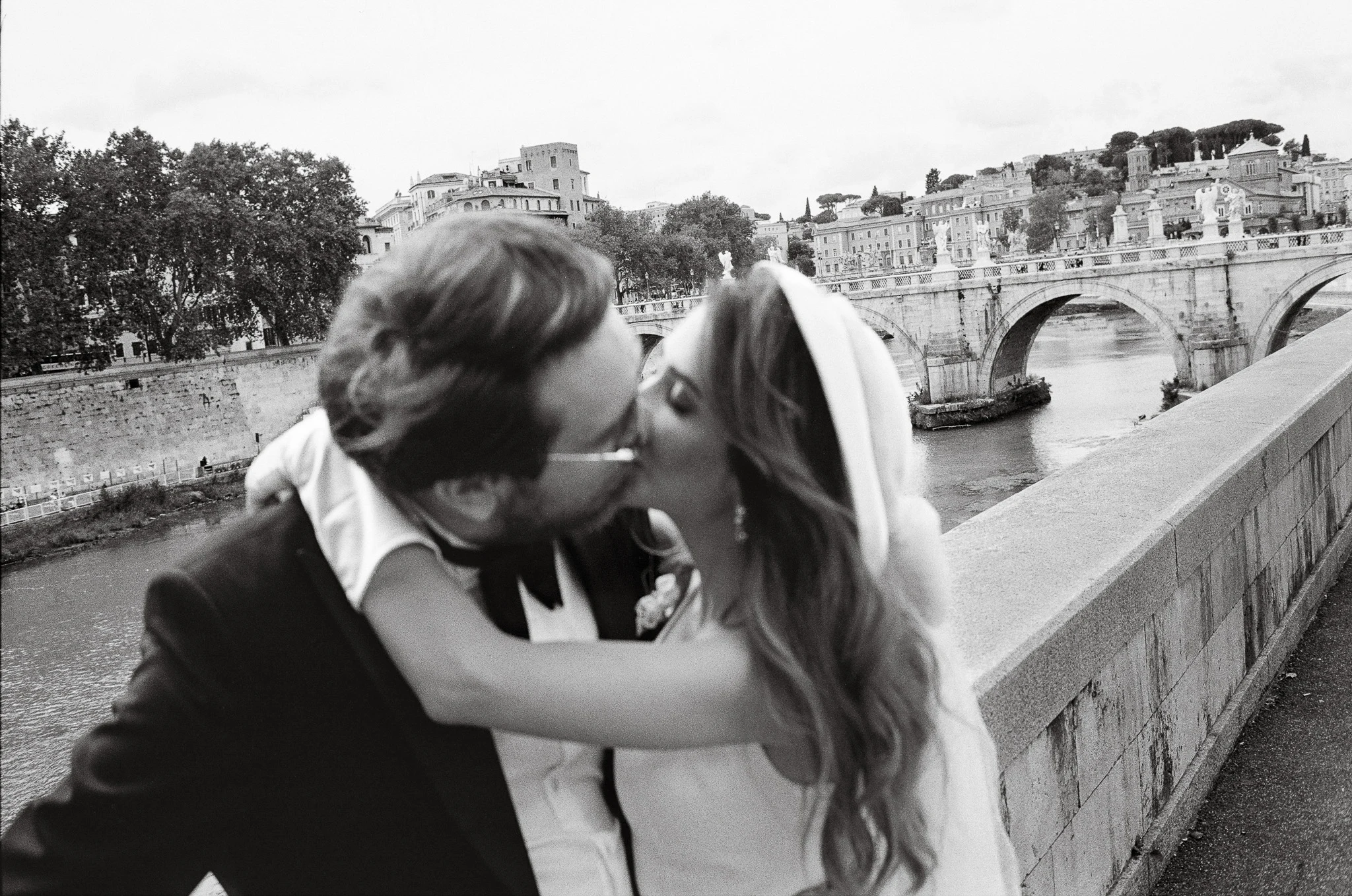
For me, film is not a nostalgic accessory. It is a different way of seeing. Film asks for patience. It asks for trust. It does not give immediate answers. It carries grain, softness, surprise and imperfection.
In a world where everything is instantly visible, film preserves a little mystery.
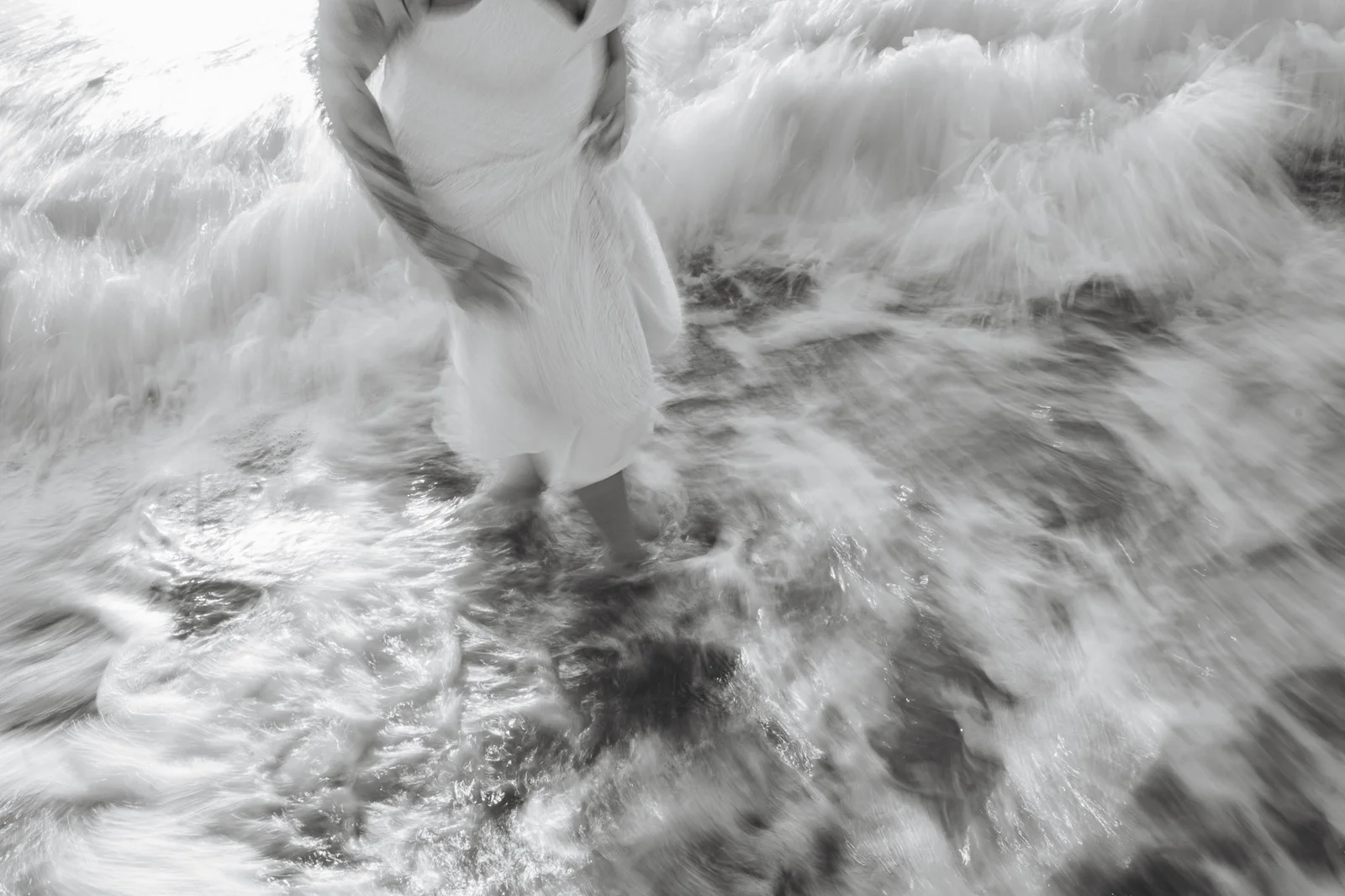
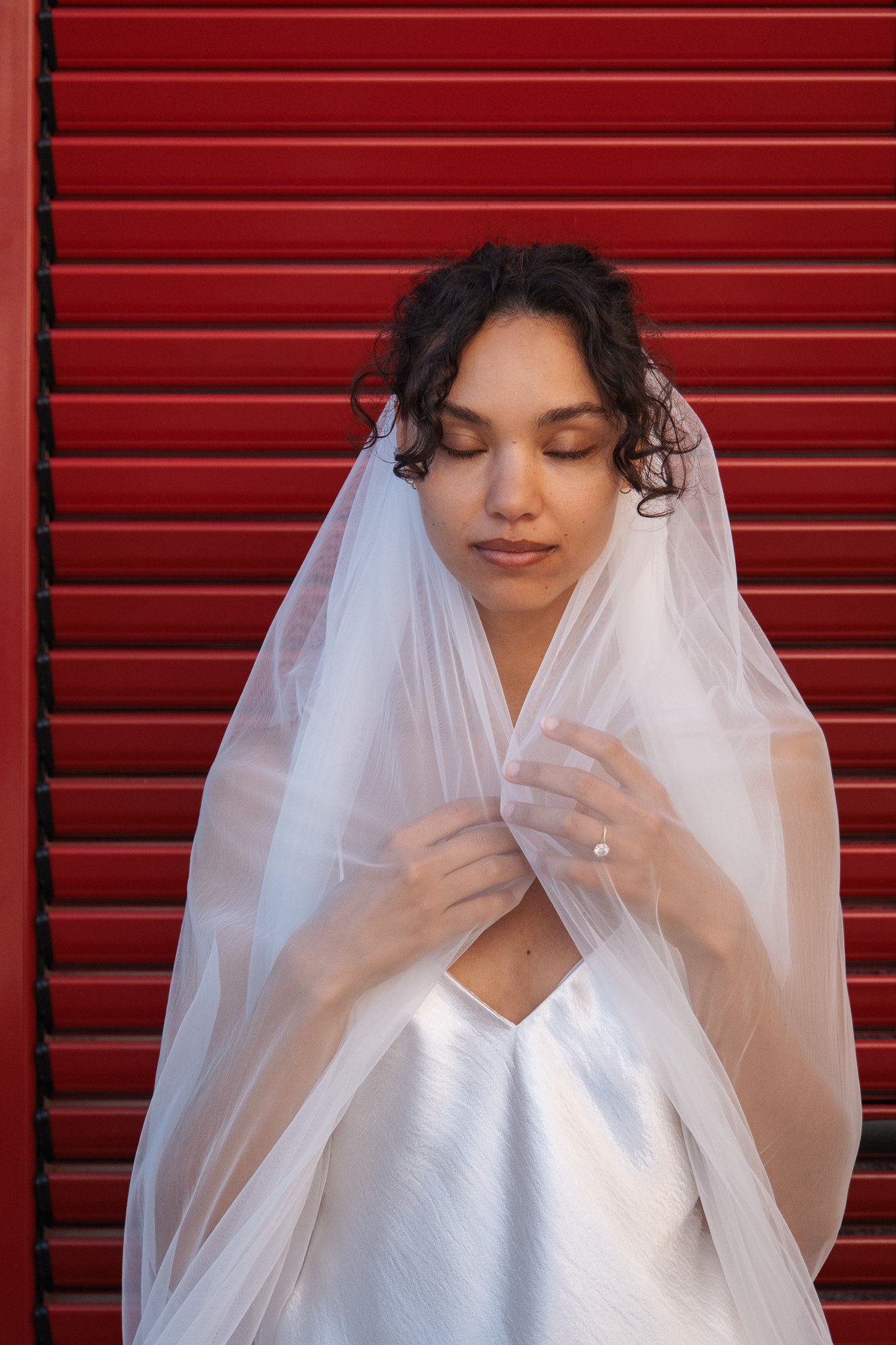
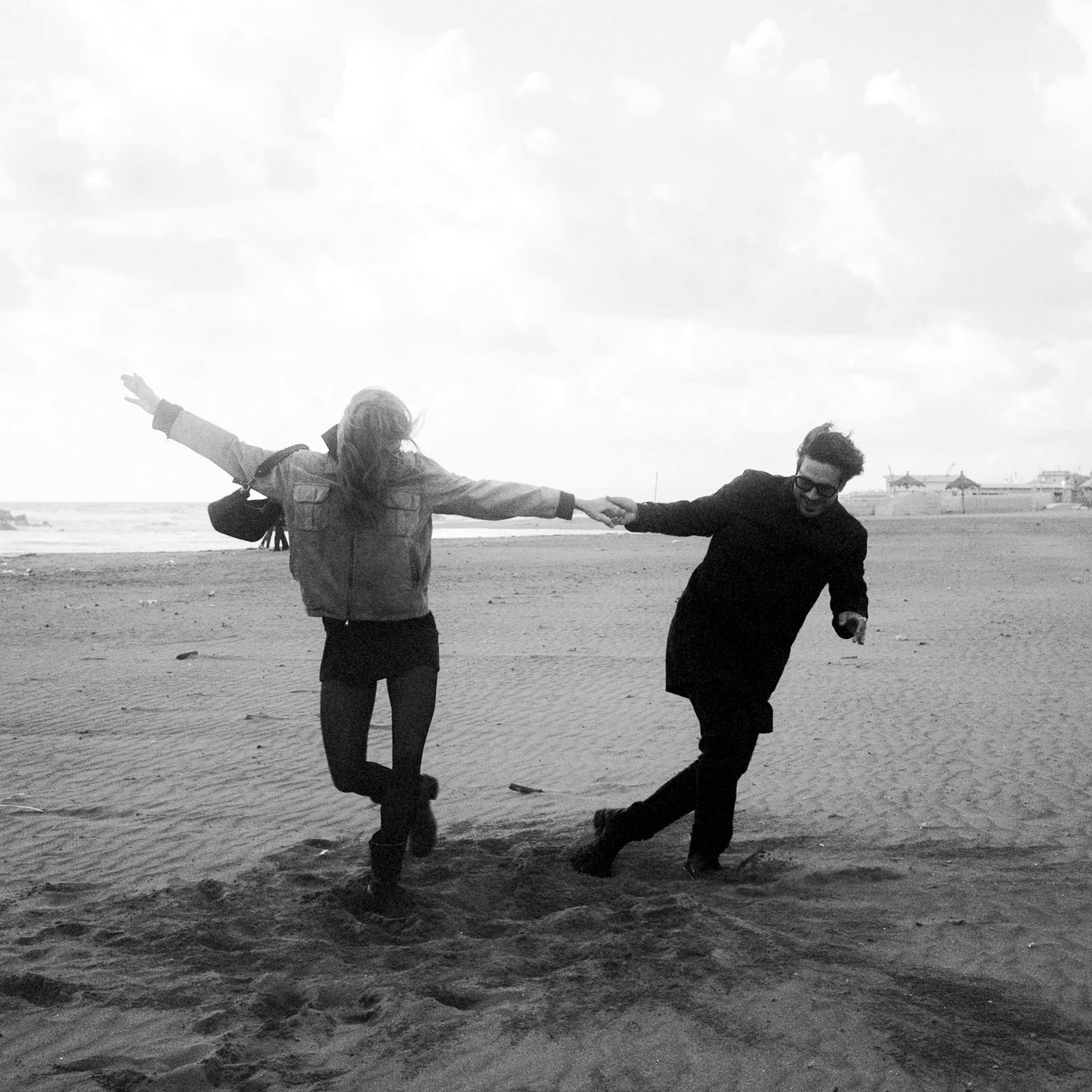
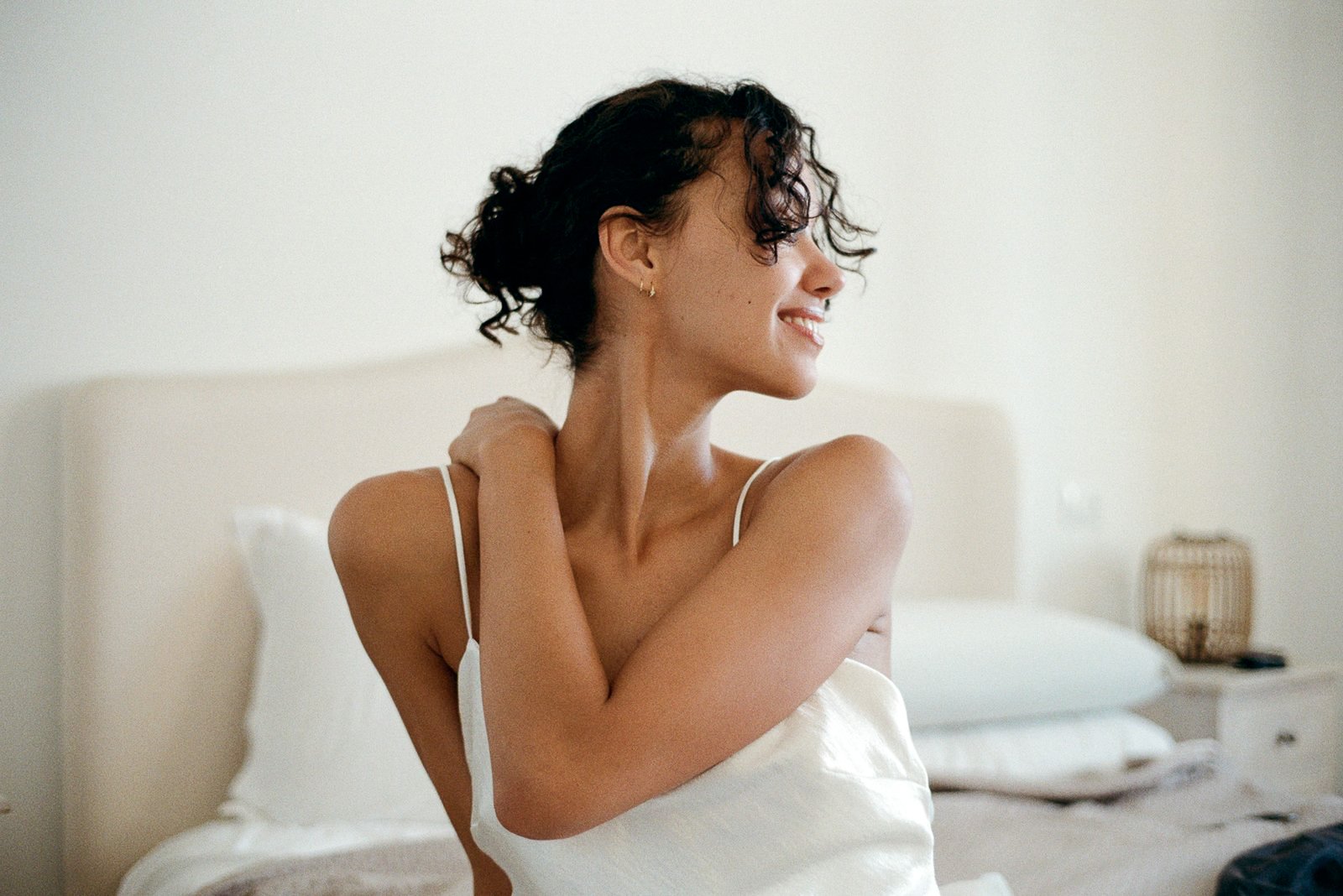
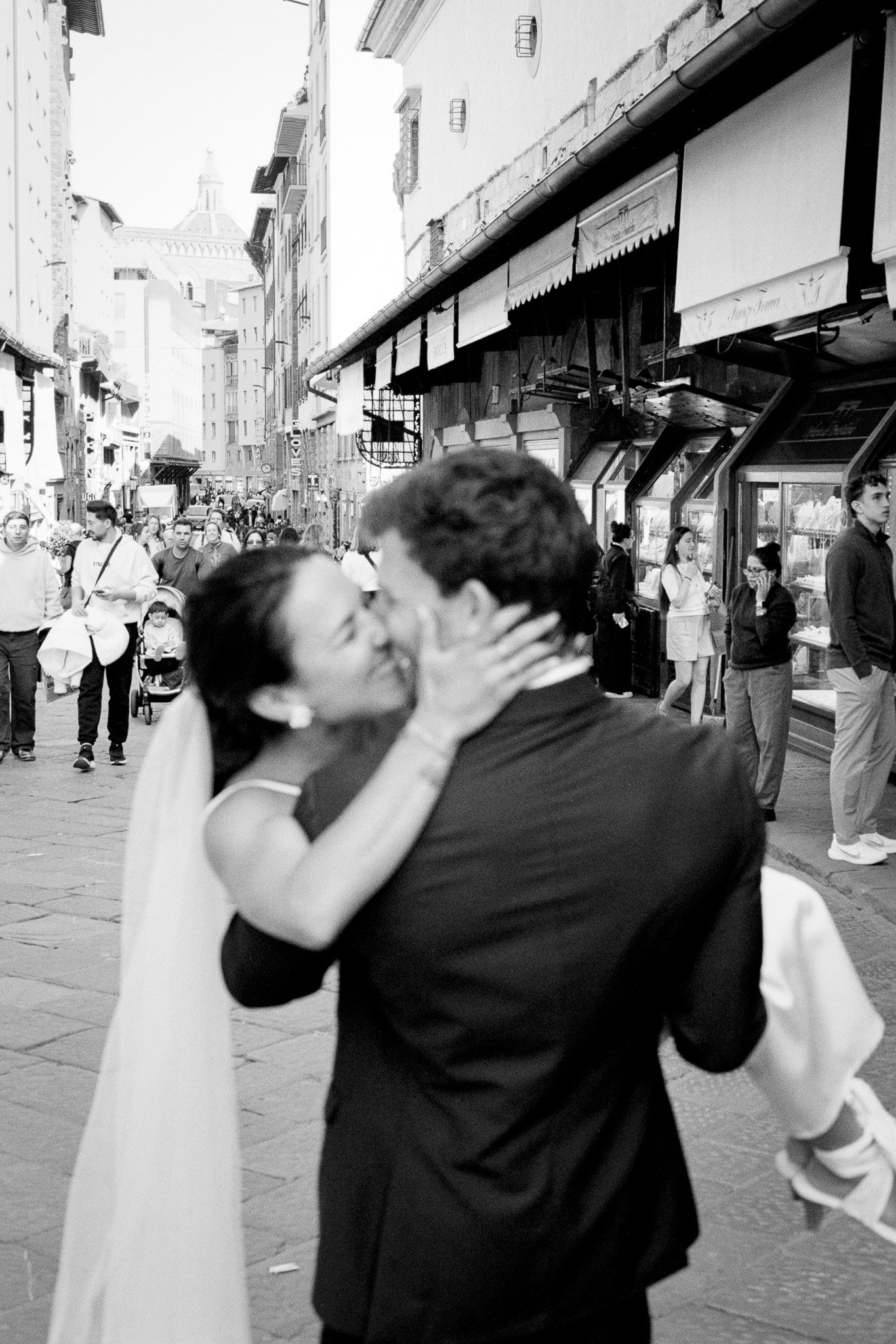
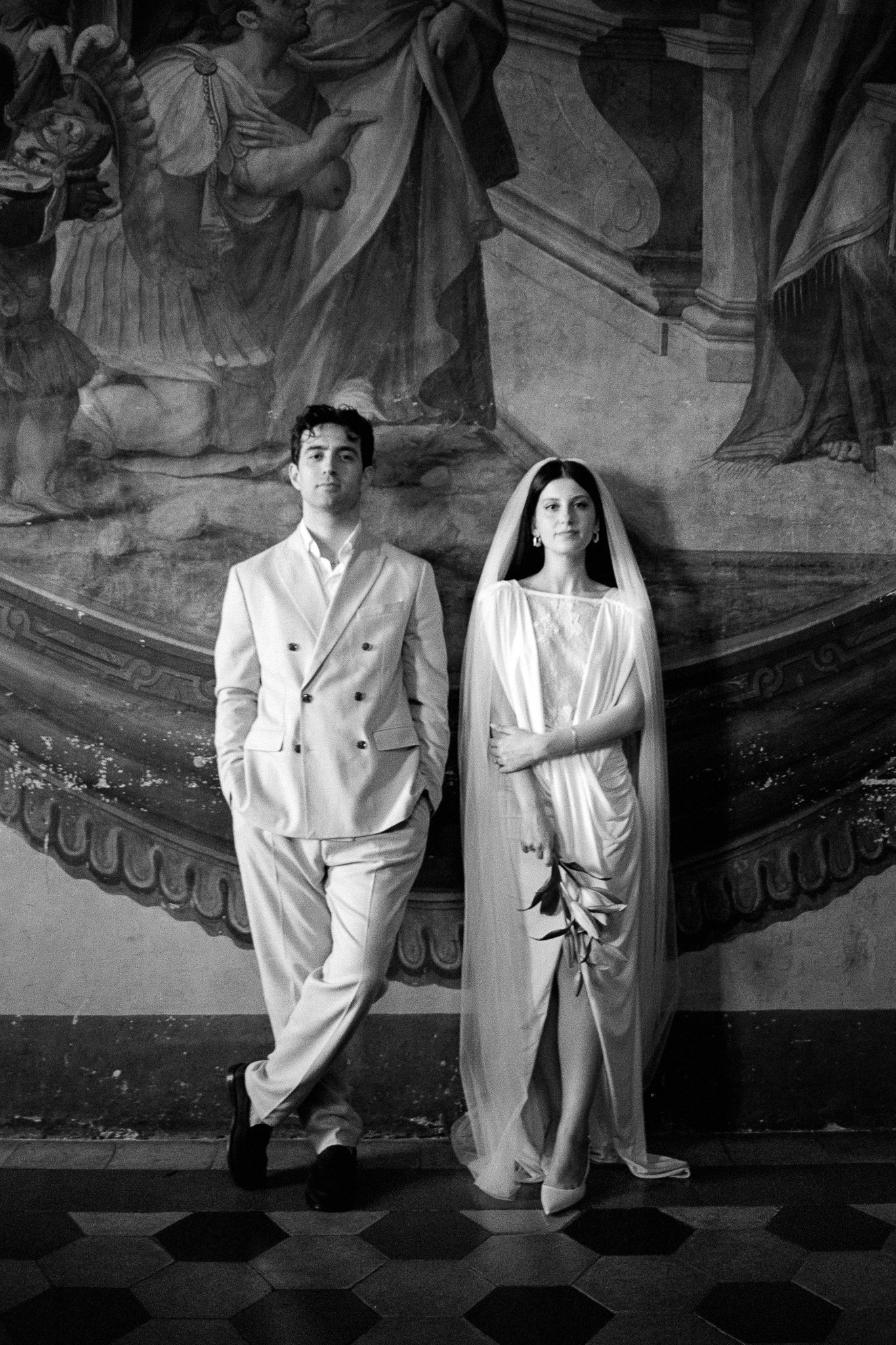
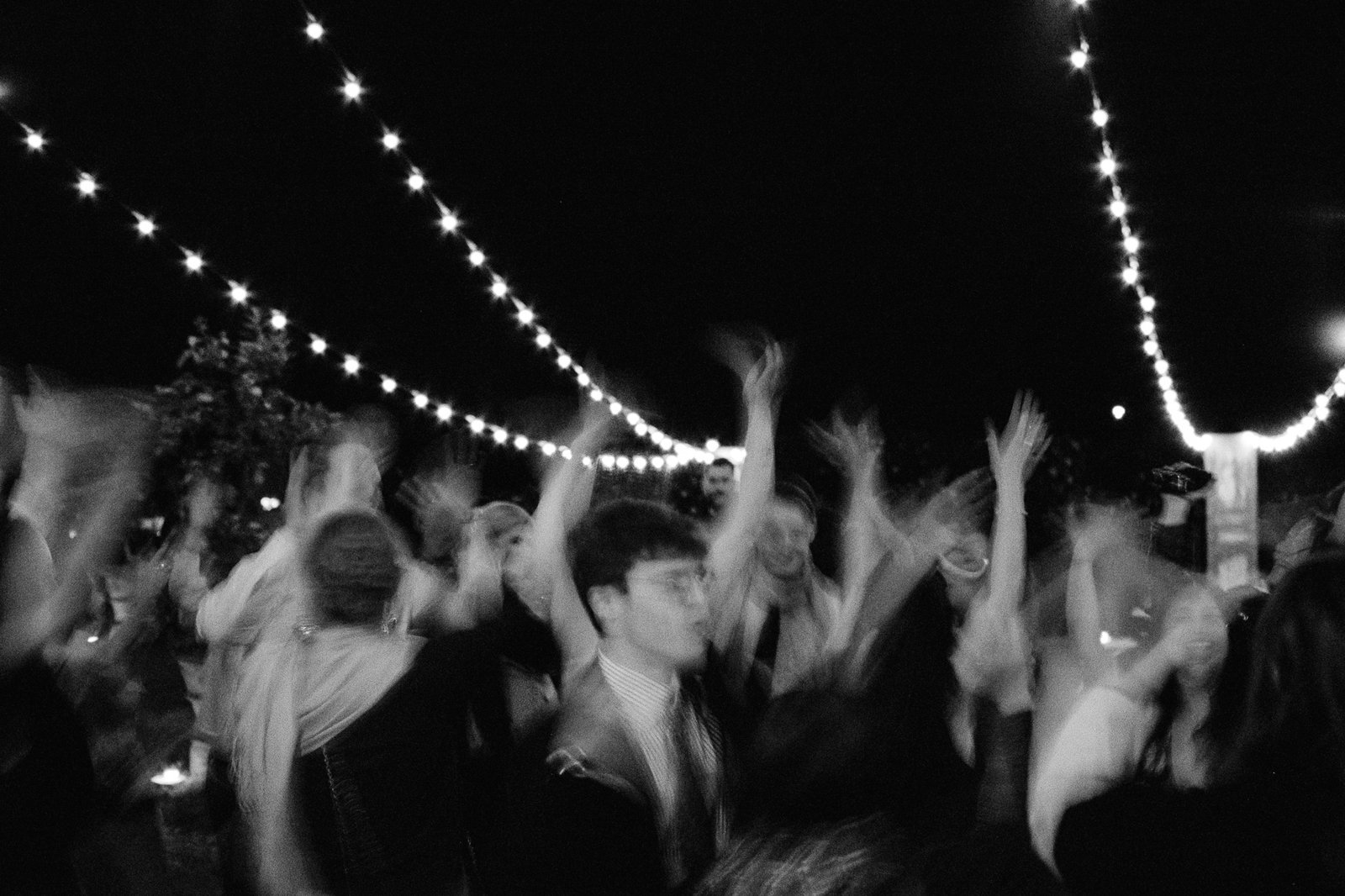
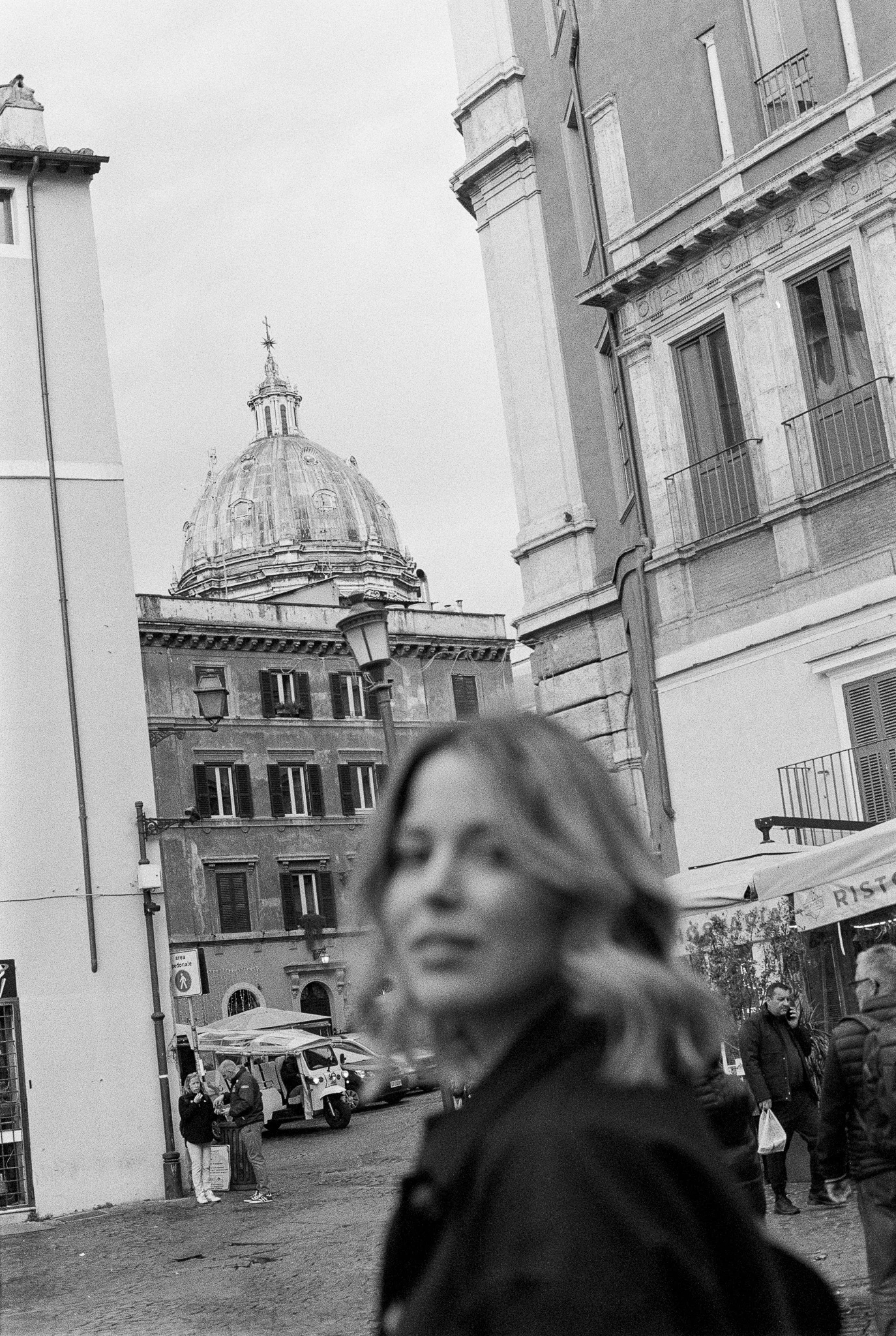
That mystery works beautifully with documentary wedding photography. A slightly blurred dance floor image, a flash-lit table, a quiet portrait in natural light, a grainy frame of guests walking through an old Italian street. These images can feel closer to memory than to documentation.
Memory itself is not sharp everywhere.
Some parts are vivid. Some are soft. Some are only atmosphere.
That is why I love combining digital and 35mm film wedding photography in Italy. Digital allows me to work with precision and safety throughout the day. Film adds another emotional layer, something slower and more tactile.
Together, they tell the story in two different languages.
Candid Wedding Photography Is Also About Trust
To photograph people candidly, you need trust.
Not the kind of trust that comes from saying “just ignore me” while holding a camera too close to someone’s face. Real trust comes from presence, sensitivity and respect.
I do not want to invade moments. I want to be invited into them quietly.
This is especially important during weddings and elopements. These days are full of vulnerability. People cry, laugh, worry, drink, dance, forget things, remember things, become emotional in ways they did not expect. A photographer has to know when to step closer and when to step back.
Mary Oliver wrote: “Pay attention. Be astonished. Tell about it.”
For me, this is almost a manifesto for candid wedding photography.
Pay attention to what is actually happening.
Be astonished by ordinary tenderness.
Tell the story without making it false.
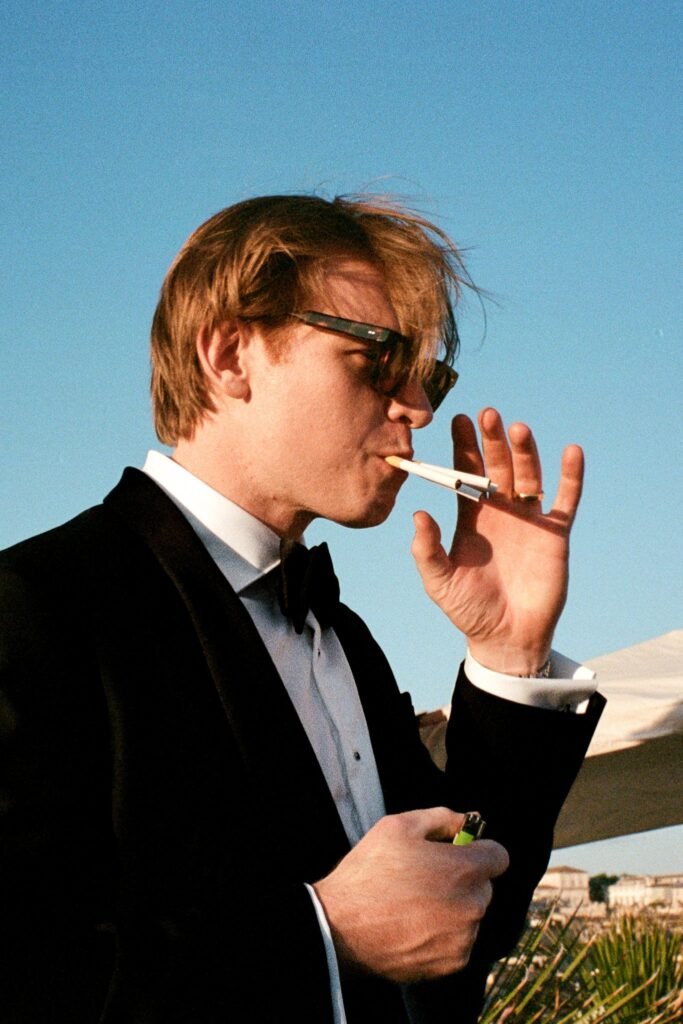
Best Places in Italy for Documentary Wedding Photography
One of the reasons I love working as a documentary wedding photographer in Italy is that every region has a different rhythm. Italy is not a single visual language. It is many languages spoken at once: marble and dust, sea and stone, vineyards and volcanoes, baroque churches and small bars where life continues without caring too much about the camera.
Rome
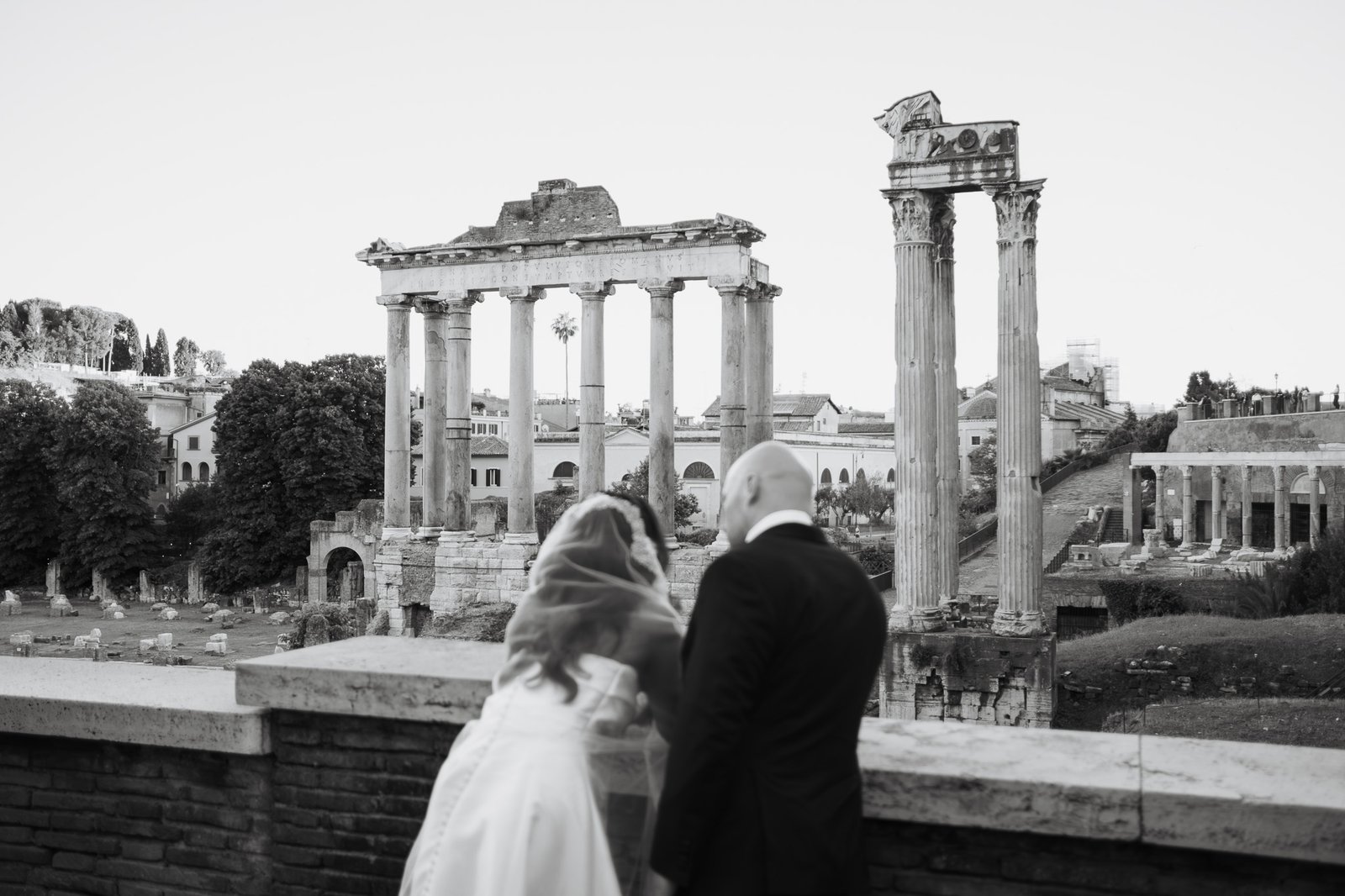
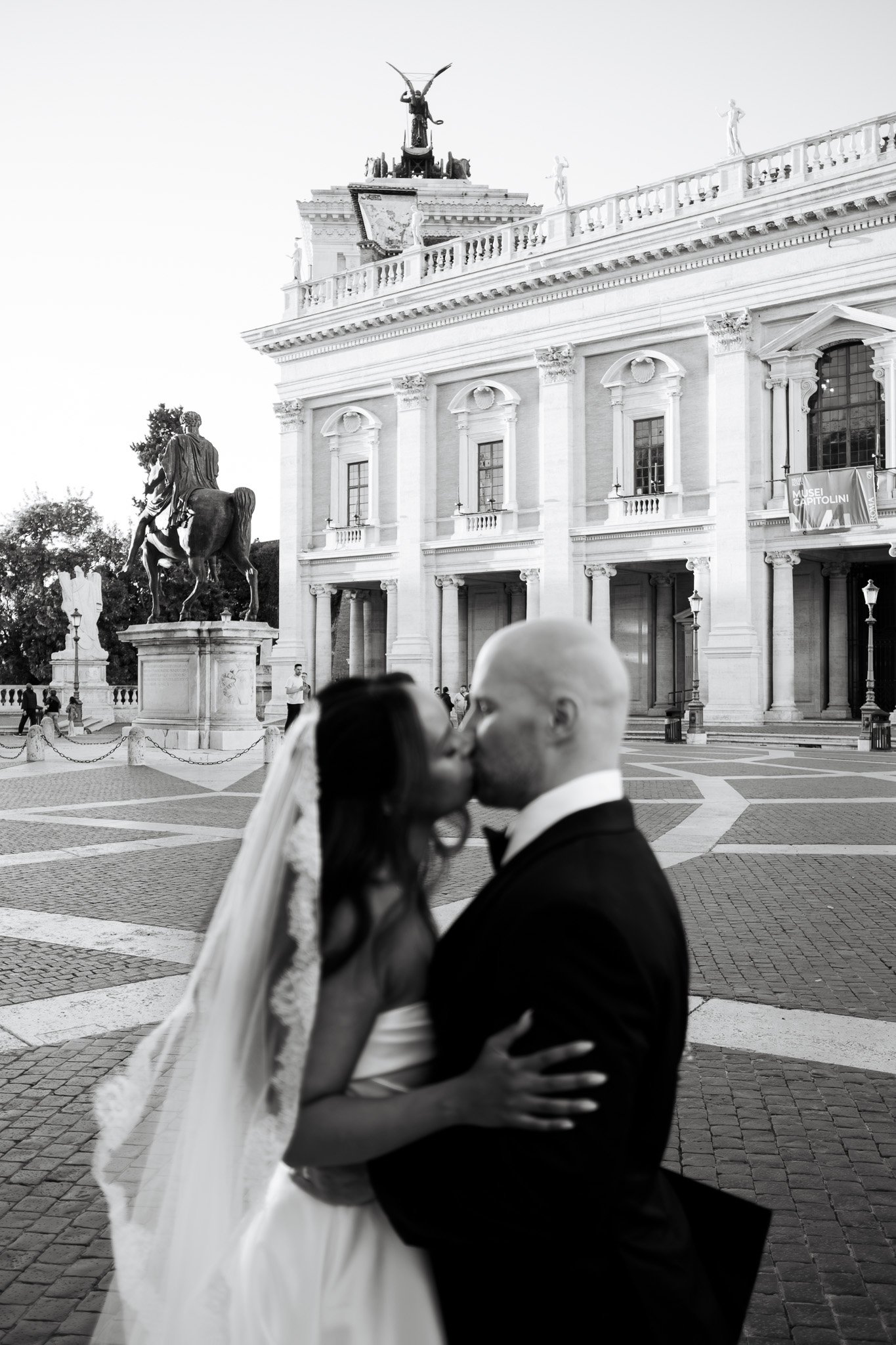
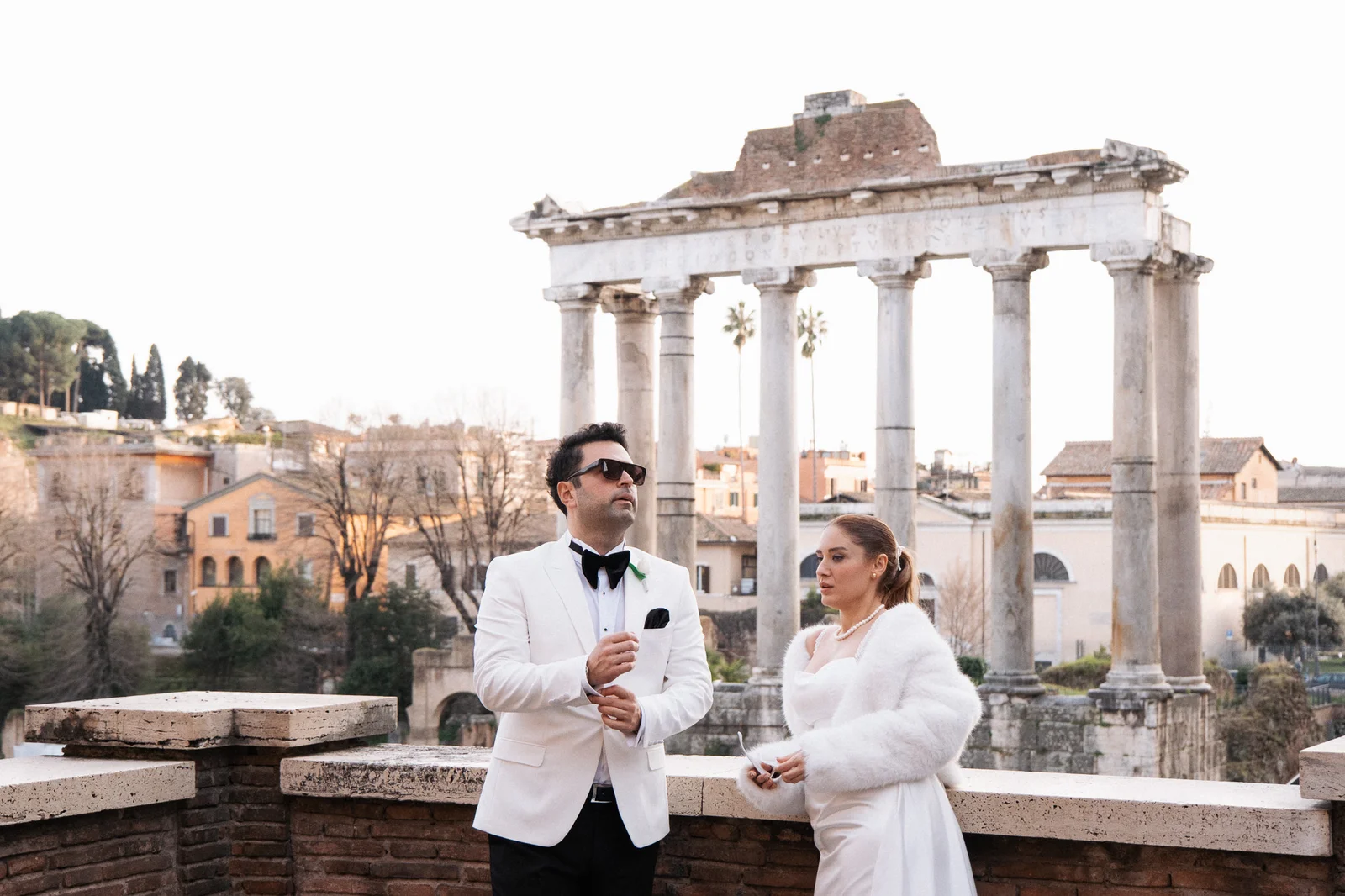
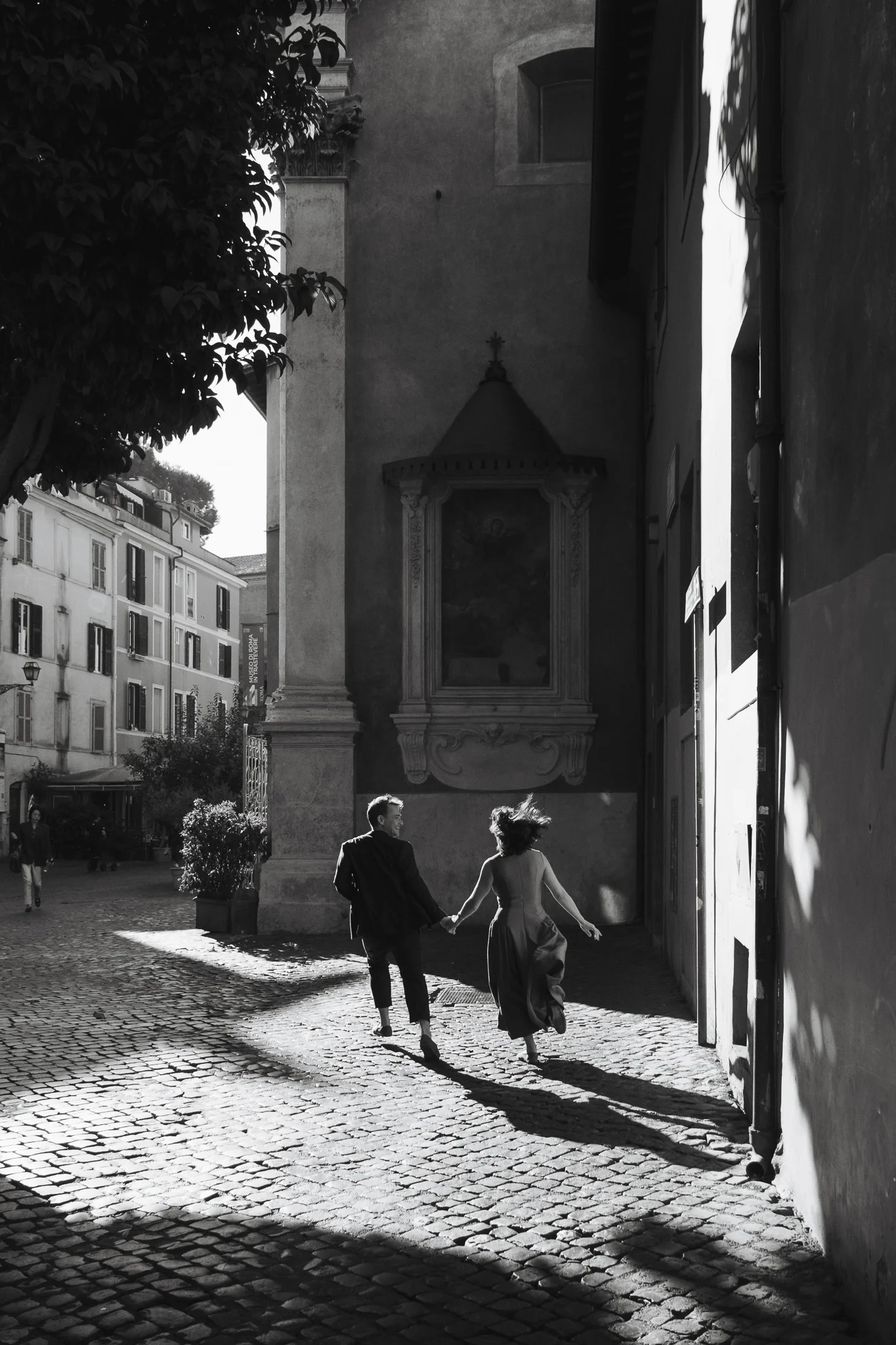
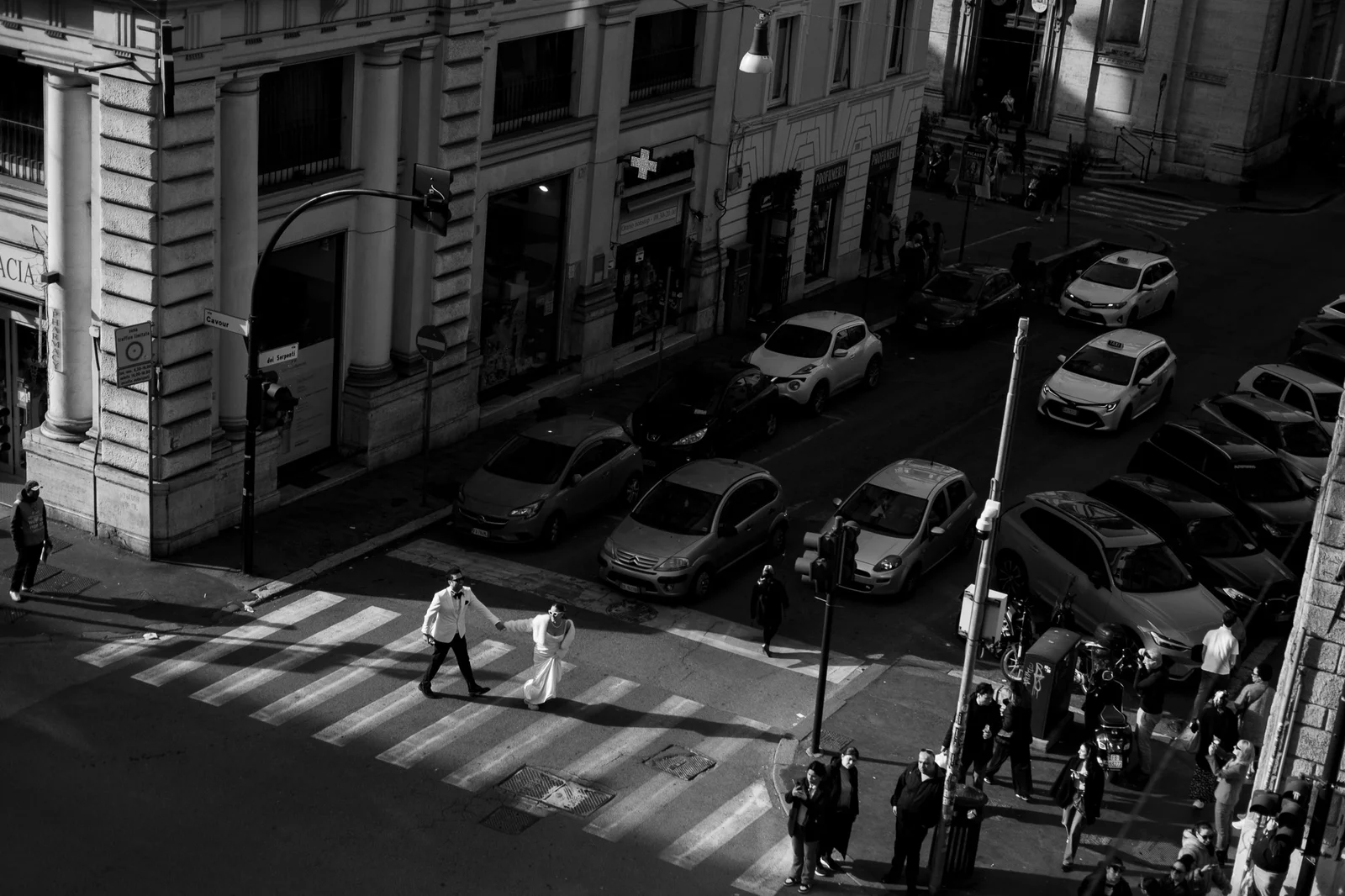
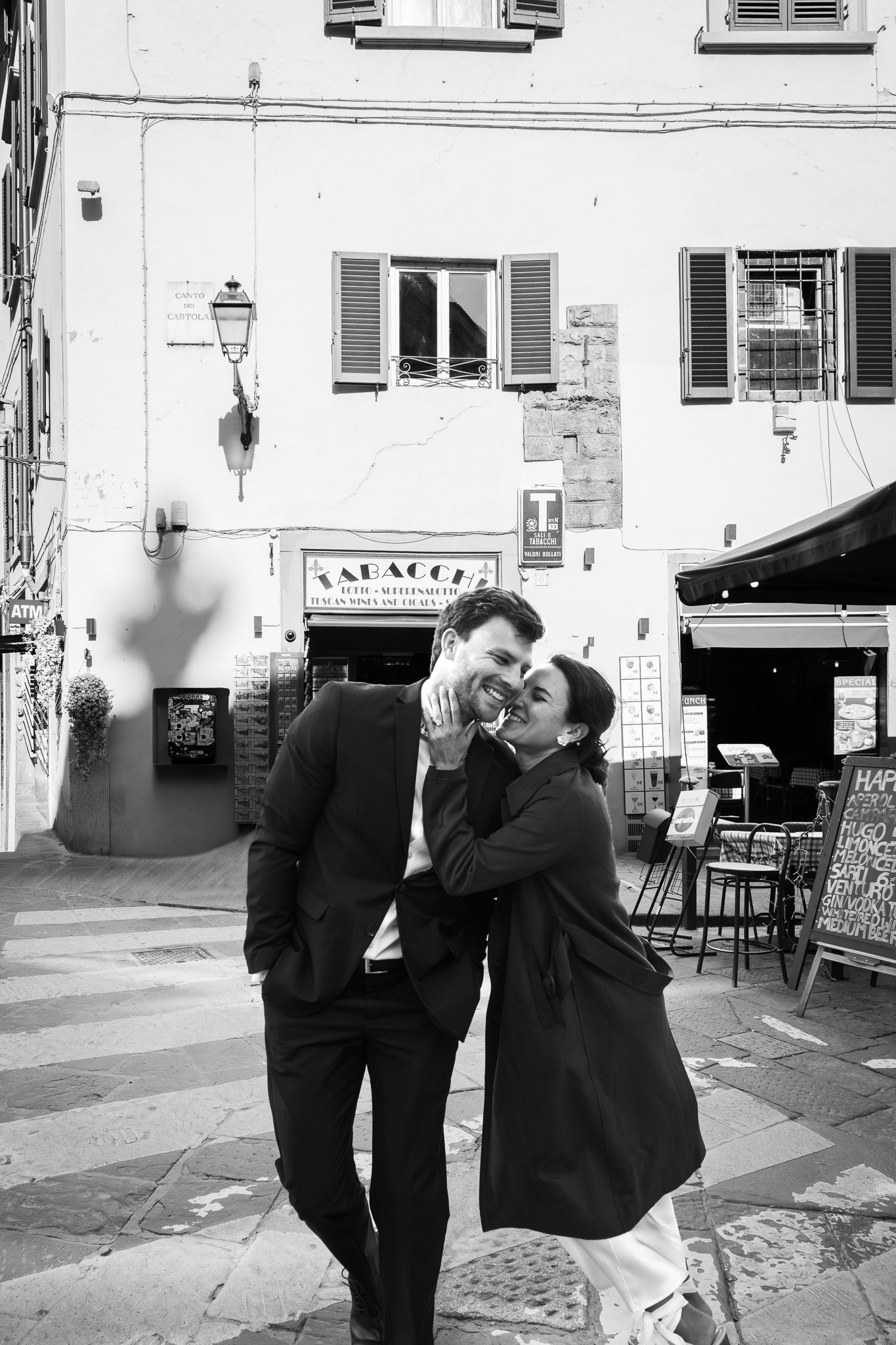
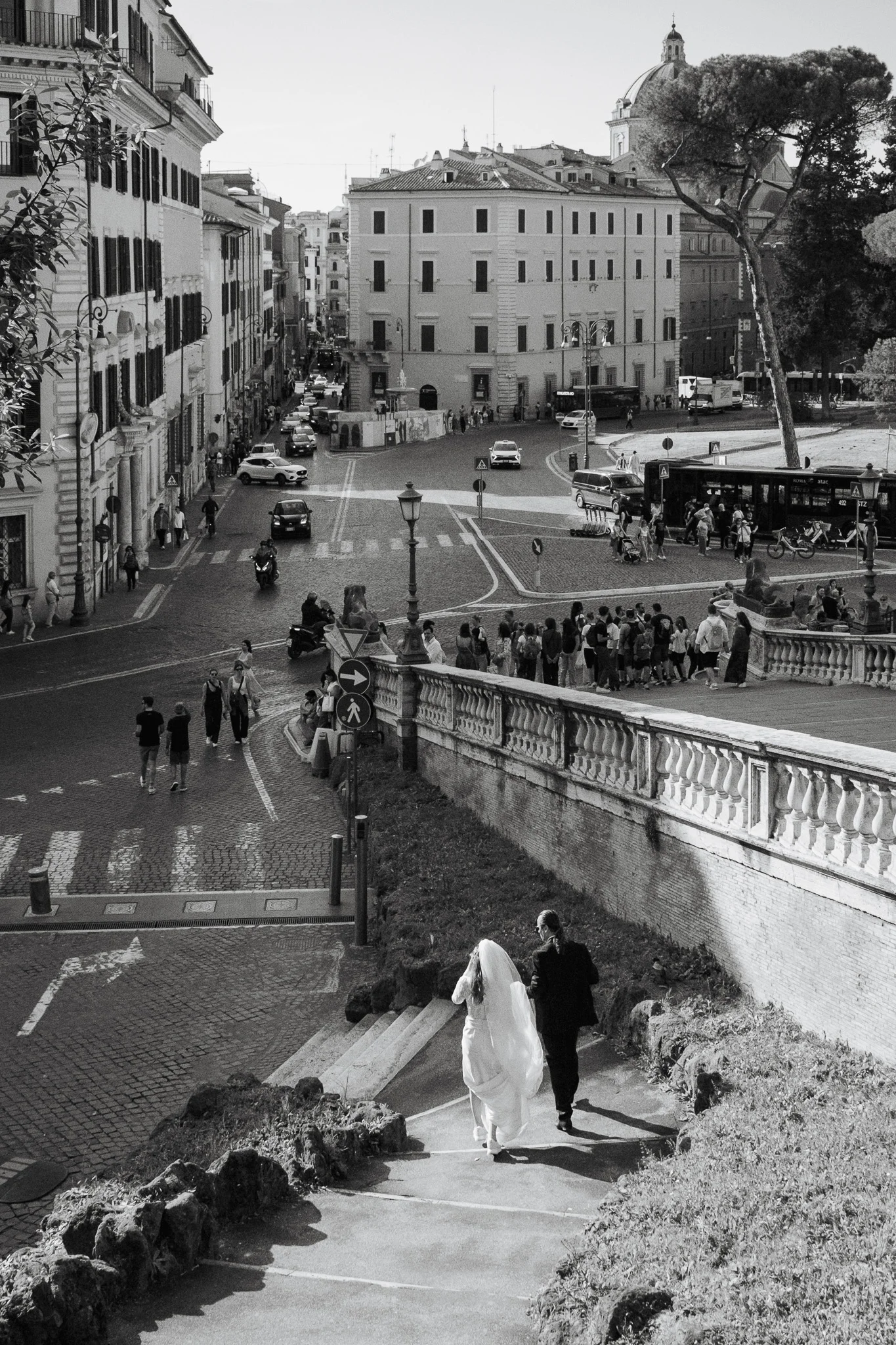
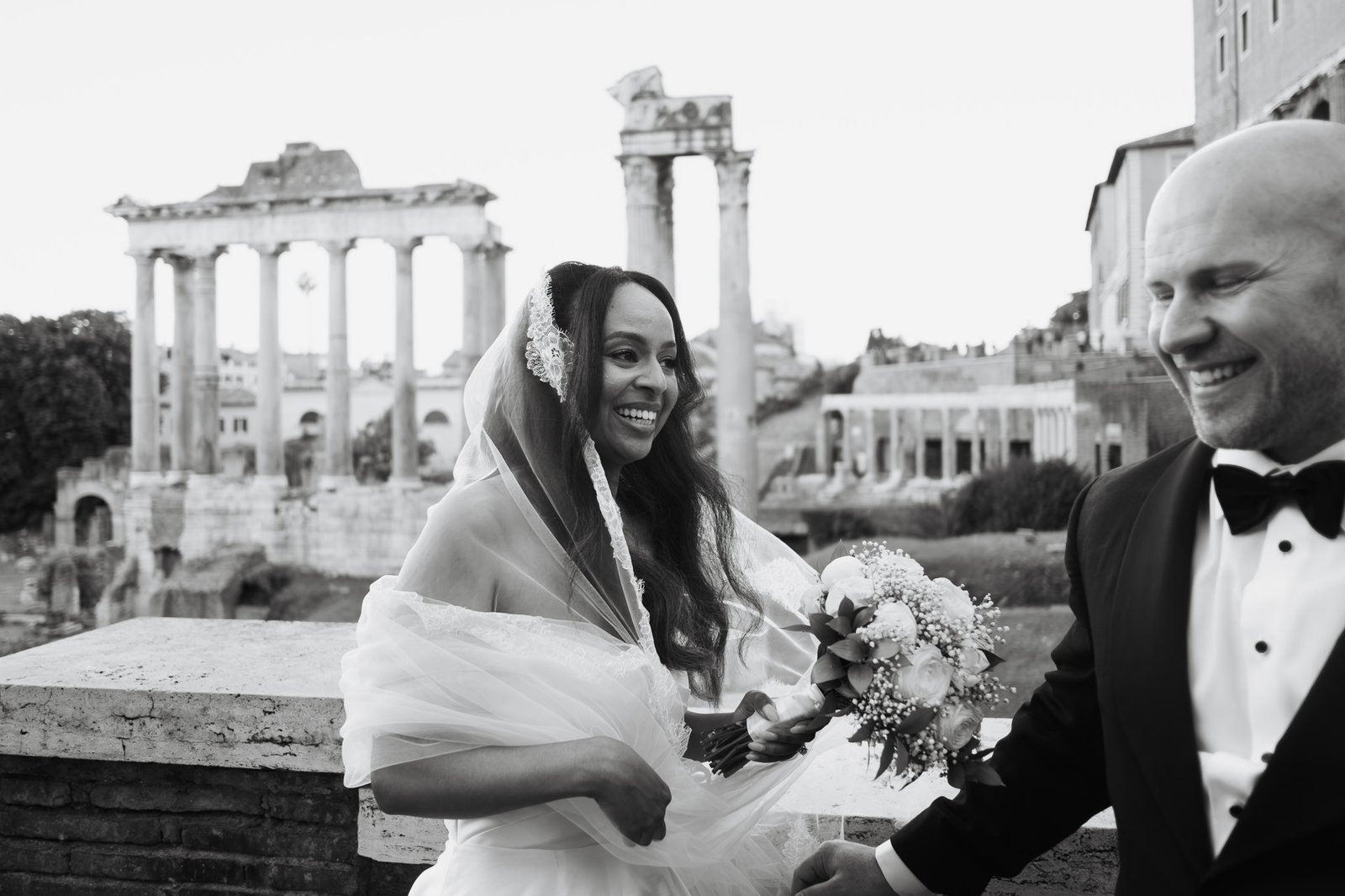
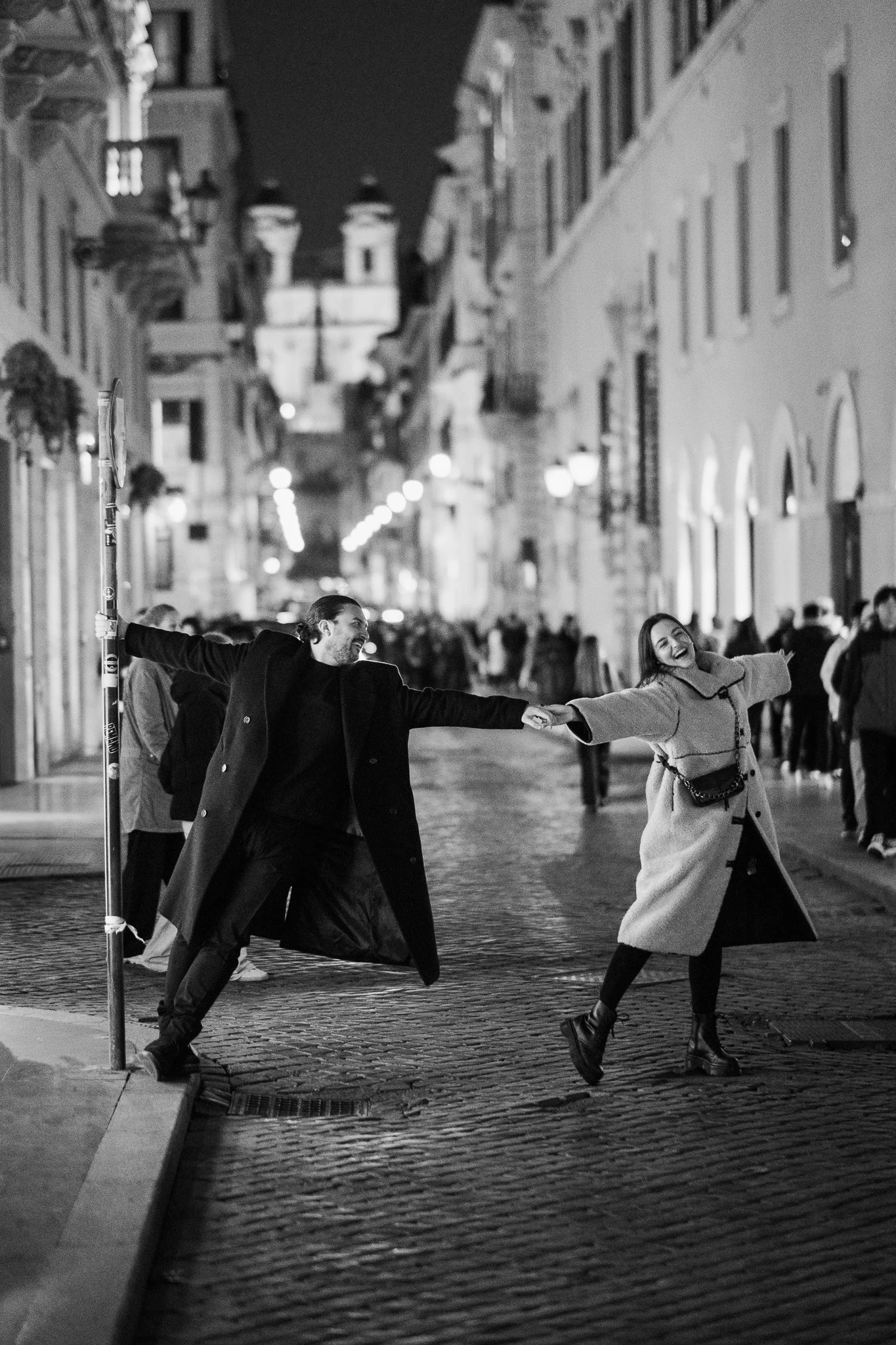
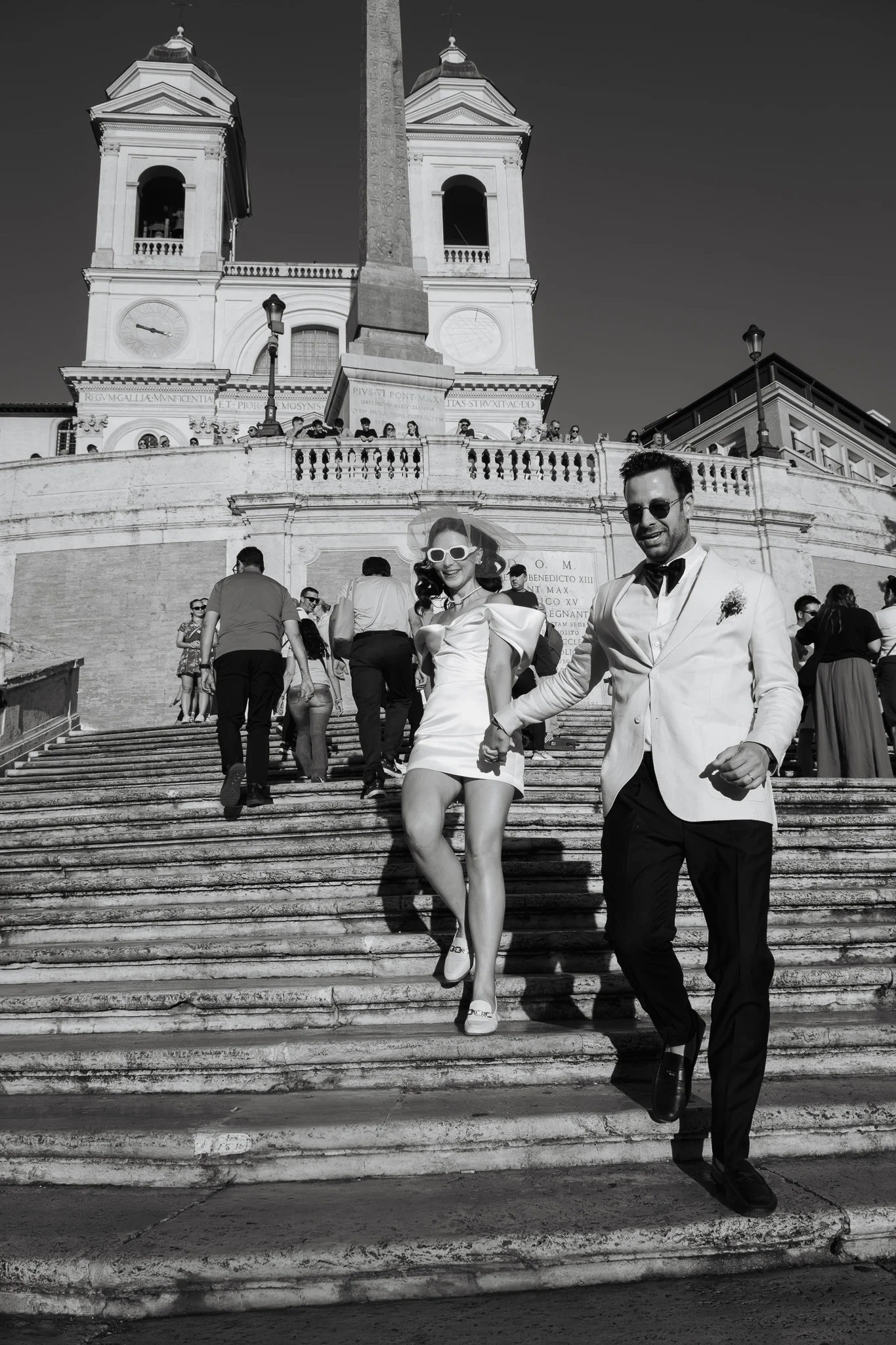
Rome is theatrical, chaotic, intimate and ancient at the same time. For elopements and small weddings, it offers a beautiful contrast between monumental history and everyday life. A couple walking through Monti, a quiet moment near Trastevere, a ceremony followed by espresso, a dinner in a small restaurant. Rome is full of cinematic possibilities without needing to become too polished.
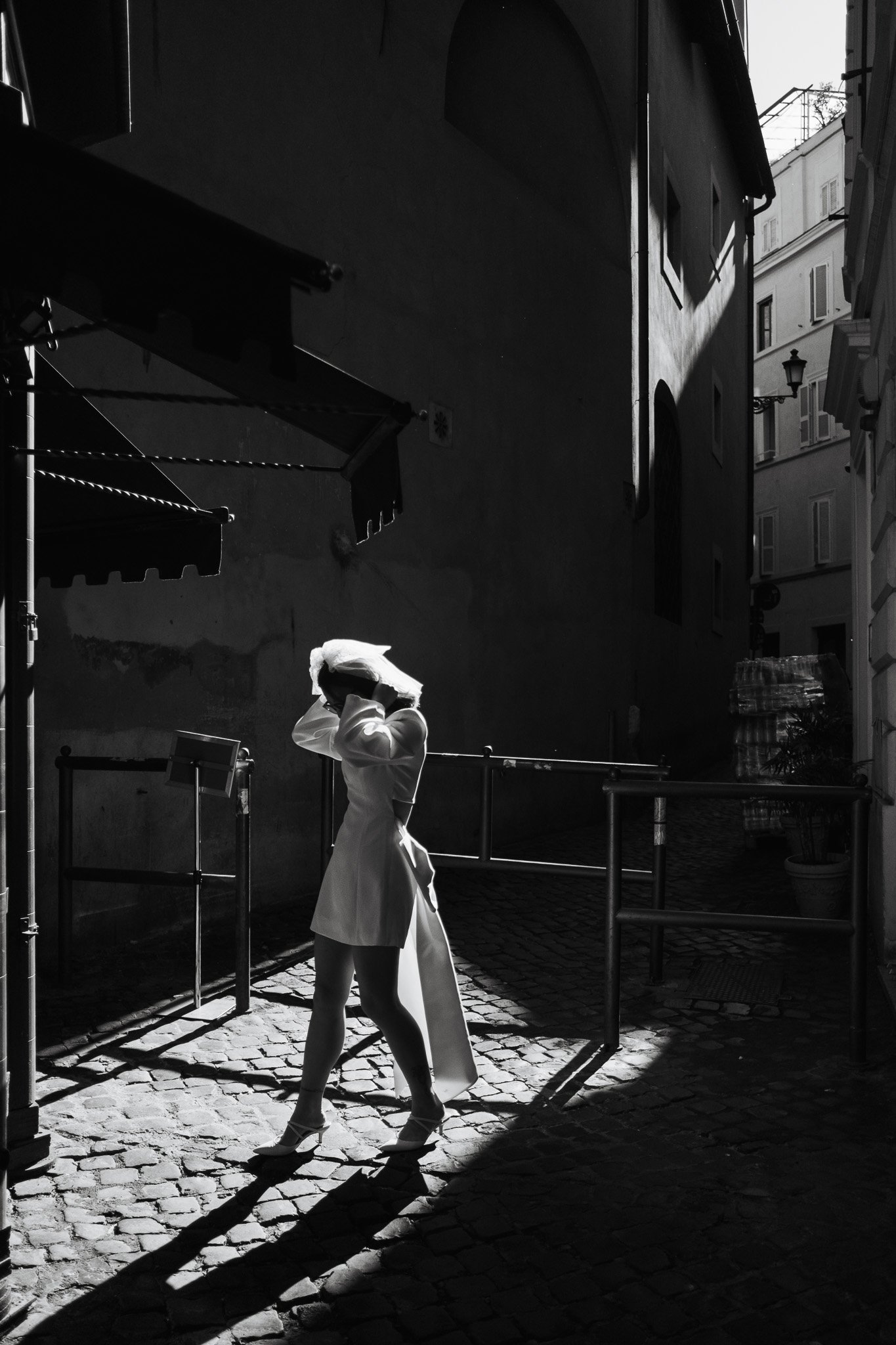
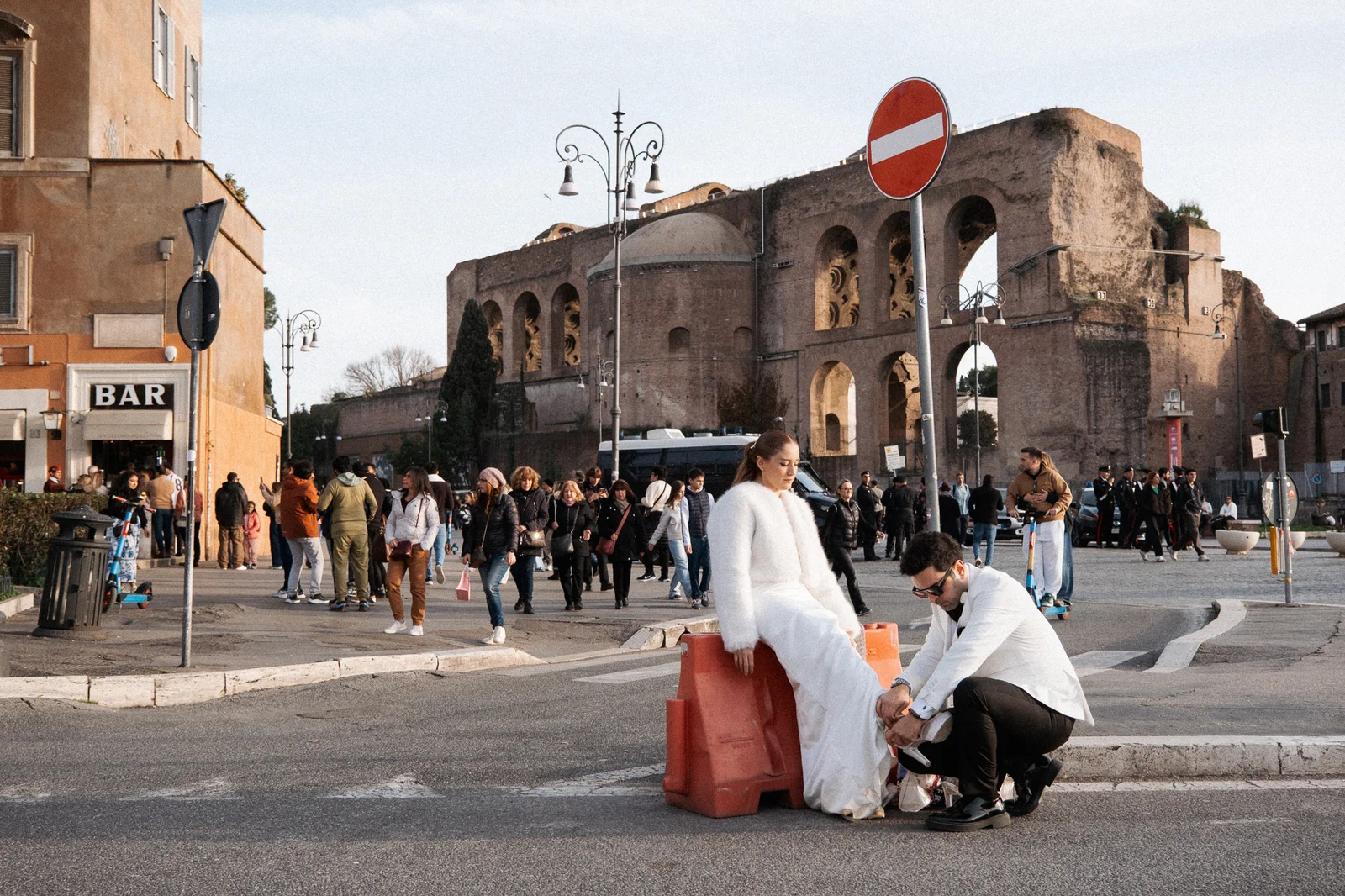
For documentary wedding photography, Rome works beautifully because it never feels completely controlled. There is always a scooter passing, a waiter watching, a shadow moving across an old wall, someone applauding from a balcony. The city becomes part of the story without asking for permission.
Tuscany
Tuscany has a slower rhythm. The light is softer, the spaces are wider, and the landscape naturally invites silence. For documentary wedding photography, Tuscany works beautifully because the day often unfolds between villas, vineyards, long tables and golden evening light. It is elegant without needing to shout.
But Tuscany is not only Florence, Siena and Val d’Orcia. Places like Lucca, Arezzo, Maremma and the quieter countryside around them can offer a more intimate version of the region. Less postcard, more atmosphere. Less performance, more space to breathe.
Sicily
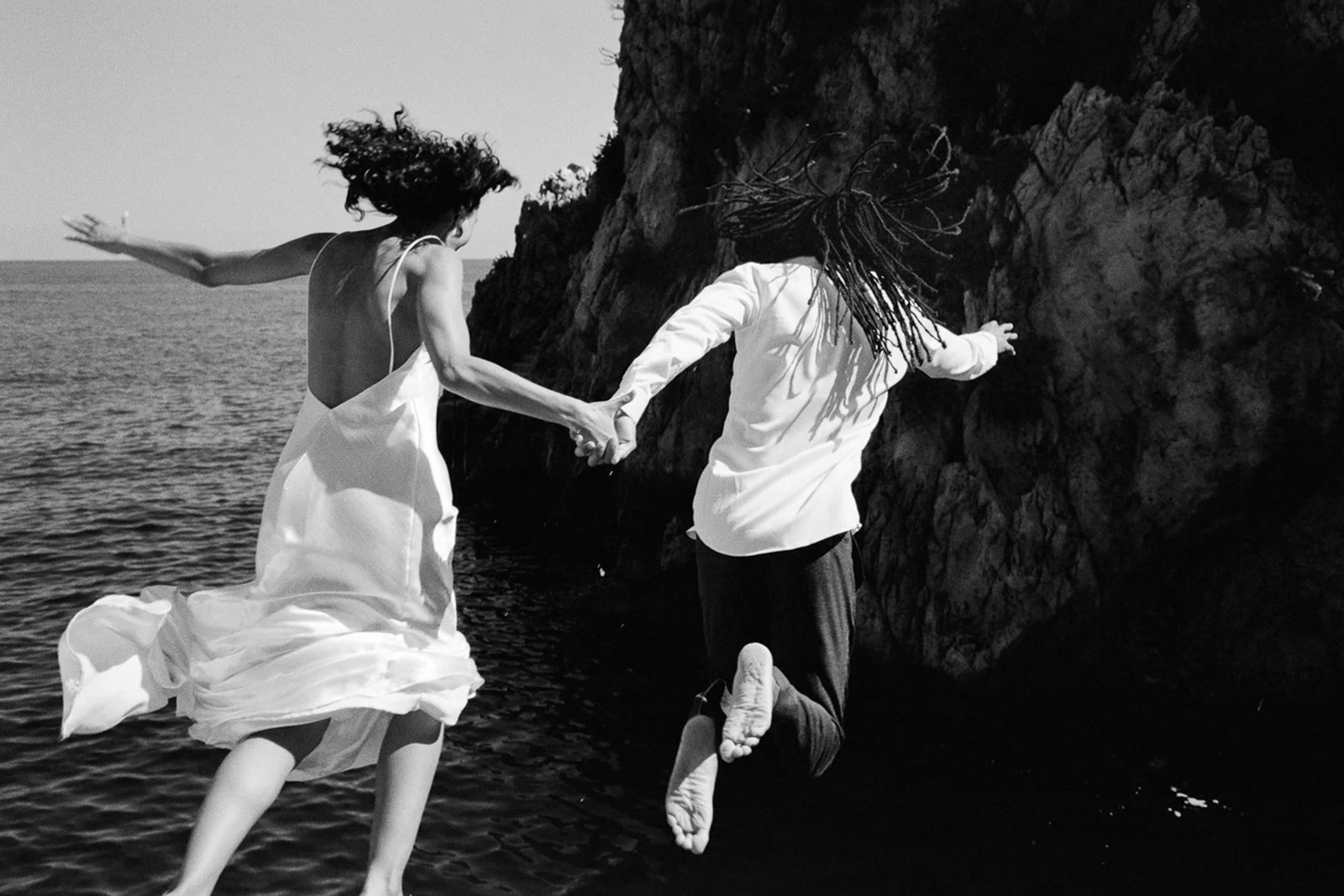
Sicily is emotion, texture and contrast. The sea, the heat, the villages, the food, the gestures, the families. Everything feels alive. A wedding in Sicily can be deeply cinematic, but also raw and spontaneous. It is one of the places where candid wedding photography can feel especially powerful.
Beyond the classic beauty of Taormina or Palermo, I find places like Ortigia, Catania, Marsala, Salina and the smaller islands especially interesting. Sicily has a way of making a wedding feel ancient and immediate at the same time. It is never neutral. It always gives something to the photograph.
Lake Como
Lake Como is often associated with elegance, but I think its best photographic quality is atmosphere. The mountains, the water, the changing weather and the villas create a sense of drama. For documentary photography, the challenge is to keep the couple’s story human inside such a grand setting.
It can be magnificent, of course, but it needs a certain delicacy. Otherwise, the lake becomes bigger than the people. My aim would always be to bring the story back to the gestures: a hand on a boat, a dress moving in the wind, guests gathering quietly before dinner, the lake becoming a background rather than a spectacle.
Amalfi Coast and Southern Italy
The Amalfi Coast, Sorrento, Puglia and other parts of Southern Italy offer color, movement and sensuality. The light can be strong, the streets narrow, the days lively. These places are perfect for couples who want their wedding photographs to feel vibrant, warm and full of life.
But I also think couples should look beyond the most famous names. Ravello, Cilento, Agropoli, Maratea, Salento and smaller coastal villages can offer a more relaxed and personal experience. For documentary wedding photography, this matters. The less a place feels like a stage crowded with other people’s expectations, the more it can become your own story.
Umbria
Umbria is one of the most beautiful alternatives to Tuscany for couples who want countryside, history and silence without choosing the most obvious route. It has medieval towns, olive groves, stone villages, soft hills and a spiritual calm that feels different from the golden elegance of Tuscany.
Places like Spello, Assisi, Perugia, Orvieto and the countryside around them are perfect for intimate weddings and elopements. Umbria does not try to impress immediately. It reveals itself slowly. For a documentary wedding photographer, that slowness is precious.
A wedding in Umbria can feel like a long conversation rather than a production. A morning walk through a quiet village, vows on a balcony, lunch under trees, shadows on old stone, flowers in narrow streets. It is romantic, but not loud.
Puglia
Puglia has become increasingly loved by international couples, and it is easy to understand why. It offers whitewashed towns, masserie, olive trees, baroque architecture, sea light and a strong sense of place. It feels both elegant and grounded.
For documentary wedding photography, Puglia is interesting because it gives structure without becoming rigid. A masseria can hold the day beautifully: preparation, ceremony, dinner, dancing, everything unfolding in one place while the landscape remains present.
Lecce, Ostuni, Monopoli, Polignano a Mare, Martina Franca and the Salento countryside are especially rich visually. Puglia works well for couples who want warmth, food, music and a slower southern rhythm, but still want their wedding to feel refined.
Lake Garda
Lake Garda is a beautiful alternative for couples who like the atmosphere of an Italian lake but want something different from Lake Como. It has mountains, small towns, villas, lemon trees, old harbors and a slightly more relaxed rhythm.
For documentary wedding photography, Lake Garda offers a nice balance between elegance and ease. The landscape is dramatic, but not always overwhelming. Towns like Sirmione, Malcesine, Limone sul Garda and the villages around the lake can create a wedding story full of movement: boats, walks, aperitivo, wind, water, changing light.
It is a place where a wedding can feel cinematic without becoming too formal.
Le Marche
Le Marche is still one of Italy’s most underrated regions for weddings. It has rolling hills, medieval villages, vineyards, beaches, mountains and a quiet authenticity that feels very close to the idea of slow travel.
For couples who like the beauty of Tuscany but want somewhere less expected, Le Marche can be a wonderful choice. Towns like Urbino, Ascoli Piceno, Recanati and the countryside around them offer history and atmosphere without the same level of international saturation.
A documentary wedding in Le Marche could feel intimate, literary and deeply Italian. Long tables, small villages, family-style food, evening light over the hills. It is not a place that needs to perform.
Abruzzo
Abruzzo is for couples who want nature, mountains, villages and something still a little wild. It is one of the regions I find most interesting for the future of intimate weddings in Italy, especially for couples who do not want the predictable destination wedding image.
There is the Apennine landscape, the national parks, the old towns, the Trabocchi Coast, the food, the sense of space. Places like L’Aquila, Santo Stefano di Sessanio, Scanno, Sulmona and the coastline near Punta Aderci could give a wedding story a very different visual identity.
Abruzzo is not polished in the usual luxury-wedding way. That is exactly why it can be beautiful. It gives texture, silence, wind, mountains and real atmosphere.
Basilicata and Matera
Basilicata is one of the most cinematic regions in Italy. Matera, with its ancient stone houses and cave churches, already feels like a film set, but the region around it offers even more: empty roads, dramatic landscapes, small villages, southern light and a sense of mystery.
For documentary wedding photography, Basilicata is powerful because it carries history in a very physical way. Stone, dust, silence, shadow. A wedding there can feel timeless without needing decoration.
Matera is the most obvious choice, but places like Craco, Maratea and the Lucanian countryside can also create a deeply atmospheric wedding story. It is a region for couples who want something poetic, raw and unforgettable.
The Italian Riviera and Golfo dei Poeti
The Italian Riviera is often associated with Portofino and Cinque Terre, but I find the quieter side more interesting for weddings. The Golfo dei Poeti, with places like Lerici, Tellaro and Portovenere, has a literary and romantic atmosphere that feels perfect for documentary photography.
It is coastal, but softer than the Amalfi Coast. Elegant, but less theatrical. The sea, the old houses, the boats, the evening light and the history of writers and poets give it a very particular charm.
For couples who want a seaside wedding in Italy without choosing the most crowded coastline, this area can be a beautiful alternative.
Lake Orta
Lake Orta is a quieter, more intimate alternative to the famous northern lakes. It has a delicate, almost secretive atmosphere. The village of Orta San Giulio, the small island, the narrow streets and the calm water create a sense of stillness that works beautifully for elopements and intimate weddings.
For documentary wedding photography, Lake Orta is less about grandeur and more about mood. It is romantic in a quiet way. A couple walking by the lake, a boat ride to the island, dinner in a small restaurant, mist or soft evening light on the water.
It is a place for couples who do not need the loudest backdrop.
Trieste and Friuli Venezia Giulia
Trieste is one of the most fascinating alternatives for couples who want a city wedding in Italy but not the usual Rome-Florence-Venice route. It has the Adriatic Sea, Central European architecture, literary cafés, wind, elegance and melancholy.
There is something very cinematic about Trieste. It does not look like the Italy most people imagine, and that is exactly its strength. A wedding or elopement there could feel urban, poetic and slightly nostalgic.
Friuli Venezia Giulia also offers vineyards, mountains, castles and seaside towns within a relatively compact area. For couples who want a sophisticated but less obvious Italian wedding destination, it has a lot of potential.
Final Thought on Choosing a Place
The best place for documentary wedding photography in Italy is not always the most famous one.
Sometimes it is the place where you feel less observed. The place where you can walk slowly. The place where your guests can sit around a table for hours. The place where the landscape supports the story without becoming the story.
Rome, Tuscany, Sicily, Lake Como and the Amalfi Coast will always be beautiful. But Italy is much larger, stranger and more generous than its most famous postcards.
Sometimes the most meaningful wedding photographs happen in the less obvious places.
Is Documentary Wedding Photography Right for You?
Documentary wedding photography might be right for you if you care more about real emotion than perfect posing.
It might be right for you if you want to remember the day as it truly felt, not as a styled version of itself.
It might be right for you if you love cinema, literature, street photography, travel, old cities, imperfect beauty, 35mm film, long dinners, honest laughter and photographs that do not explain everything at once.
It might be right for you if you do not want to spend your wedding day performing happiness for the camera.
You want to live it.
And then remember it.
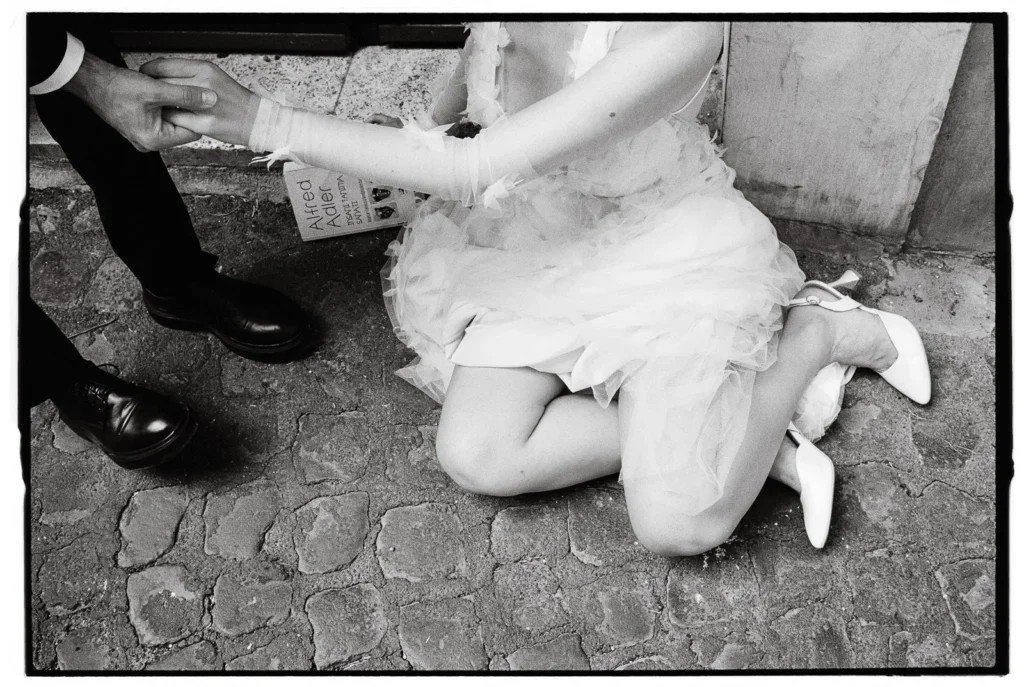
A Wedding Day Is Not a Photoshoot
This is something I often repeat because I deeply believe it.
Your wedding day is not a photoshoot.
It is a gathering of people, places, histories, families, friends, memories and future memories. It is one of those rare days when time behaves strangely. Some hours pass too quickly. Some moments seem to stay forever.
Joan Didion wrote, “We tell ourselves stories in order to live.”
Wedding photographs become part of that story. Not because they make the day more beautiful than it was, but because they help you return to it. They give shape to something that otherwise might become only a blur of emotions.
My responsibility as a photographer is not to control your story.
It is to notice it.
Let’s Create Something Honest Together
If you are looking for a documentary wedding photographer in Italy, my approach is simple: I want to photograph your day with honesty, elegance and emotional attention.
I am based in Rome and available for weddings, elopements and intimate celebrations across Italy, including Tuscany, Sicily, Lake Como, the Amalfi Coast, the Dolomites, Florence, Venice and beyond.
I work with couples who want candid, natural and unstaged wedding photography. Couples who care about atmosphere. Couples who want to feel relaxed in front of the camera. Couples who want their photographs to feel like memory, not performance.
If this sounds close to what you are imagining, I would be happy to hear your story.
Tell me where you are getting married, what kind of experience you have in mind, and what you want to remember most.
I will take care of the rest with my camera.
How Does It Work?
- Contact me and then let’s schedule a call so we get to know each other by talking about your needs and my services in detail.
- Once we agree on terms I send you a confirmation email and ask you to pay the first half of the total agreed amount so I fix the date.
- Let the fun begin on your special day.